Questions
- What is cDNA?
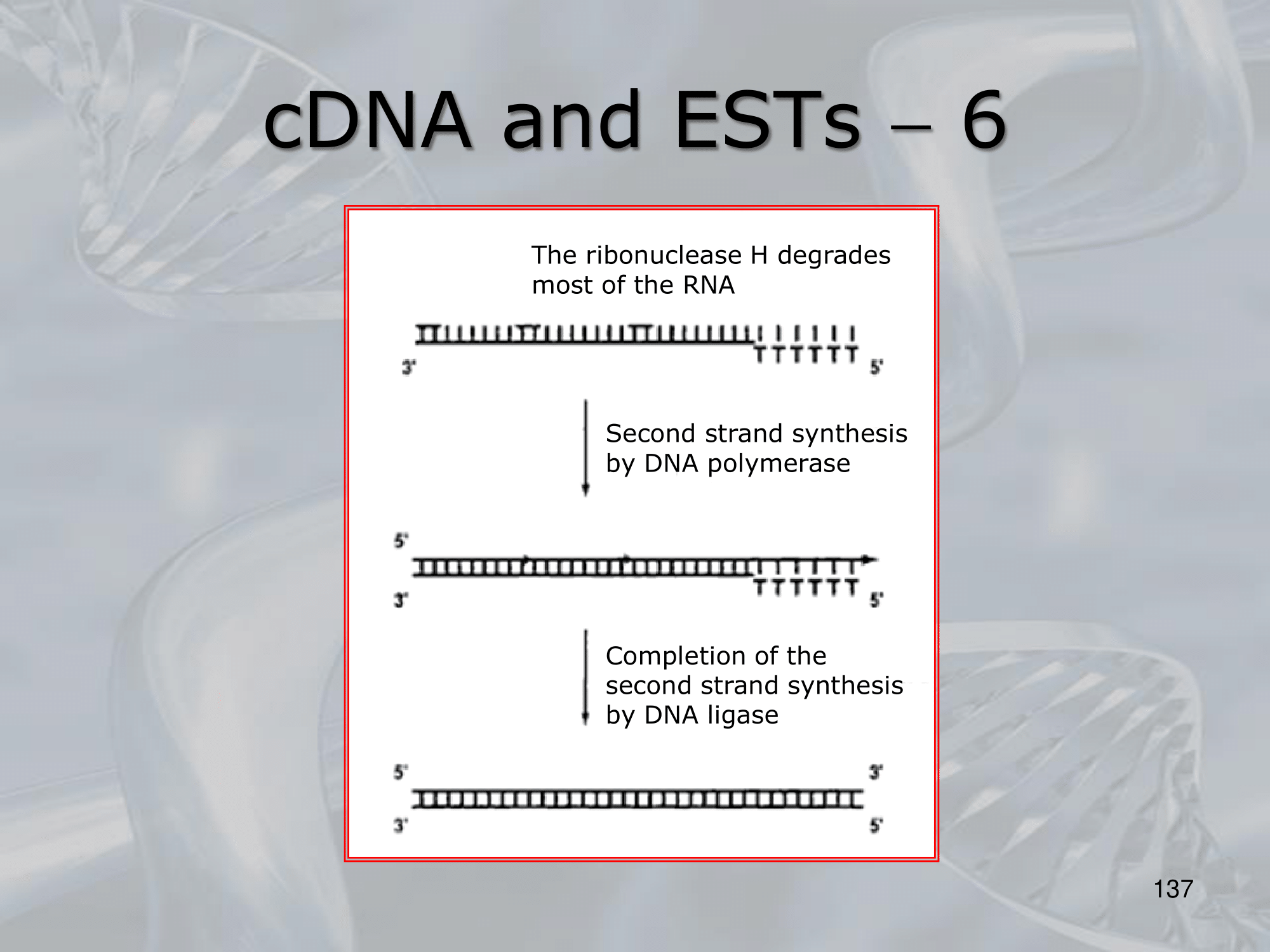
- ==cDNA stands for “complementary DNA,” which is a type of DNA molecule that is synthesized from a messenger RNA (mRNA) template through the action of the enzyme reverse transcriptase==.
cDNA is complementary to the mRNA molecule from which it is derived, meaning that it has the same nucleotide sequence as the mRNA molecule, but with thymine (T) replacing uracil (U). - The synthesis of cDNA is an important technique in molecular biology and genetic research because it allows the study of gene expression patterns and the cloning of genes of interest.
By synthesizing cDNA from mRNA molecules, researchers can obtain a copy of the DNA sequence that is being transcribed from a particular gene at a particular time or in a particular tissue or cell type.
This information can then be used to study the regulation of gene expression and to identify potential targets for drug development. - cDNA is typically synthesized in the laboratory using mRNA molecules that have been extracted from cells or tissues of interest.
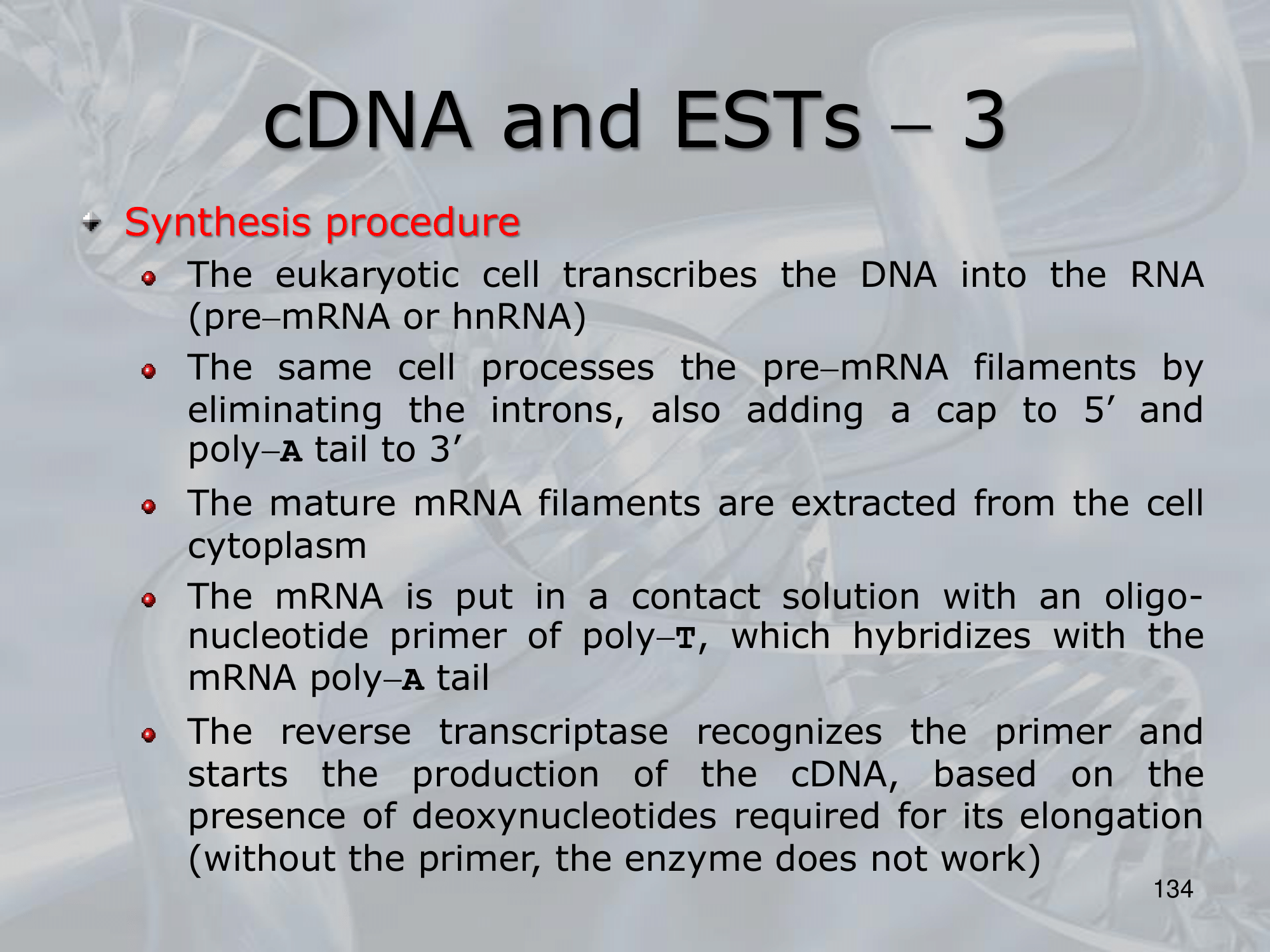
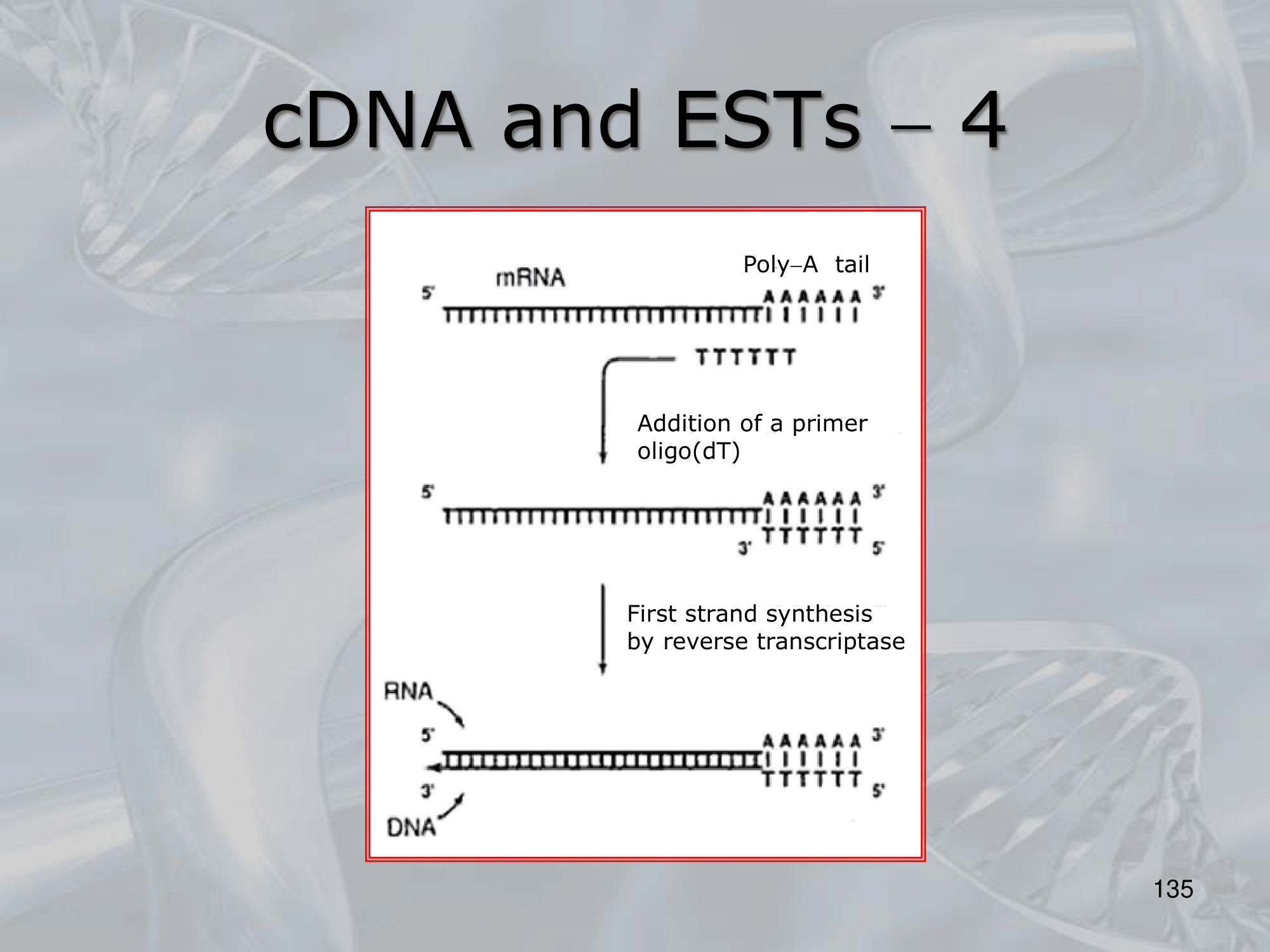
The mRNA is first isolated and then used as a template for reverse transcription, which produces a single-stranded cDNA molecule.
This cDNA molecule is then used as a template for PCR amplification or cloned into a plasmid vector for further study. - Overall, cDNA is a valuable tool in molecular biology and genetic research, and its synthesis and analysis have led to numerous advances in our understanding of gene expression and regulation.
- ==cDNA stands for “complementary DNA,” which is a type of DNA molecule that is synthesized from a messenger RNA (mRNA) template through the action of the enzyme reverse transcriptase==.
- What are ESTs?
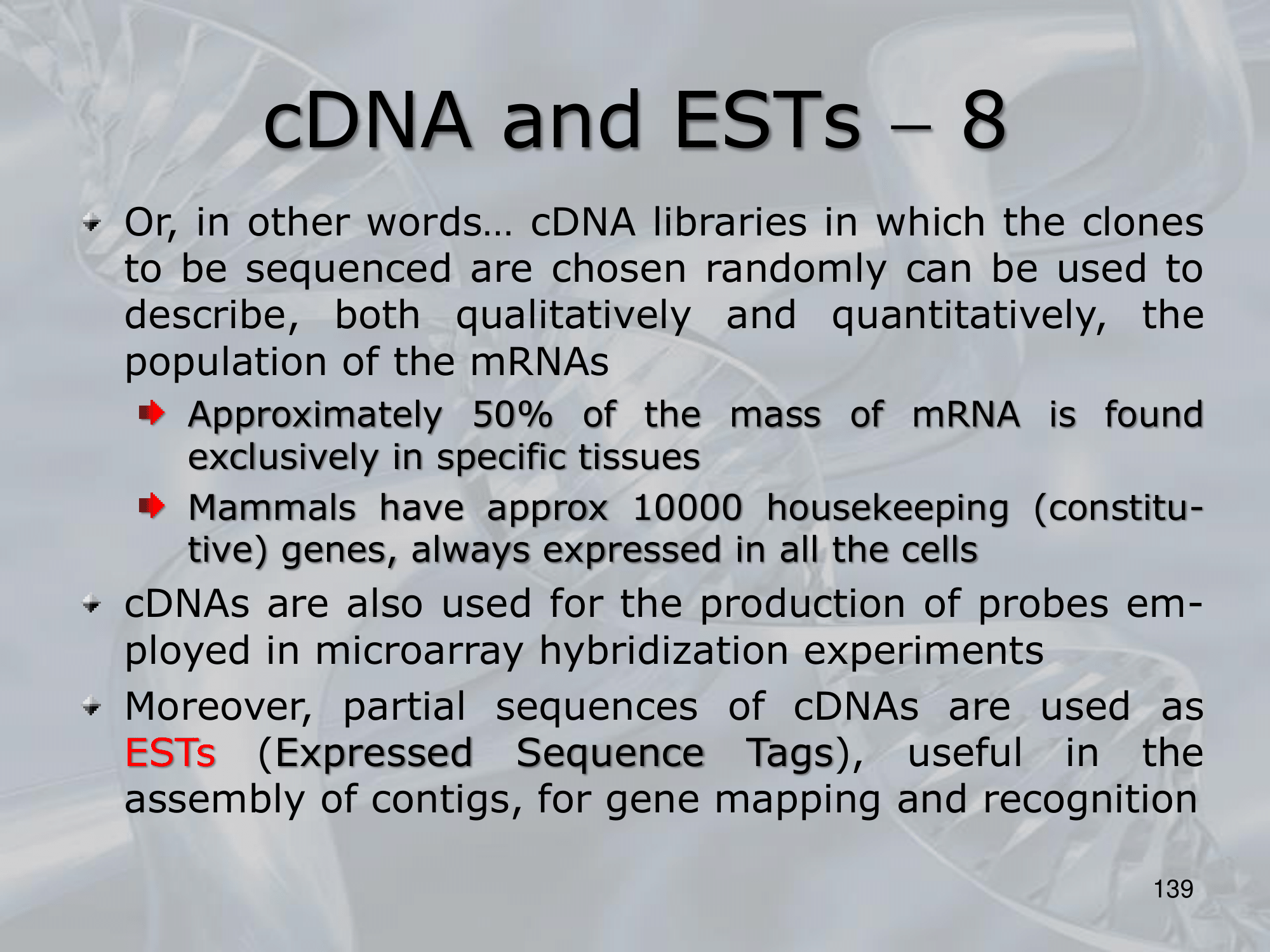
- ==ESTs stands for “Expressed Sequence Tags,” which are short DNA sequences that are generated from the partial sequencing of cDNA molecules==.
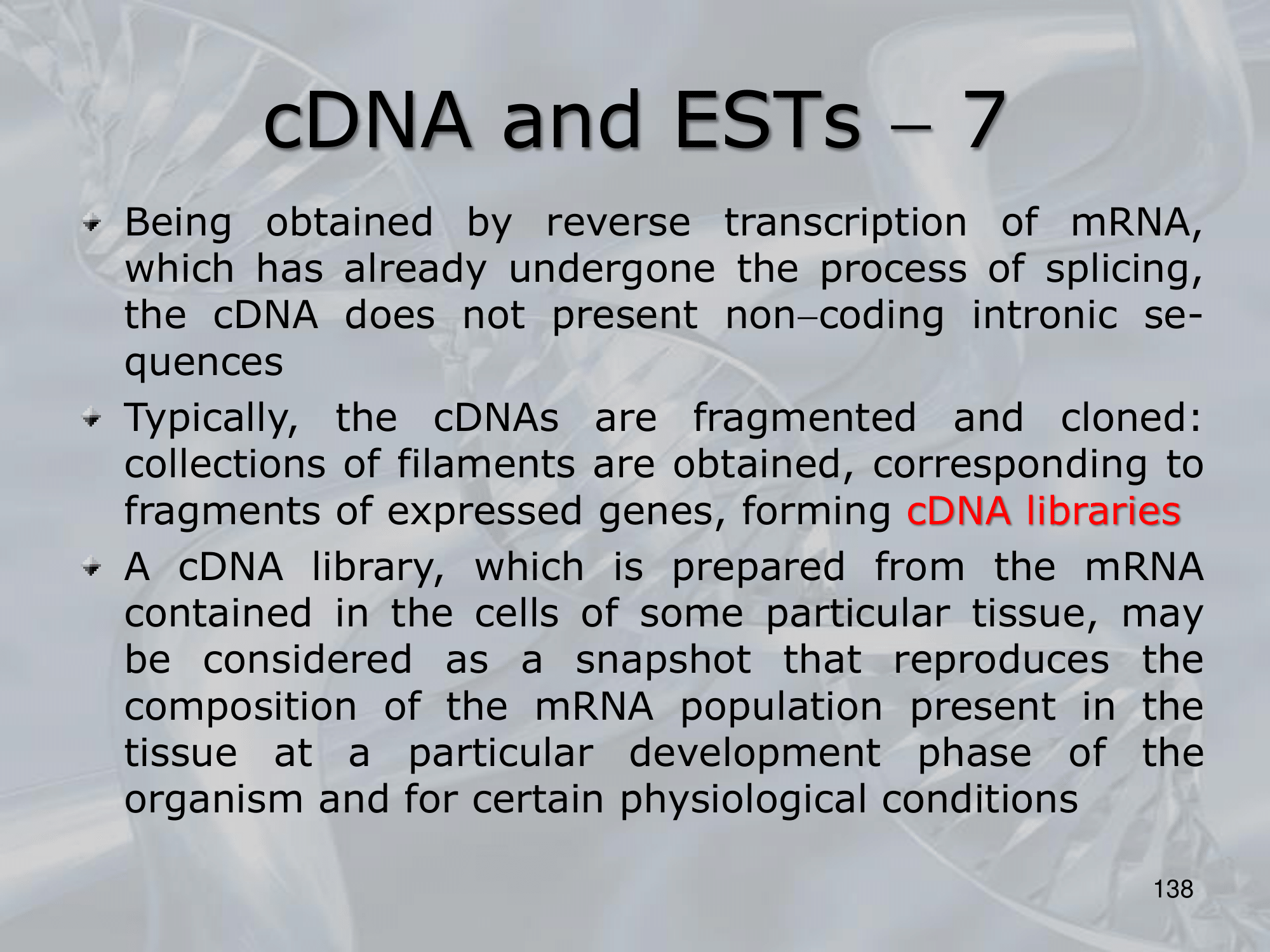
ESTs are important tools in molecular biology and genetics research because they can be used to identify and analyze genes that are actively transcribed and expressed in a particular tissue or cell type. - The process of generating ESTs typically involves the construction of a cDNA library from mRNA molecules that have been extracted from a particular tissue or cell type.
The cDNA library is then randomly sequenced to generate short sequences of 200-500 nucleotides.
These sequences are then compared to sequences in public databases to identify the genes and proteins they correspond to. - ESTs have several advantages over other methods of gene discovery, including their low cost, high throughput, and ability to identify genes that are expressed at low levels or in rare cell types.
They have been used extensively in the identification of novel genes and alternative splicing variants, and have also been used in the study of gene expression patterns in development, disease, and evolution. - Overall, ESTs are a valuable tool in molecular biology and genetics research, and their use has led to numerous advances in our understanding of gene expression and regulation.
- ==ESTs stands for “Expressed Sequence Tags,” which are short DNA sequences that are generated from the partial sequencing of cDNA molecules==.
- What is a Contig?
- A contig is a contiguous stretch of DNA sequence that is assembled from overlapping sequence reads.
In genome sequencing projects, the DNA of an organism is first broken into many small fragments, which are then sequenced individually.
These sequence reads are then aligned and overlapped to generate longer sequences, which are further assembled into contigs. - ==Contigs are important in genome sequencing and assembly because they represent a contiguous stretch of DNA sequence that can be used to identify genes, regulatory elements, and other functional elements within the genome==.
By comparing the sequences of different contigs, researchers can also identify structural variations, such as insertions, deletions, and inversions, that may be important for understanding the biology of the organism. - In many genome sequencing projects, contigs are further assembled into larger units called scaffolds, which represent longer stretches of the genome and can provide additional context for the analysis of genes and other functional elements.
The assembly of contigs and scaffolds is a complex process that requires specialized software tools and careful analysis, but it is an important step in the generation of high-quality genome sequences for many organisms.
- A contig is a contiguous stretch of DNA sequence that is assembled from overlapping sequence reads.
—————————————————————
IMPORTANTE
IMPORTANTE What is cDNA? cDNA: complementary DNA Using the reverse trancriptase enzyme we create from a single mRNA strand it’s complementary DNA.
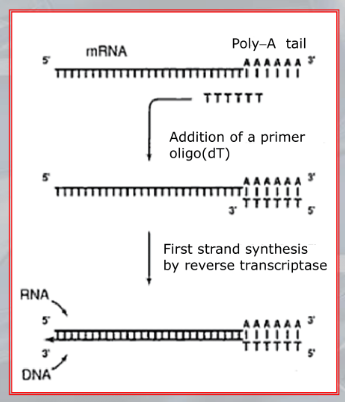
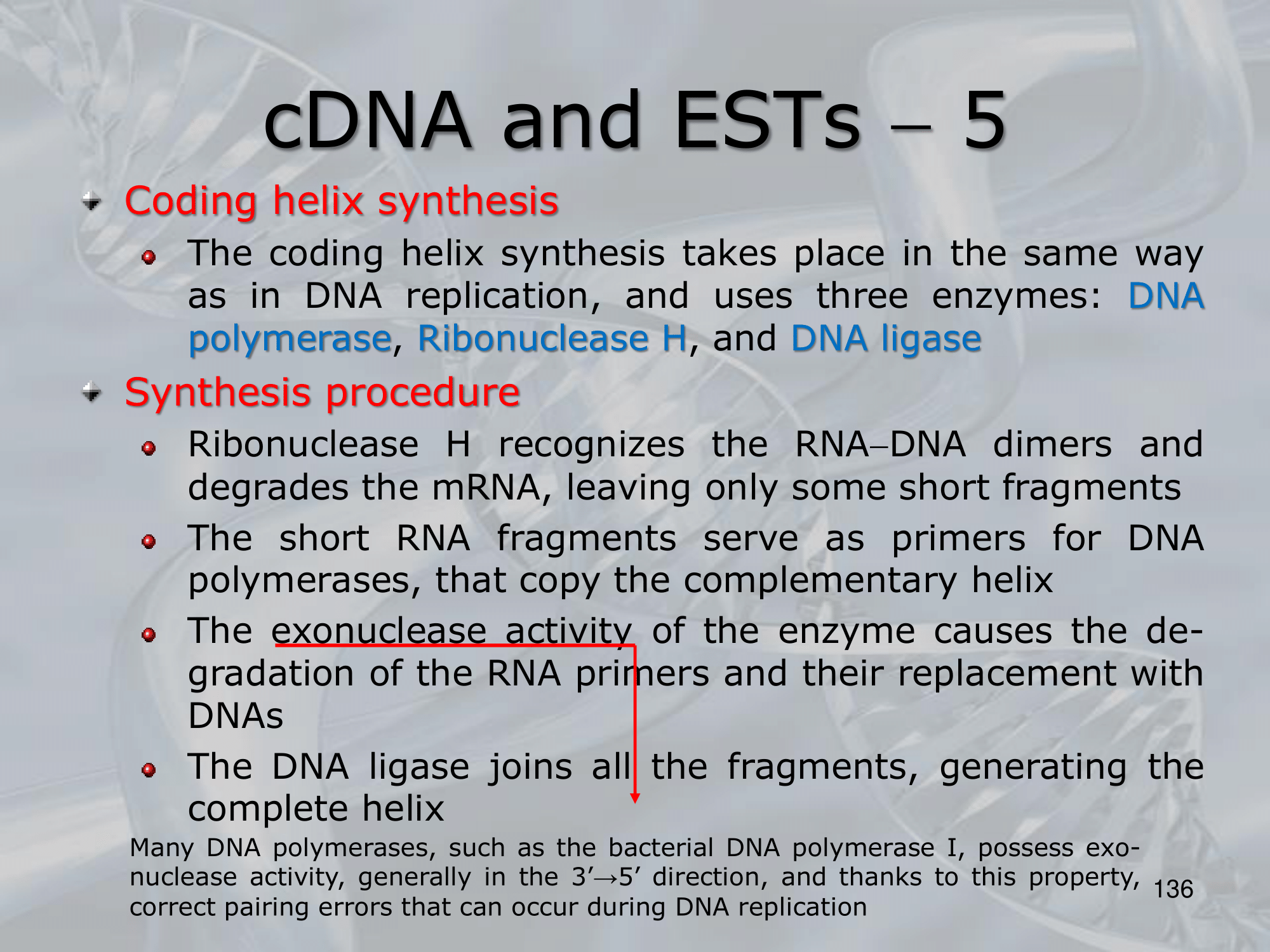
The cDNA strands are then duplicated to be studied and saved in a cDNA libabray, they are useful because we know for a fact that they are the mature transcribed code that produces a protein. Moreover, partial sequences of cDNA are used as ESTs (Expressed Sequence Tags), useful in the assembly of contigs, for gene mapping and recognition
IMPORTANTE What is a Contig? A contig (from contiguous) is a set of overlapping DNA segments that together represent a consensus region of DNA.
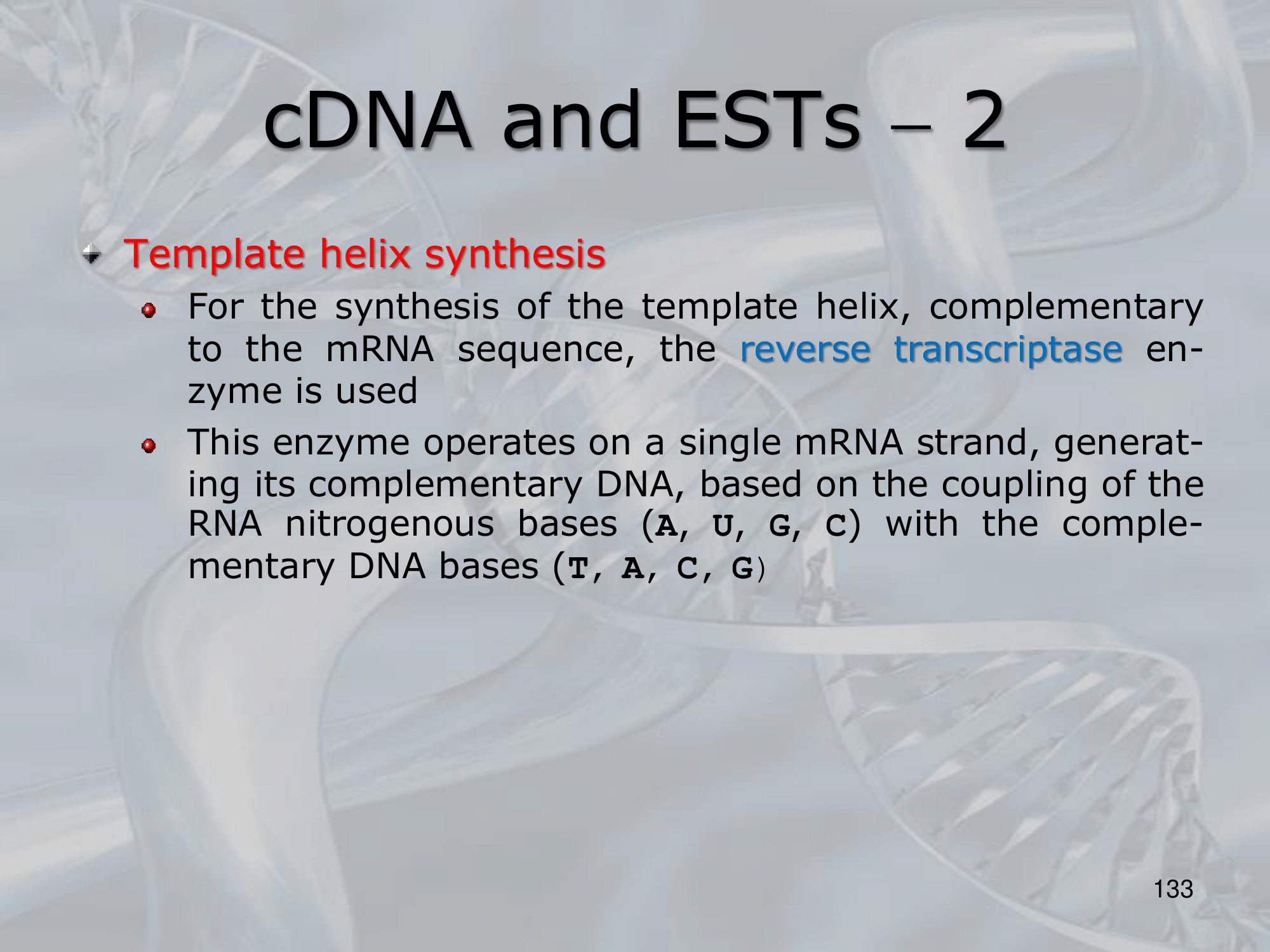
IMPORTANTE RNA nitrogenous bases: The mRNA has the four nitrogenous bases: A, U, G, C. where: U = Uracile The complementary DNA to the foru bases: T, A, C, G.
—————————————————————
Slides with Notes
IMPORTANTE What is cDNA? cDNA: complementary DNA Using the reverse trancriptase enzyme we create from a single mRNA strand it’s complementary DNA.
IMPORTANTE What is a Contig? A contig (from contiguous) is a set of overlapping DNA segments that together represent a consensus region of DNA.
IMPORTANTE RNA nitrogenous bases: The mRNA has the four nitrogenous bases: A, U, G, C. where: U = Uracile The complementary DNA to the foru bases: T, A, C, G.