Questions
- What are Amino Acids?
- ==Amino acids are the building blocks of proteins, which are essential macromolecules found in all living organisms.
There are 20 different amino acids that make up proteins, each with a unique chemical structure and side chain==. - Amino acids consist of a central carbon atom (known as the alpha carbon) bonded to an amino group (-NH2), a carboxyl group (-COOH), a hydrogen atom (-H), and a variable R-group (or side chain) that gives each amino acid its unique properties.
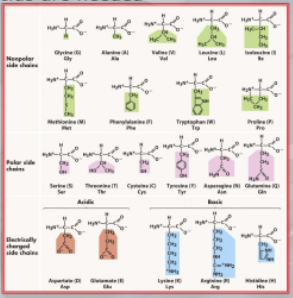
- The 20 different amino acids can be classified into several categories based on the properties of their R-groups.
For example, some amino acids have hydrophobic R-groups that tend to be buried in the interior of proteins, while others have hydrophilic R-groups that tend to be exposed on the surface of proteins. - ==During protein synthesis, amino acids are linked together by peptide bonds to form a linear chain called a polypeptide.
The sequence of amino acids in a polypeptide chain determines the three-dimensional structure of the protein and its specific functions==.
Defects or alterations in amino acid sequences can lead to changes in protein structure and function, which can have important consequences for cellular processes and human health.
- ==Amino acids are the building blocks of proteins, which are essential macromolecules found in all living organisms.
- What is degeneracy of amino acids?
- The degeneracy of amino acids refers to the fact that most amino acids can be encoded by more than one codon in the genetic code.
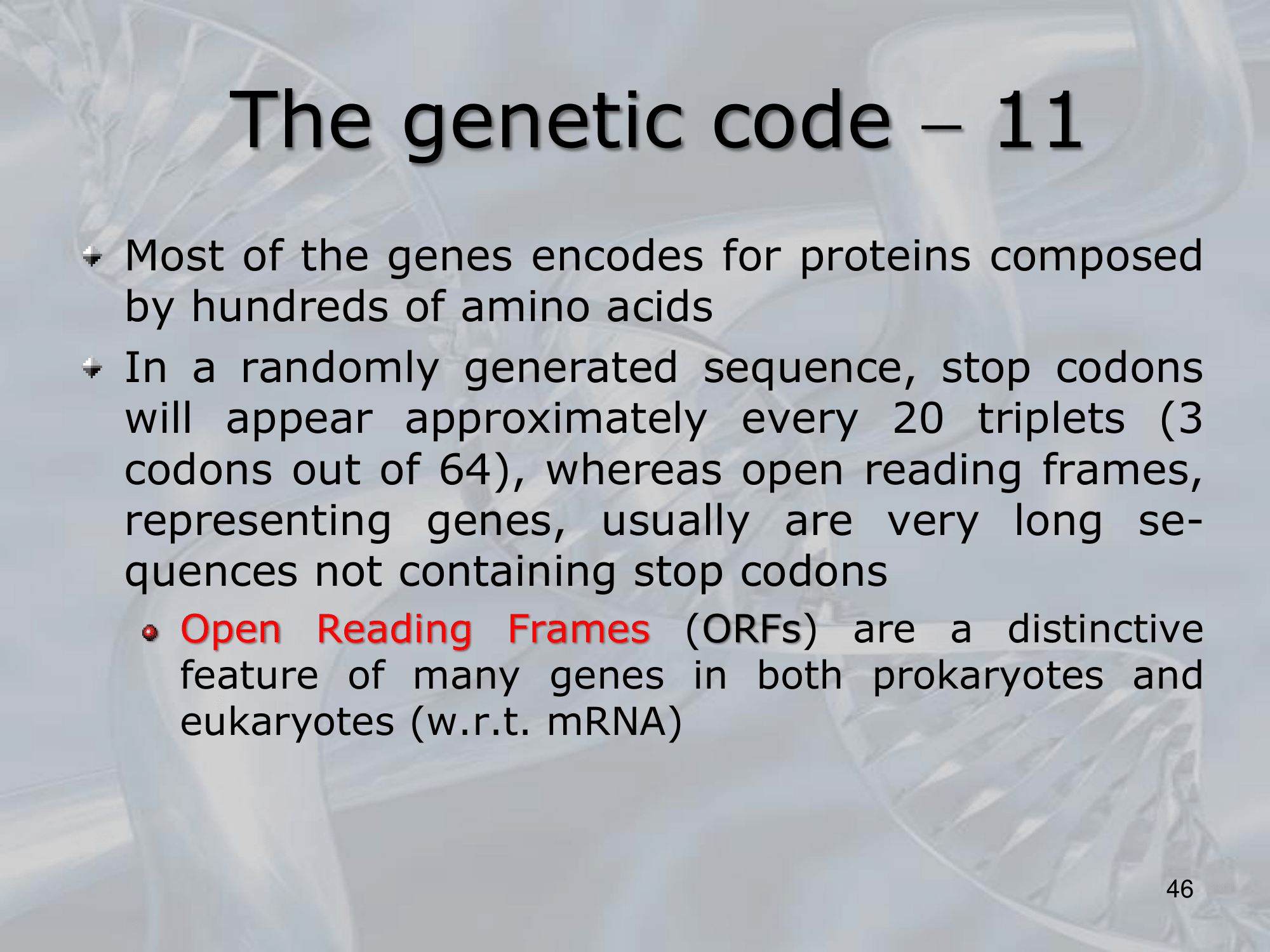
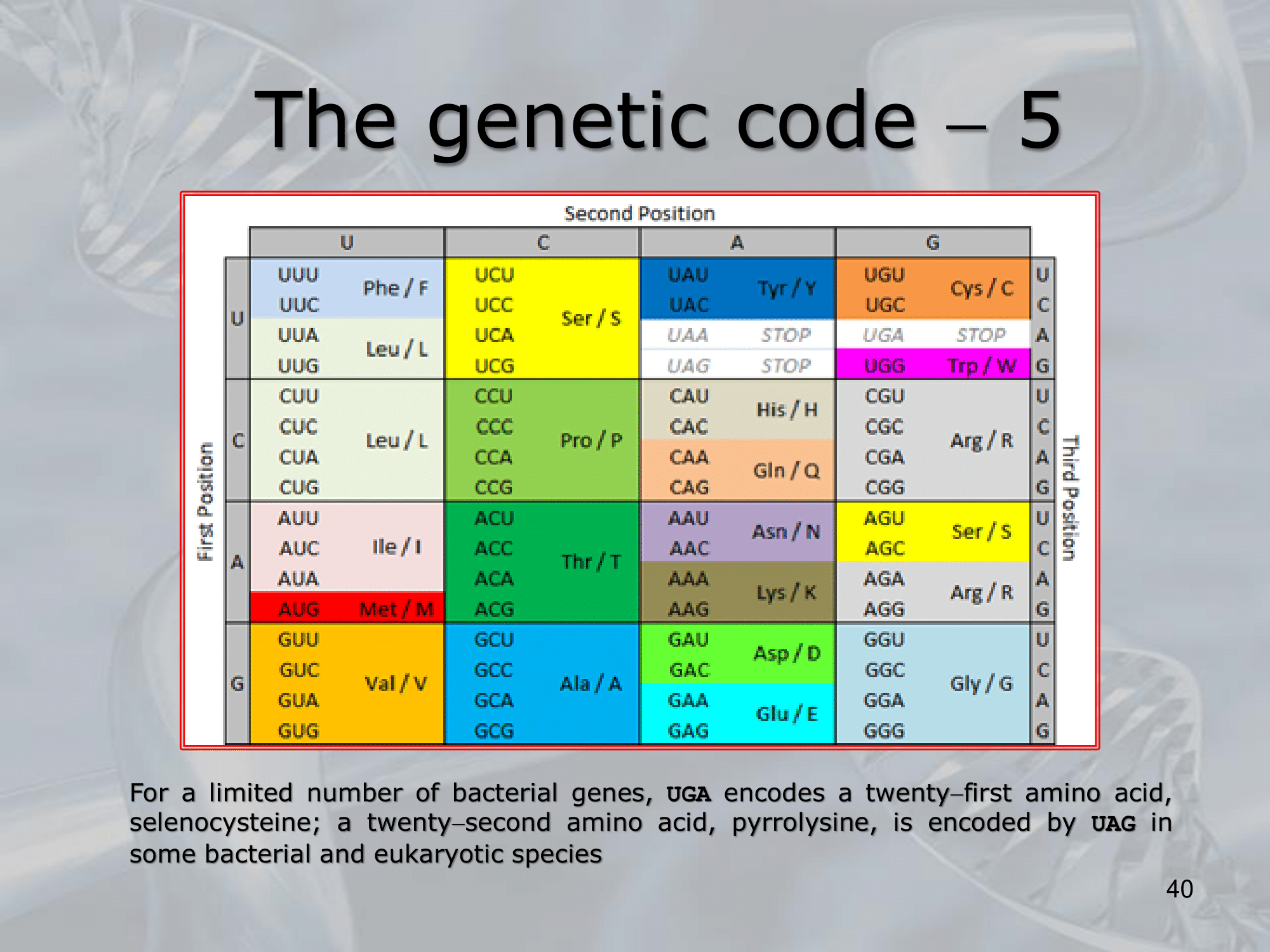
There are 20 different amino acids that make up proteins, but there are 64 possible codons in the genetic code (61 sense codons that encode amino acids and three stop codons).
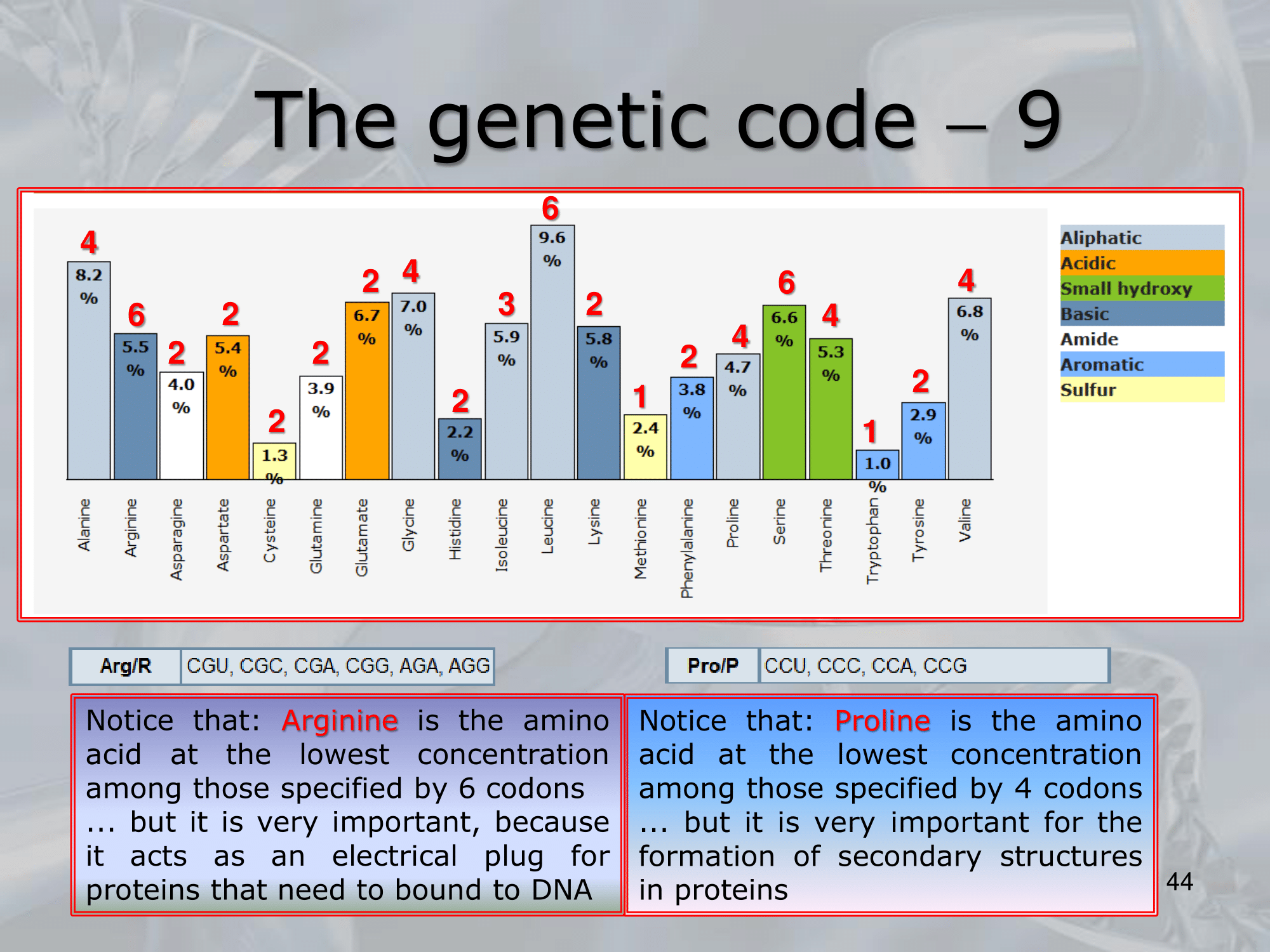
This means that multiple codons can code for the same amino acid, and some amino acids are encoded by as many as six different codons. - For example, the amino acid leucine is encoded by six different codons: UUA, UUG, CUU, CUC, CUA, and CUG.
Similarly, arginine is encoded by six codons: CGU, CGC, CGA, CGG, AGA, and AGG. - The degeneracy of the genetic code is thought to have evolved as a mechanism to buffer against mutations in the DNA sequence.
Because multiple codons can code for the same amino acid, a mutation in a single nucleotide may not always result in a change in the amino acid sequence of the protein.
This allows for a certain degree of redundancy in the genetic code, which can be advantageous for maintaining protein function and stability.
- The degeneracy of amino acids refers to the fact that most amino acids can be encoded by more than one codon in the genetic code.
- What is an open reading frame?
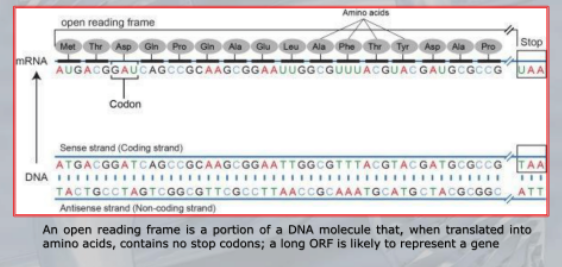
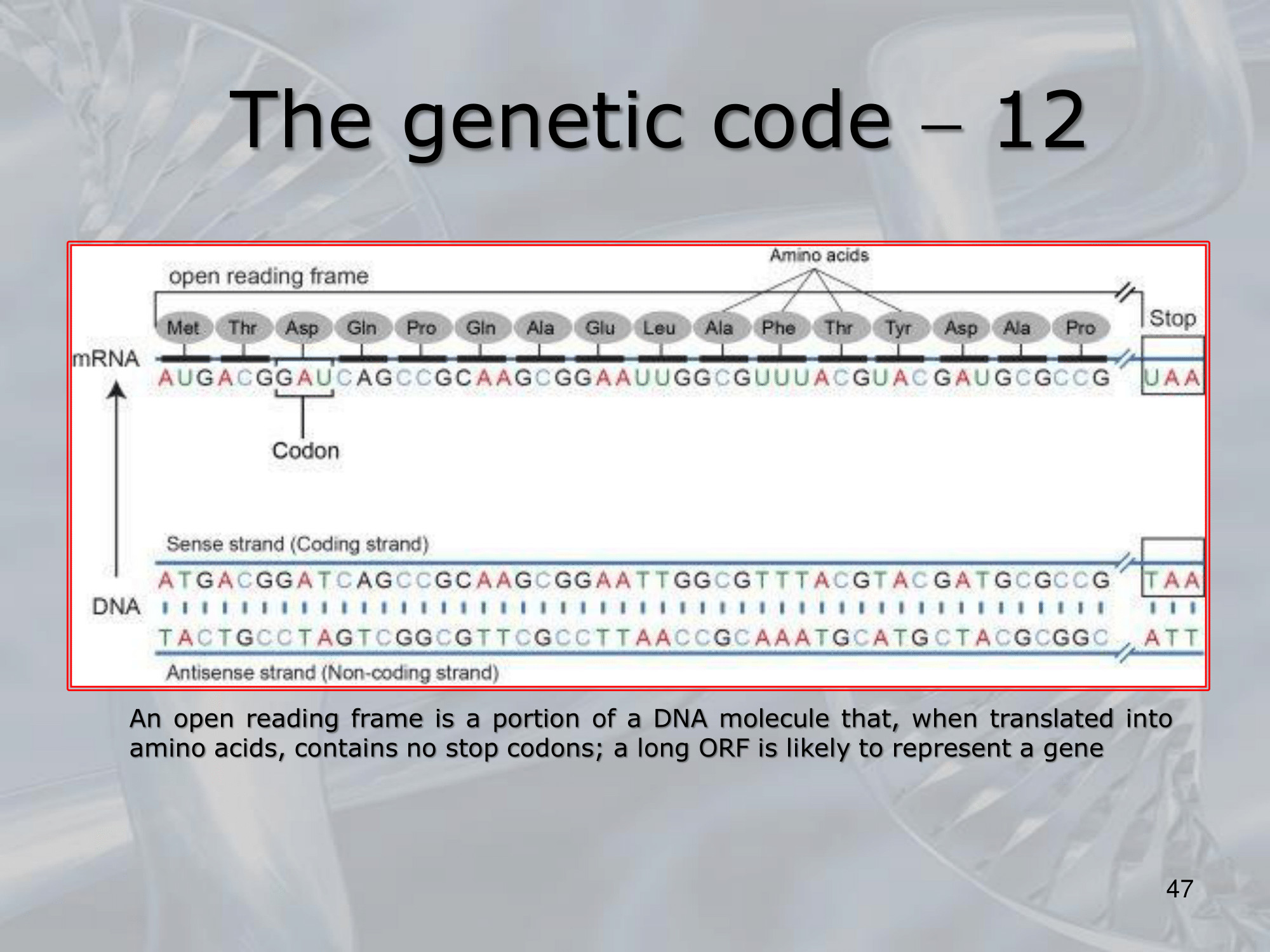
- ==An open reading frame (ORF) is a sequence of nucleotides in DNA or RNA that has the potential to be translated into a protein.
Specifically, an ORF begins with a start codon (usually AUG, which codes for methionine) and ends with a stop codon (UAA, UAG, or UGA)==. - To be considered a potential ORF, the sequence between the start and stop codons must be long enough to encode a functional protein, usually at least 100 to 300 nucleotides in length.
The term "open" refers to the fact that the reading frame is not interrupted by a stop codon in the middle, allowing for continuous translation of the nucleotide sequence into a protein. - ORFs are often identified using computational tools that scan DNA or RNA sequences for potential start and stop codons and analyze the length and quality of the intervening sequence.
Identifying ORFs can be a useful first step in analyzing a genomic or transcriptomic sequence, as it can provide clues about the potential protein-coding capacity of the sequence and guide further experimental analyses.
- ==An open reading frame (ORF) is a sequence of nucleotides in DNA or RNA that has the potential to be translated into a protein.
IMPORTANTE
IMPORTANTE Amino Acids While nucleotides are the building block of DNA, amino acids are the building block of proteins. An amino acid is composed of an amino group (-NH), a carboxyl group (-COOH), an alpha carbon (-C) and a side chain indicated with R (which defines and distinguish each amino acid)
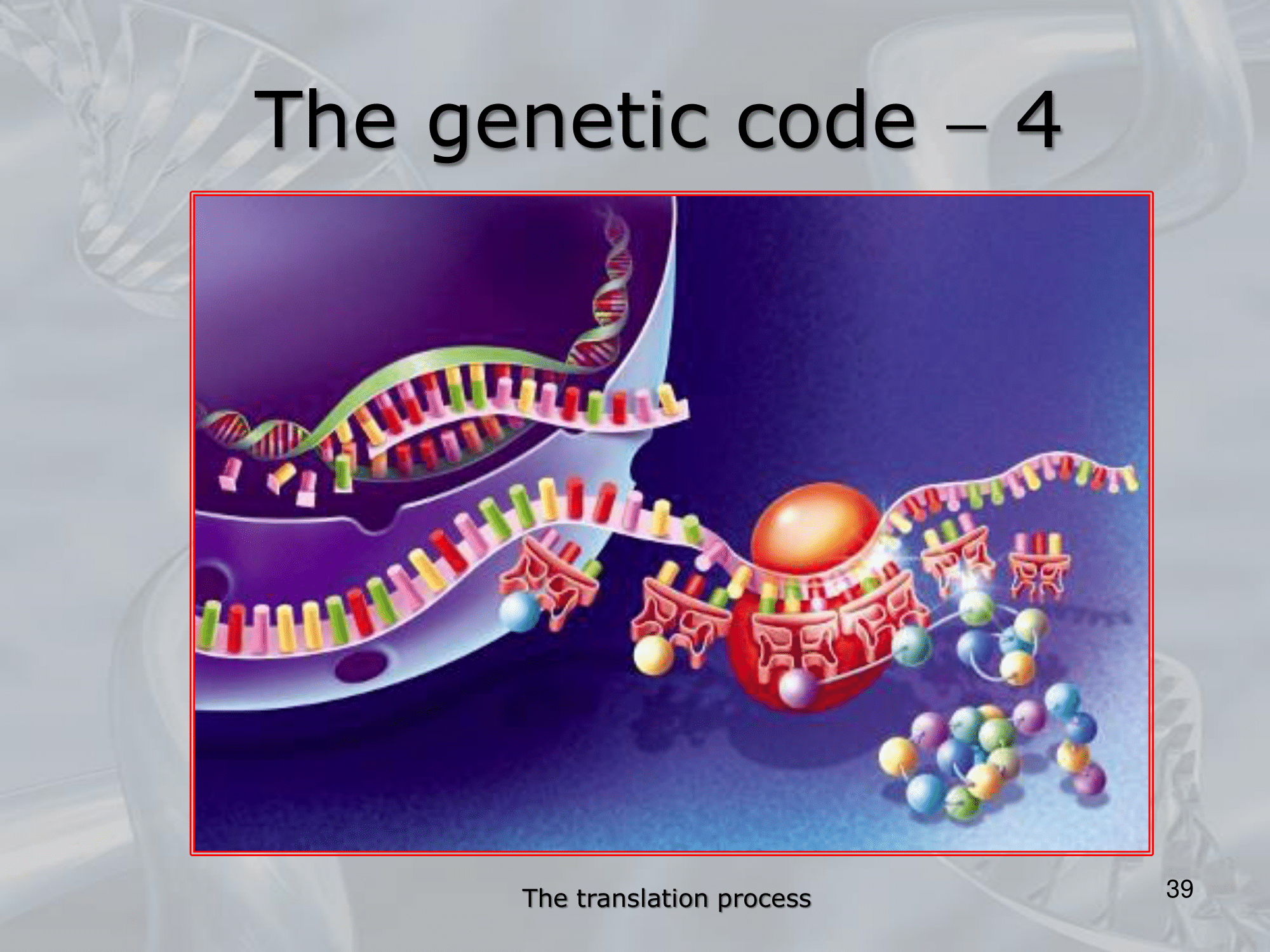
IMPORTANTE Codons To create an amino acid, we need a ribosome to translate a triplet of nucleotides (called a codon) from the RNA to create a single amino acid So 3 nucletides (a codon) ⇒ 1 amino acid.
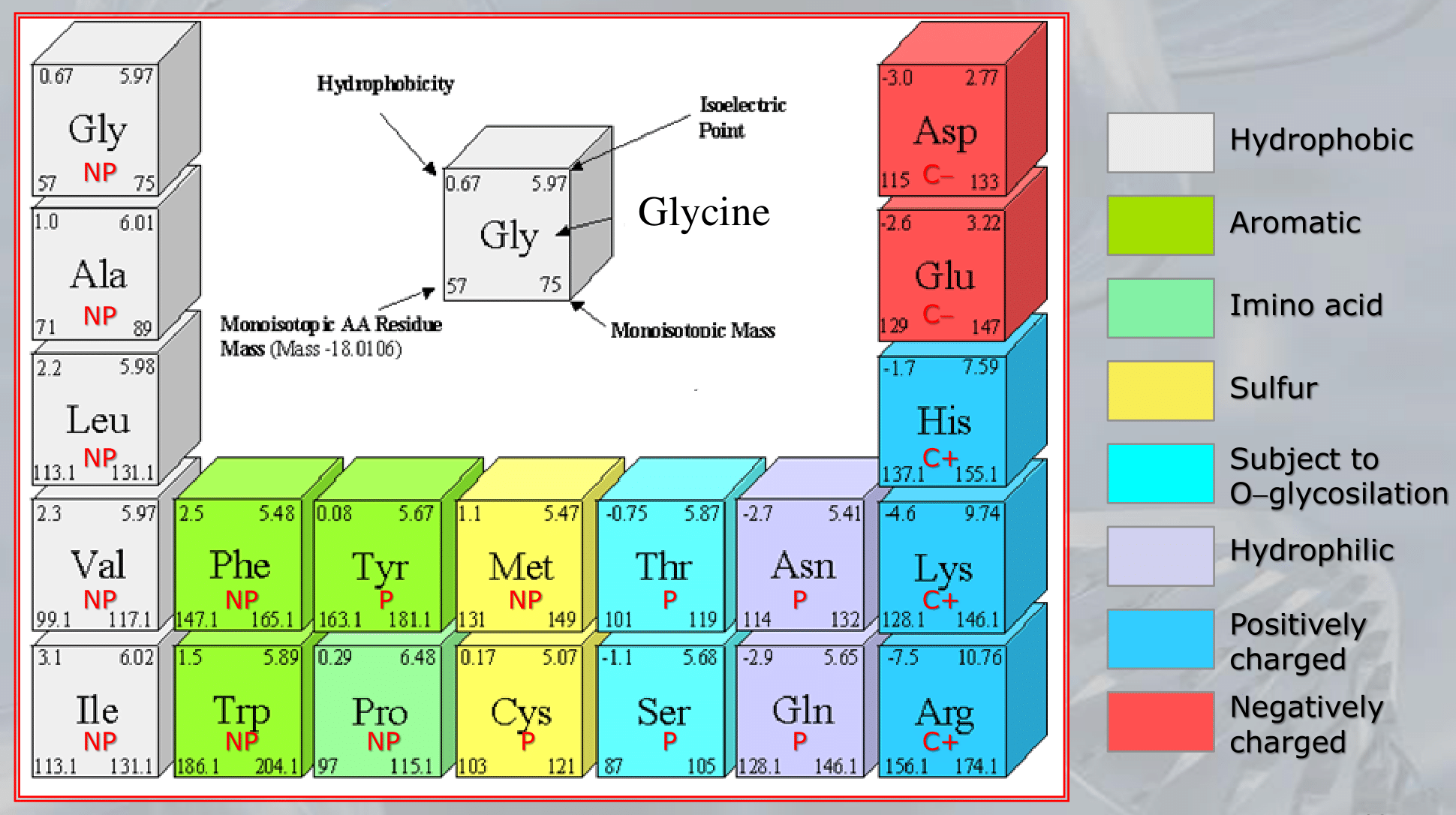
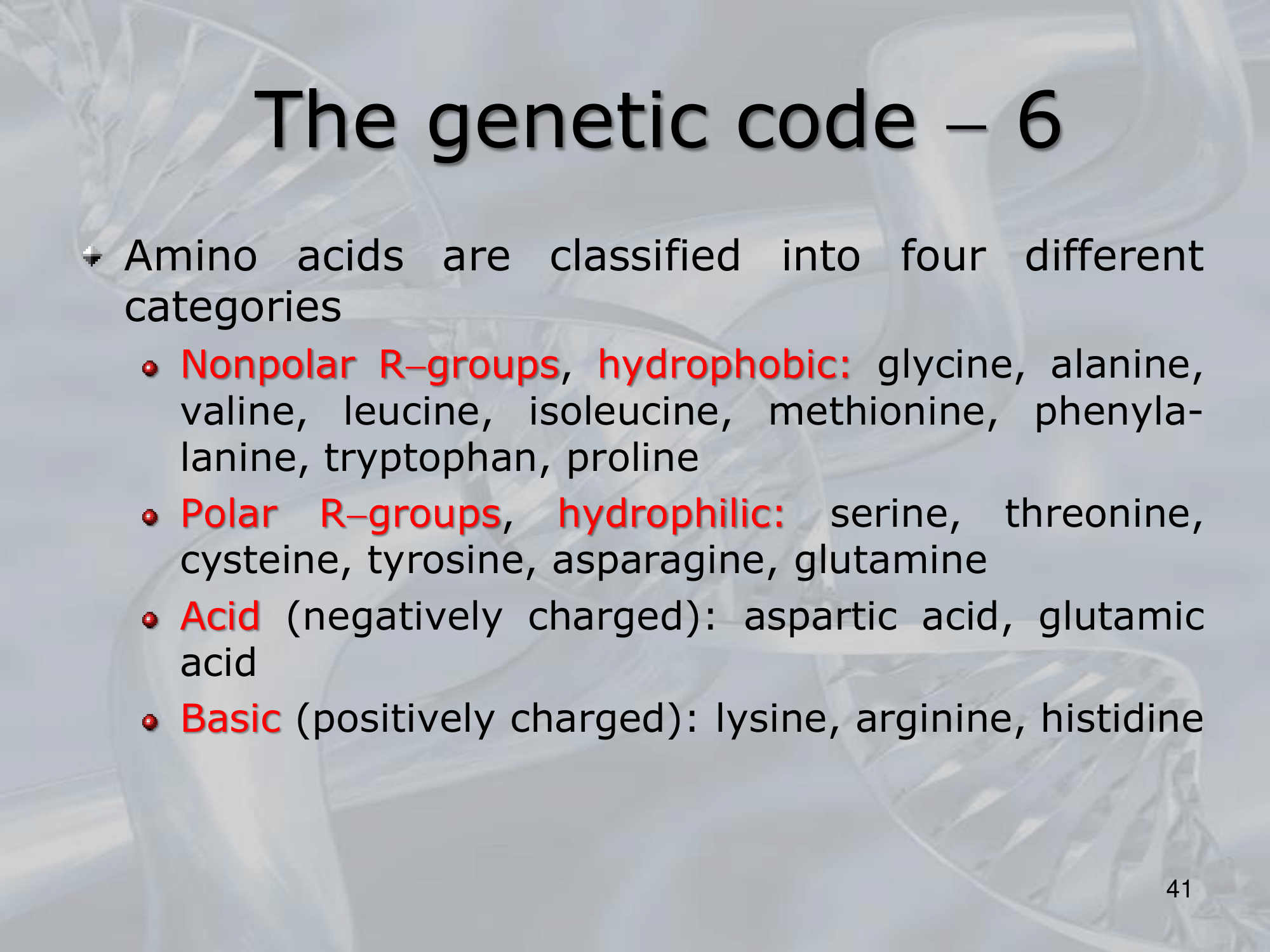
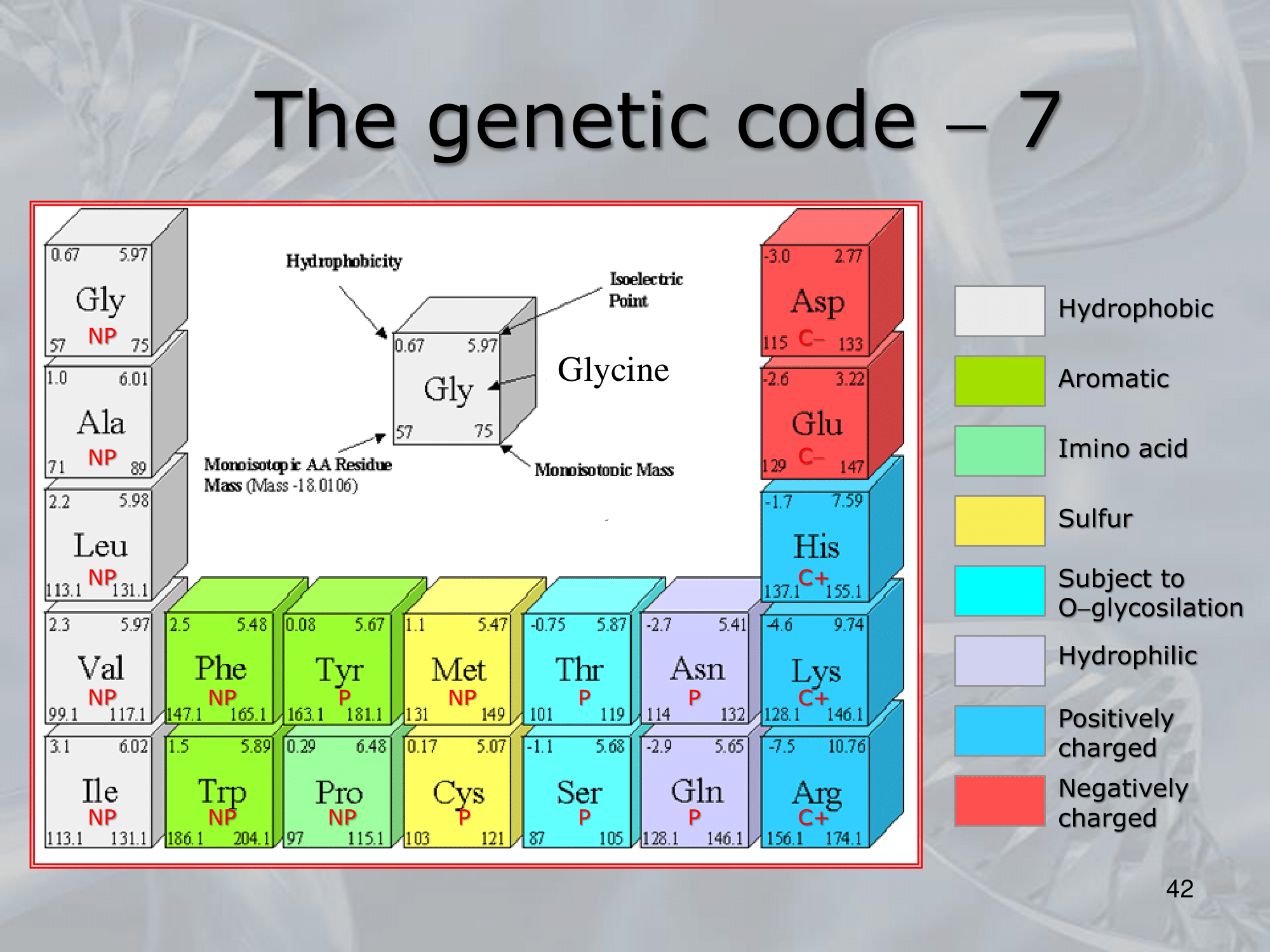
IMPORTANTE Groups of Amino Acids The amino acids are divided in:
- Non-Polar, Hydrophobic
- Polar, Hydrophilic
- Acid (Negatively Charged)
- Basic (Positively Charged)
IMPORTANTE Degeneracy of Amino Acid A codon is 3 nucleotides, there exists 64 different codons, that code for only 20 amino acid, different codon can code for the same amino acid. This redundancy is called degeneracy
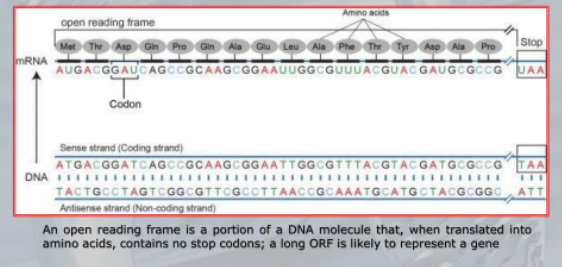
IMPORTANTE Open Reding Frame A start codon is defined as AUG (which also codes for methionine) A stop codon is defined wiht either UAA, UAG, and UGA (it does not code for anything else). An open reading frame (ORF) is a region of DNA within a start codon and a stop codon, and has the potential to be translated into a protein. A long ORF often represents a gene.
Slides with Notes
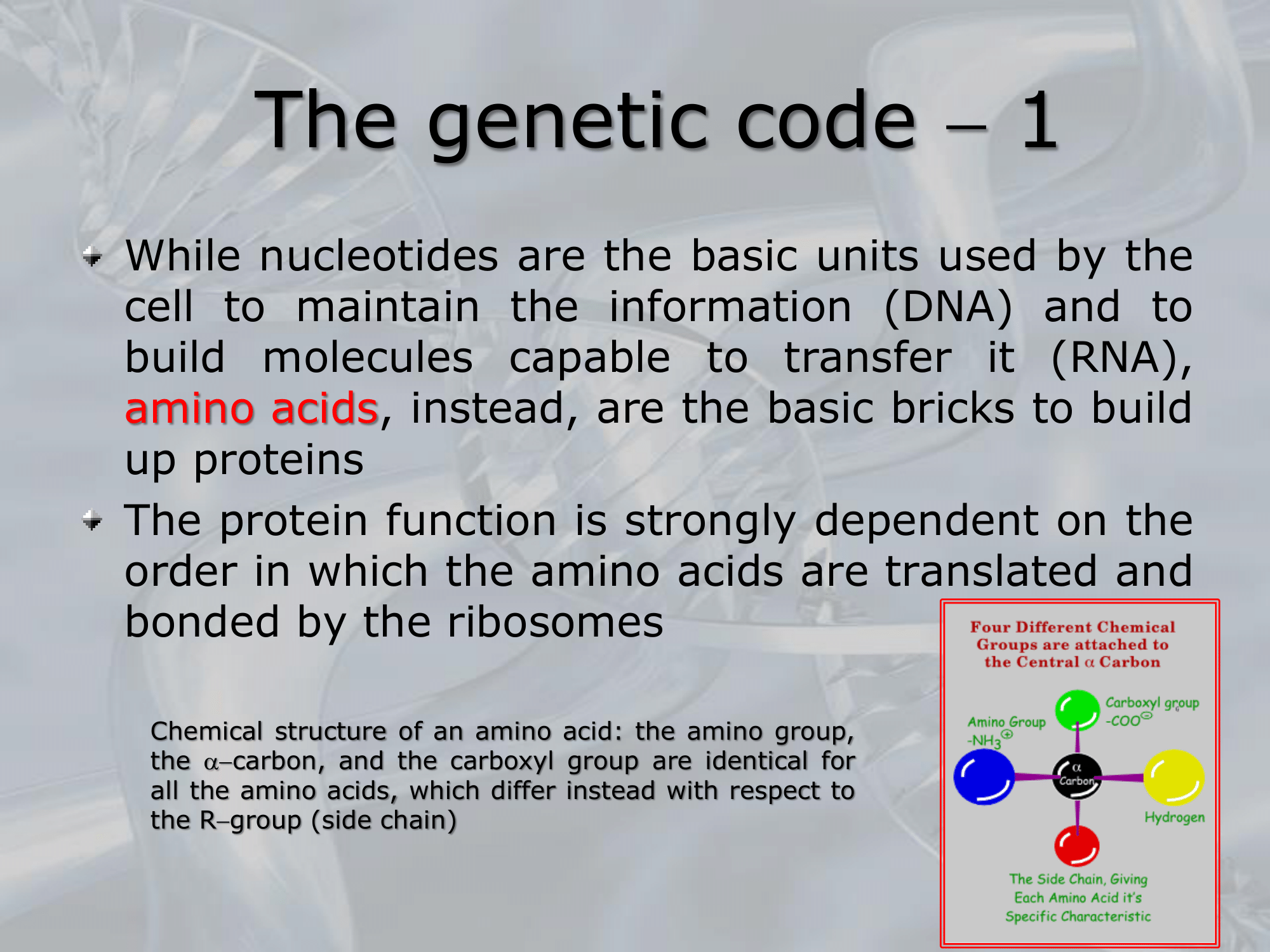
IMPORTANTE Amino Acids While nucleotides are the building block of DNA, amino acids are the building block of proteins. An amino acid is composed of an amino group (-NH), a carboxyl group (-COOH), an alpha carbon (-C) and a side chain indicated with R (which defines and distinguish each amino acid)
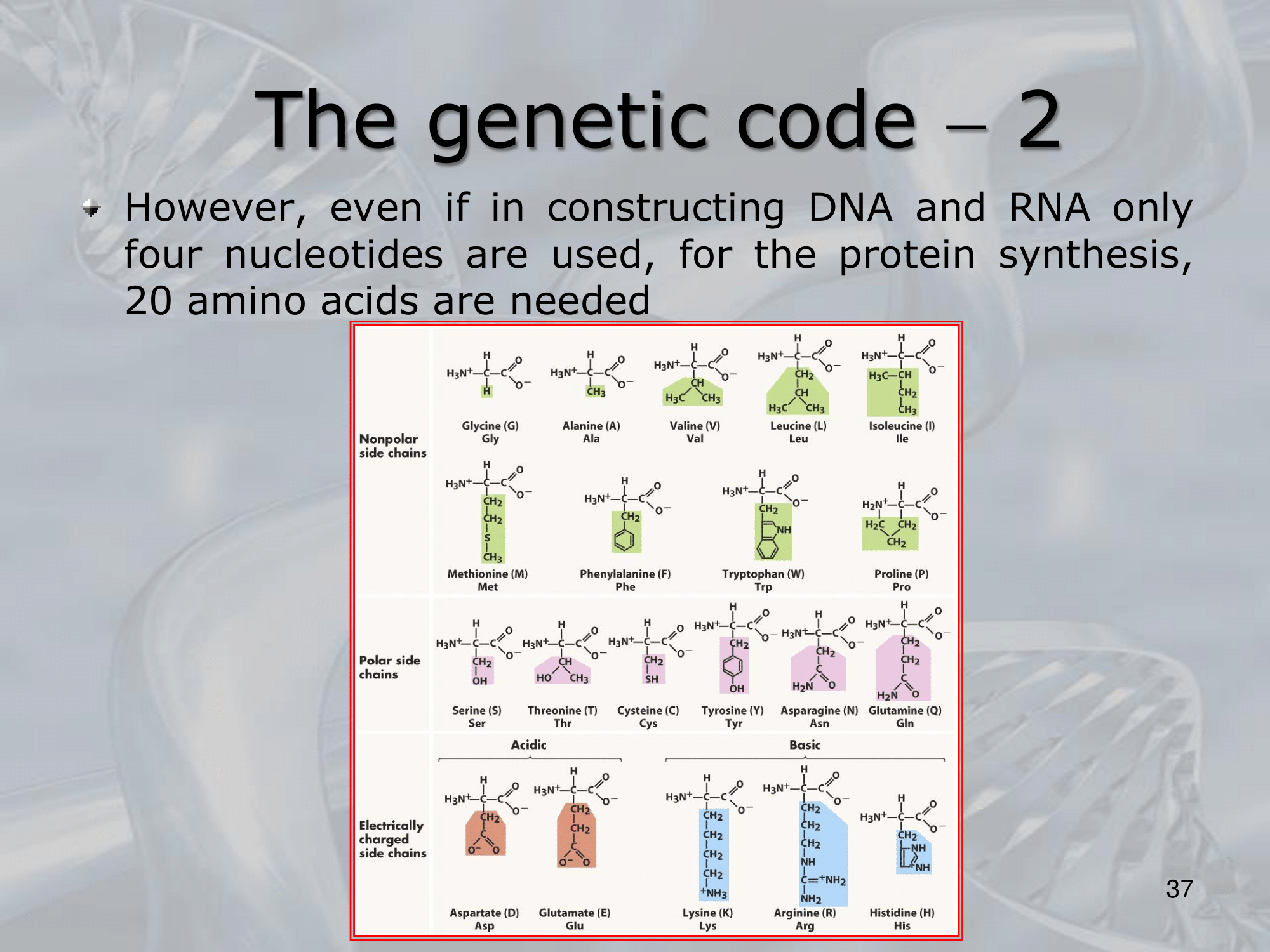
IMPORTANTE Codons To create an amino acid, we need a ribosome to translate a triplet of nucleotides (called a codon) from the RNA to create a single amino acid So 3 nucletides (a codon) ⇒ 1 amino acid.
IMPORTANTE Groups of Amino Acids The amino acids are divided in:
- Non-Polar, Hydrophobic
- Polar, Hydrophilic
- Acid (Negatively Charged)
- Basic (Positively Charged)
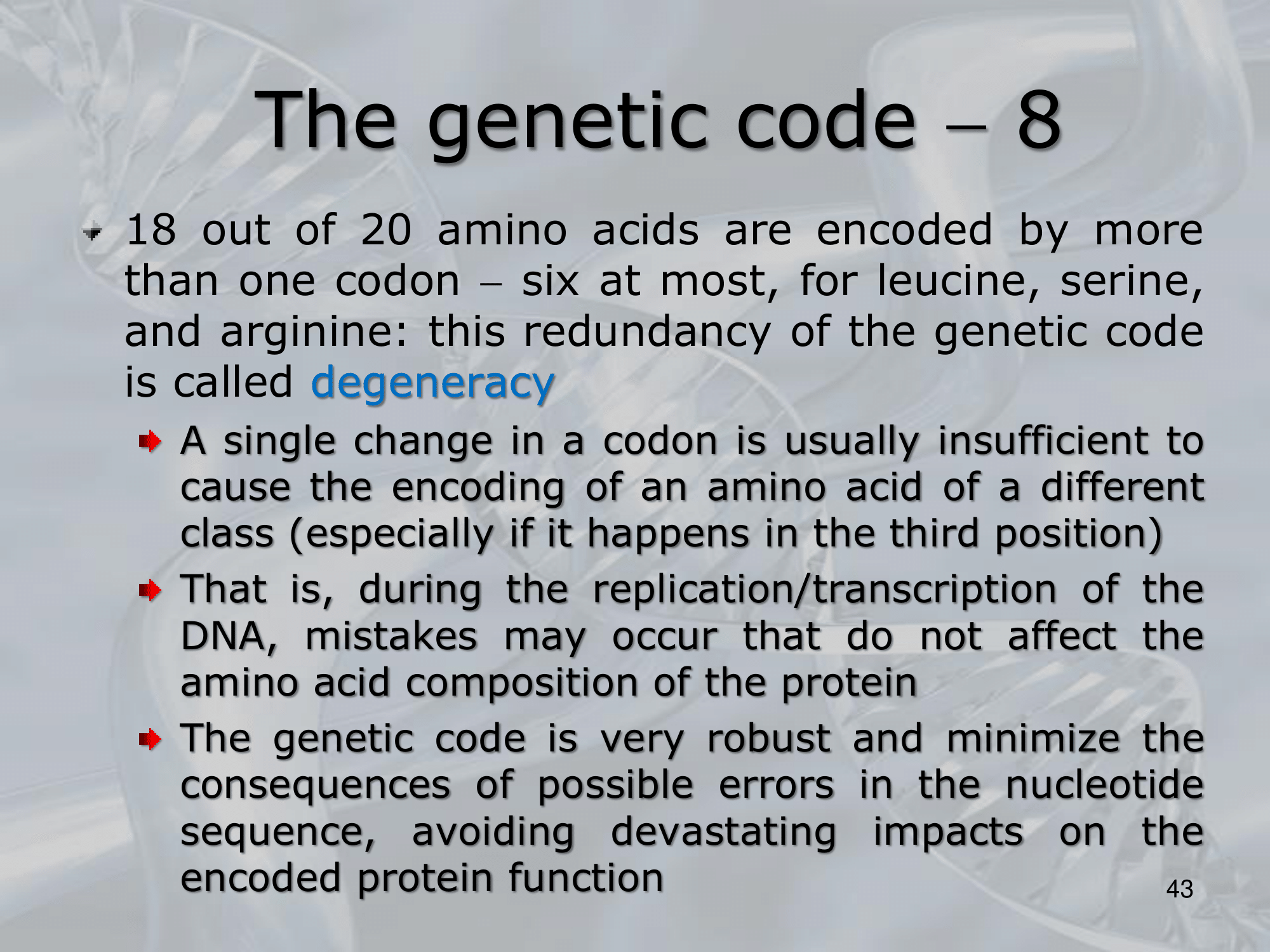
IMPORTANTE Degeneracy of Amino Acid A codon is 3 nucleotides, there exists 64 different codons, that code for only 20 amino acid, different codon can code for the same amino acid. This redundancy is called degeneracy
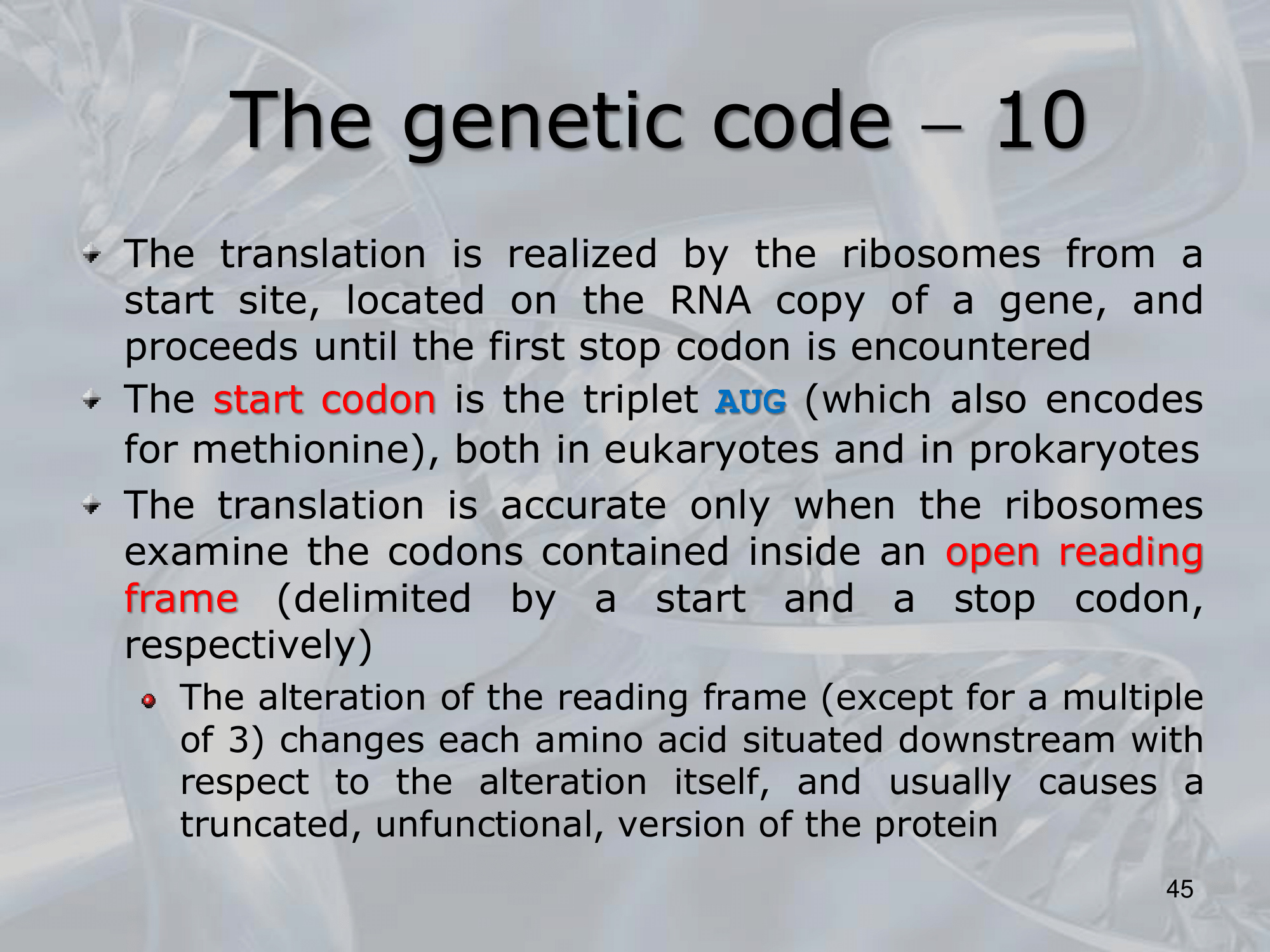
IMPORTANTE Open Reding Frame A start codon is defined as AUG (which also codes for methionine) A stop codon is defined wiht either UAA, UAG, and UGA (it does not code for anything else). An open reading frame (ORF) is a region of DNA within a start codon and a stop codon, and has the potential to be translated into a protein. A long ORF often represents a gene.