Questions
- What are Structural Proteins?
- ==Structural proteins are a class of proteins that play a key role in the structure and support of cells, tissues, and organisms==.
These proteins are typically long, fibrous molecules that have a high degree of mechanical stability and are able to resist stretching and bending forces. - One of the most well-known examples of a structural protein is collagen, which is found in connective tissues such as skin, bone, and cartilage.
Collagen provides strength and support to these tissues, and is able to resist mechanical stress due to its high degree of cross-linking and its unique triple-helical structure. - Other examples of structural proteins include keratin, which is found in hair, nails, and the outer layer of skin, and elastin, which is found in elastic tissues such as blood vessels and lung tissue.
These proteins are all important for maintaining the structural integrity of cells and tissues, and are essential for the proper functioning of the body.
- ==Structural proteins are a class of proteins that play a key role in the structure and support of cells, tissues, and organisms==.
- What are Machanoenzymes?
- Mechanoenzymes are a class of enzymes that can convert mechanical forces or movements into biochemical reactions.
They are also known as mechanochemical enzymes or molecular machines, and are found in a wide range of biological processes. - Mechanoenzymes work by using mechanical energy to change the conformation or position of their constituent molecules, which then triggers a chemical reaction.
One well-known example of a mechanoenzyme is myosin, which is responsible for muscle contraction.
Myosin uses the energy released from the hydrolysis of ATP to generate mechanical force and movement, which is then converted into the sliding of actin filaments, leading to muscle contraction. - Another example of a mechanoenzyme is helicase, which is involved in the unwinding of DNA during DNA replication and repair.
Helicase uses the energy from ATP hydrolysis to move along the DNA strand and separate the double-stranded DNA into two single strands, allowing the replication or repair machinery to access the genetic information. - Mechanoenzymes are important for many biological processes that involve force or movement, and understanding their mechanisms of action can provide insights into the functioning of cells and organisms at the molecular level.
- Mechanoenzymes are a class of enzymes that can convert mechanical forces or movements into biochemical reactions.
—————————————————————
IMPORTANTE
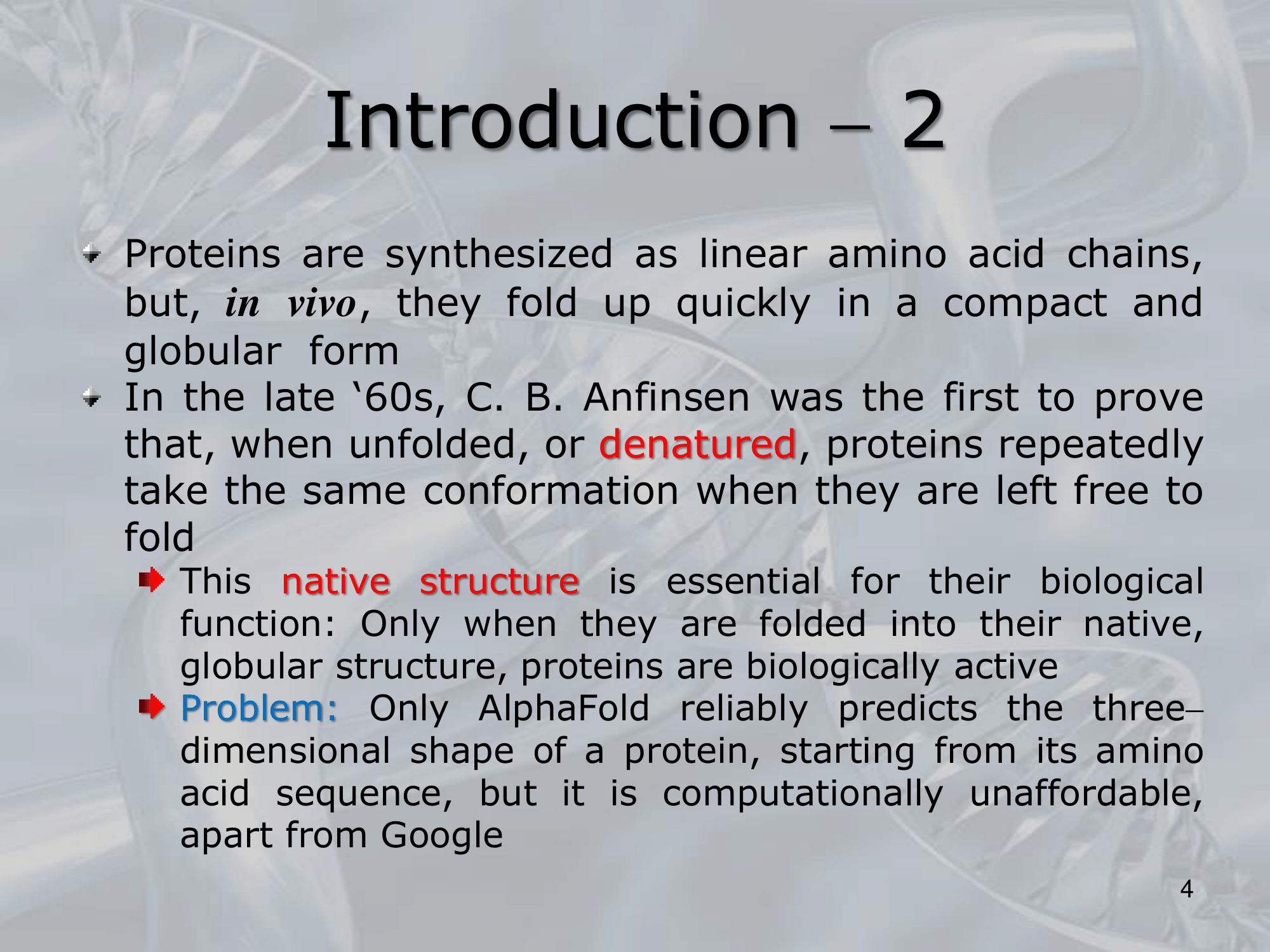
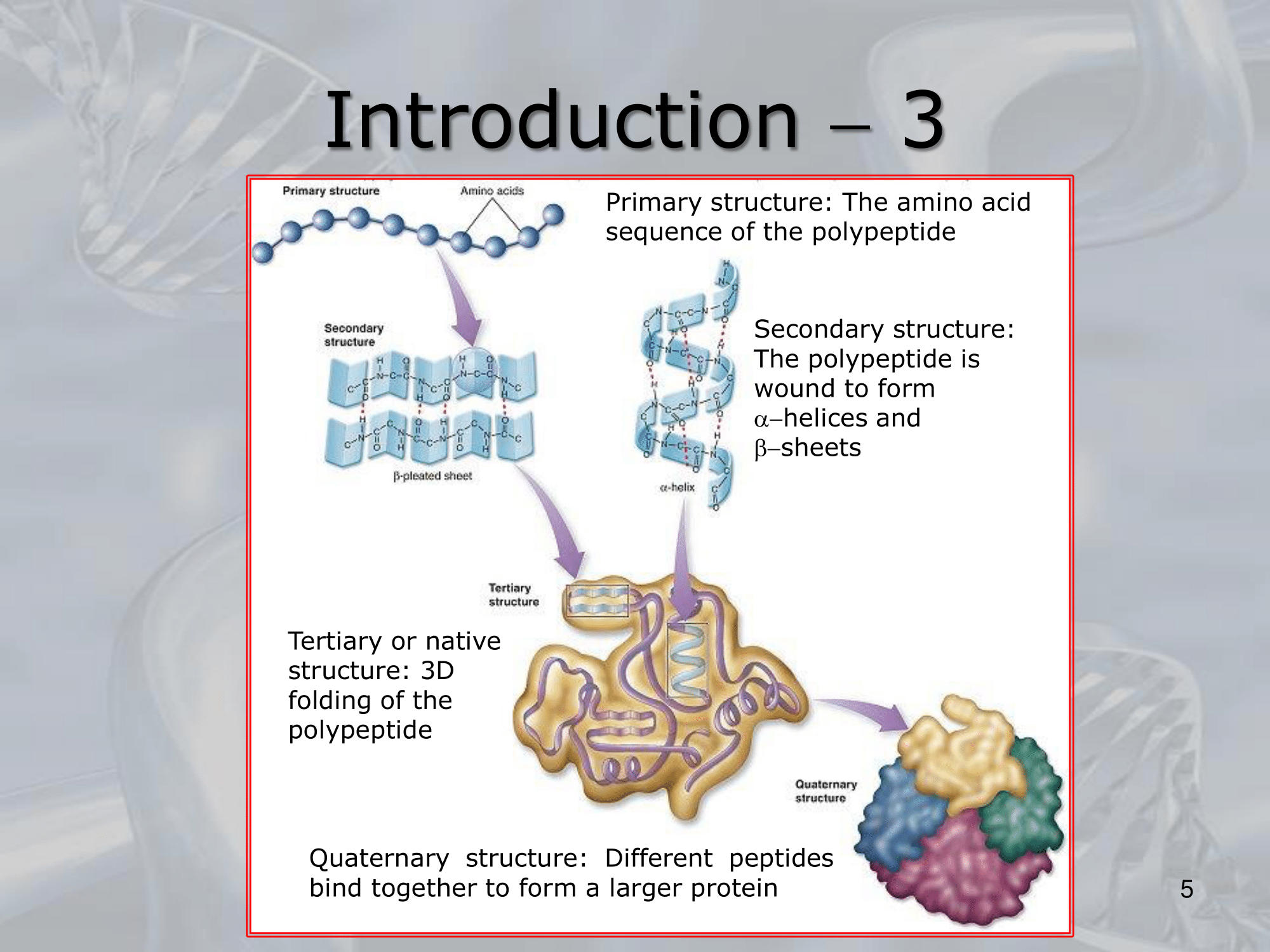
IMPORTANTE Strucutral Proteins come il collagene, mantengano e rafforzano i nostri tessuti connettivi #IMPORTANTE Mechanoenzymes come la miosina, sono responsabili per il movimento, microscopico e macroscopico. #IMPORTANTE Enzymes (in generale) fungono da catalizzatori per diverse reazioni chimiche. #IMPORTANTE L’interazione di proteine con il DNA ed l’RNA permette di creare nuove proteine e regolarne la loro espressione #IMPORTANTE Protein Folding:

—————————————————————
Slides with Notes
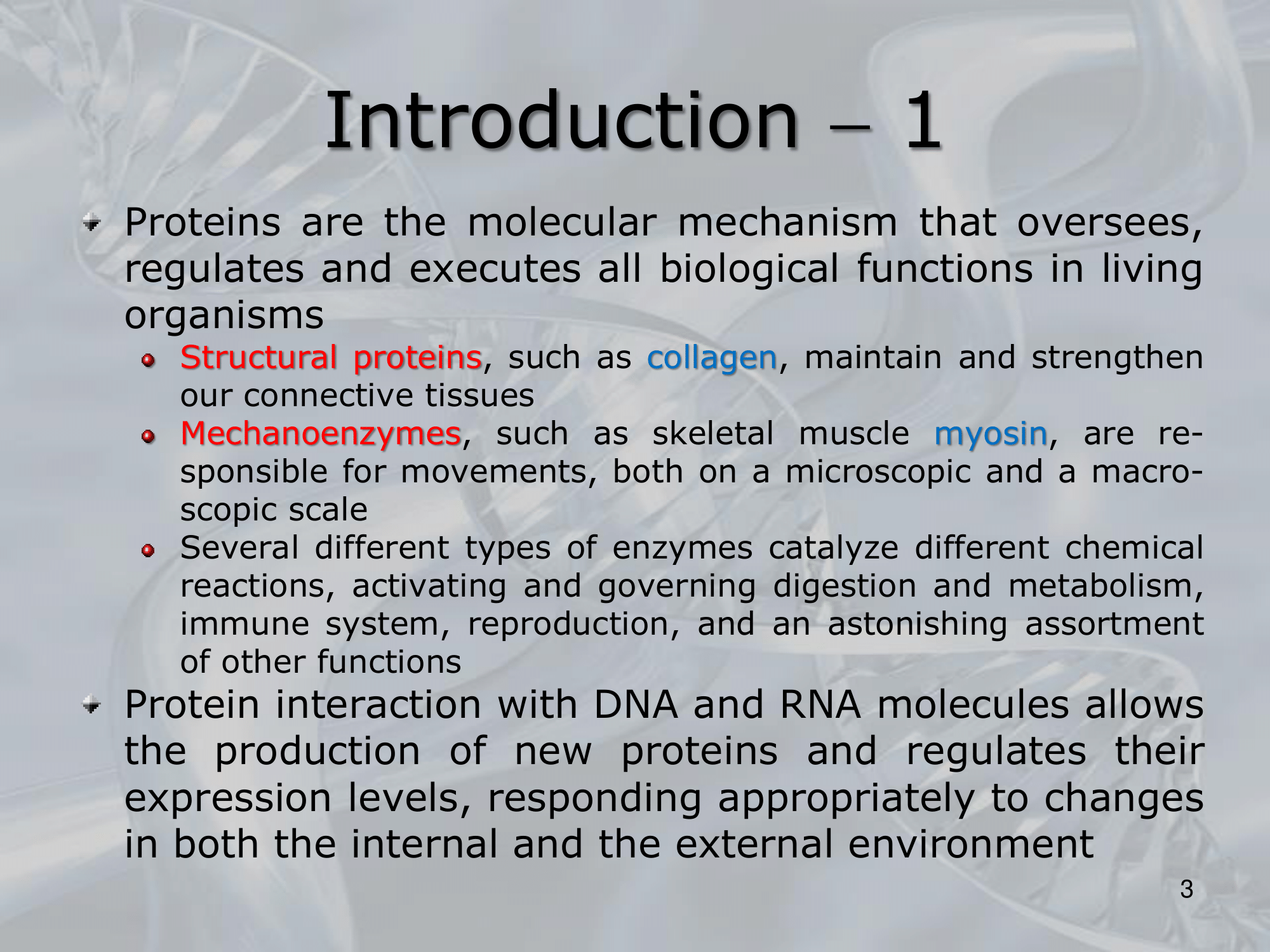
IMPORTANTE Strucutral Proteins come il collagene, mantengano e rafforzano i nostri tessuti connettivi #IMPORTANTE Mechanoenzymes come la miosina, sono responsabili per il movimento, microscopico e macroscopico. #IMPORTANTE Enzymes (in generale) fungono da catalizzatori per diverse reazioni chimiche. #IMPORTANTE L’interazione di proteine con il DNA ed l’RNA permette di creare nuove proteine e regolarne la loro espressione #IMPORTANTE Protein Folding: