Questions
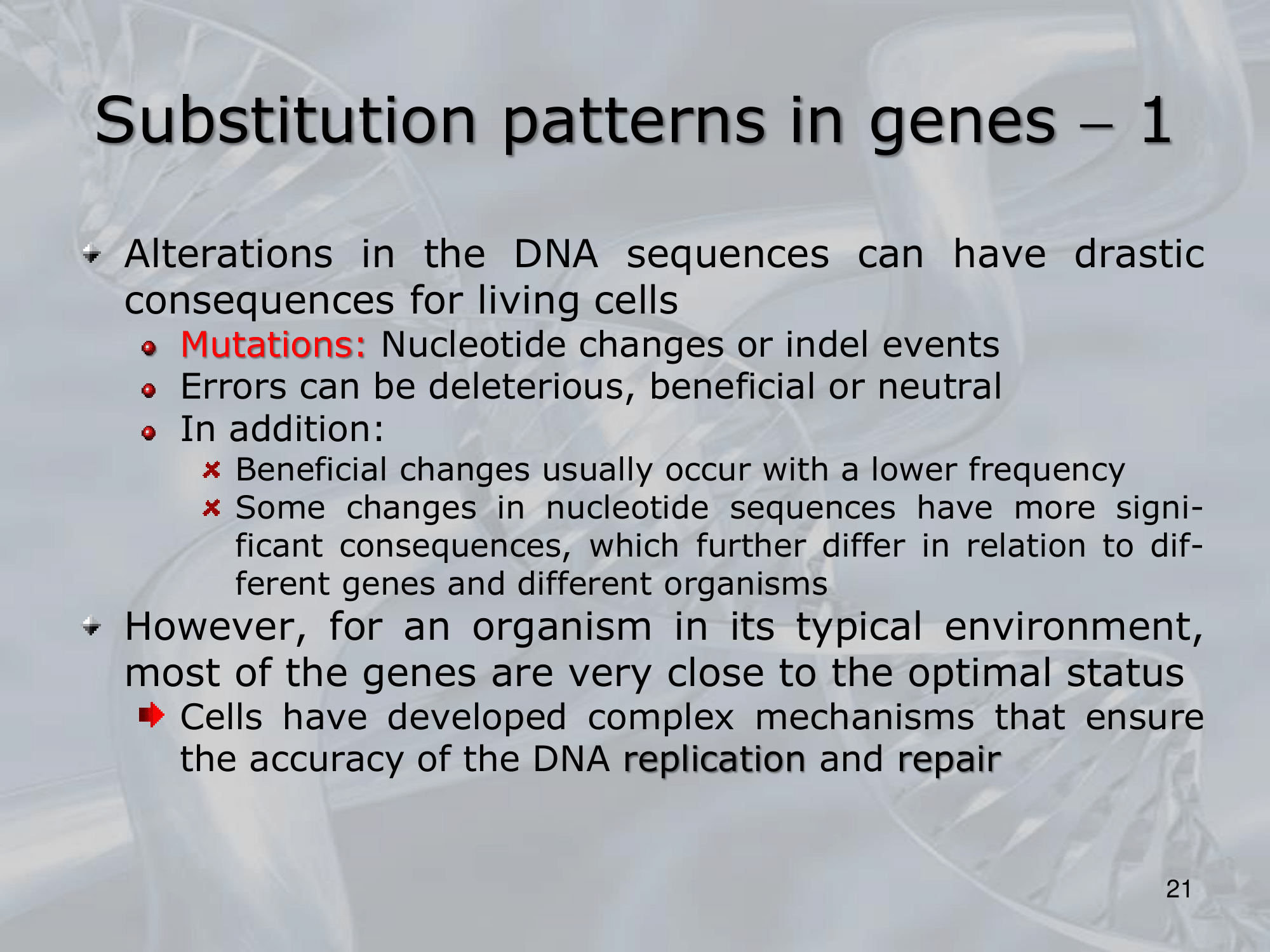
- Why don’t we see that many Mutations in Organisms?
- Cells have developed complex mechanisms that ensure the accuracy of the DNA replication and repair
- Mutations occur continuously in organisms due to various factors such as errors during DNA replication, exposure to mutagens, and genetic recombination.
However, the majority of mutations are either deleterious or neutral, meaning that they do not confer any significant advantage to the organism or are harmful to its survival and reproduction.
Thus, these mutations are often eliminated by natural selection or genetic drift, resulting in a low frequency of mutations that are beneficial or adaptive in nature. - Additionally, many organisms have evolved mechanisms to prevent or repair mutations.
For example, DNA proofreading and repair enzymes can detect and correct errors that occur during DNA replication, and systems such as mismatch repair, base excision repair, and nucleotide excision repair can remove damaged or mismatched nucleotides.
These repair mechanisms help to maintain the integrity and stability of the genome and prevent the accumulation of mutations. - Finally, the rate of mutation can vary widely between different organisms and even between different parts of the genome within the same organism.
For example, some organisms such as bacteria and viruses have high mutation rates due to their rapid replication and lack of repair mechanisms, while others such as humans have lower mutation rates due to their longer generation times and more complex DNA repair mechanisms. - Overall, the combination of selective pressures against deleterious mutations, mechanisms to prevent and repair mutations, and variation in mutation rates can all contribute to the relatively low frequency of mutations that we observe in many organisms.
- What is DNA Replication?
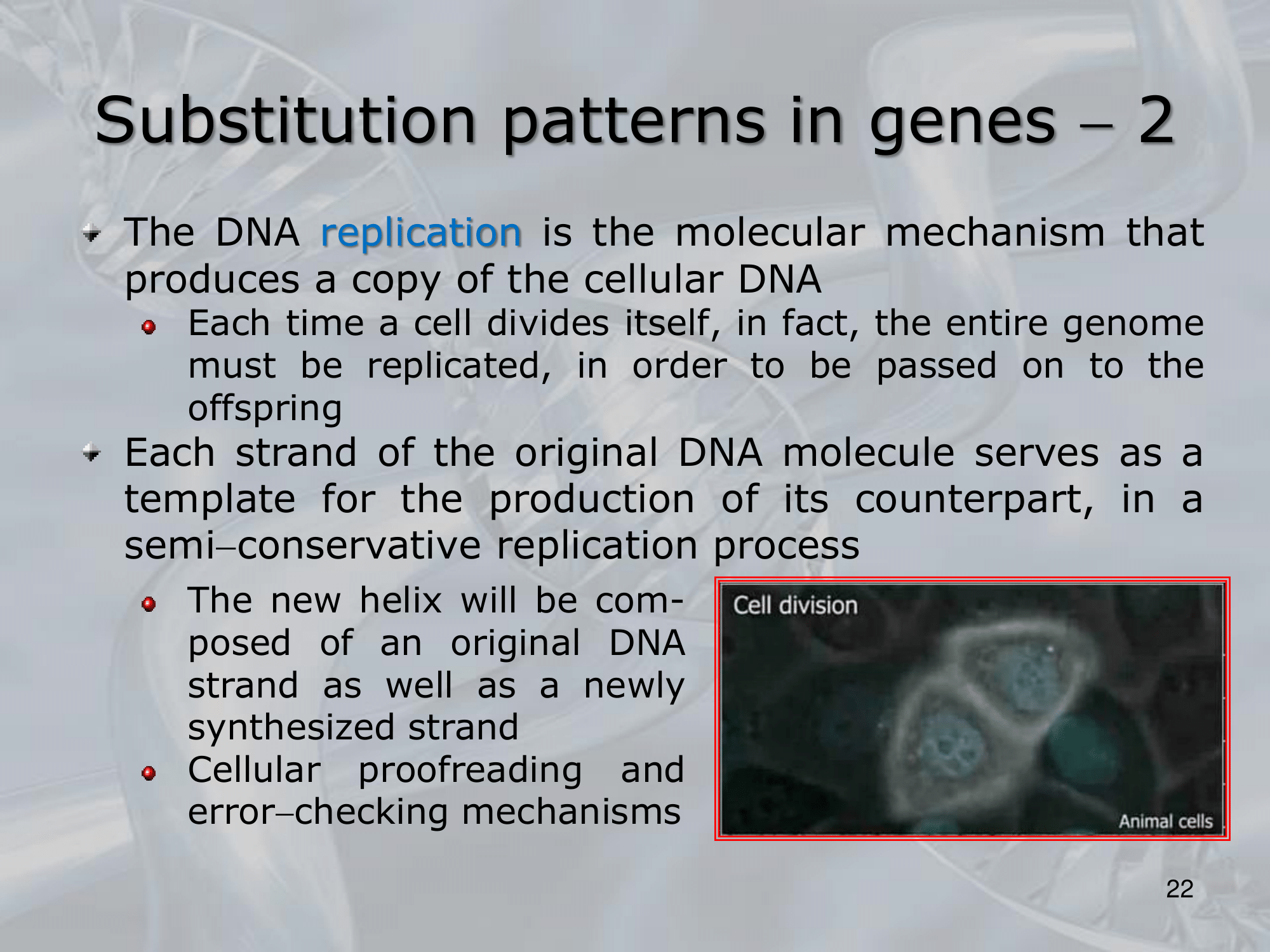
- DNA replication is the process by which a cell makes an identical copy of its DNA before cell division.
This ensures that each daughter cell receives a complete set of genetic information that is identical to the parent cell. - The process of DNA replication involves multiple steps and a variety of proteins and enzymes.
- Unwinding of the double-stranded DNA molecule, which is achieved by an enzyme called helicase.
This creates a replication fork, which is a Y-shaped structure where the two strands of DNA are separated. - Next, an enzyme called primase synthesizes a short RNA primer on each strand of DNA, which provides a starting point for DNA synthesis by the enzyme DNA polymerase.
- The DNA polymerase then adds new nucleotides to the growing strand of DNA, using the existing strand as a template.
- The nucleotides are joined together by phosphodiester bonds to form a new complementary strand of DNA.
- Unwinding of the double-stranded DNA molecule, which is achieved by an enzyme called helicase.
- DNA replication proceeds in both directions from the replication fork until the entire DNA molecule has been replicated.
After replication is complete, the RNA primers are removed and replaced with DNA nucleotides, and the newly synthesized DNA strands are proofread and repaired to ensure accuracy. - Overall, DNA replication is a complex and highly regulated process that is essential for the accurate transmission of genetic information from one generation of cells to the next.
- DNA replication is the process by which a cell makes an identical copy of its DNA before cell division.
- What is DNA Repair?
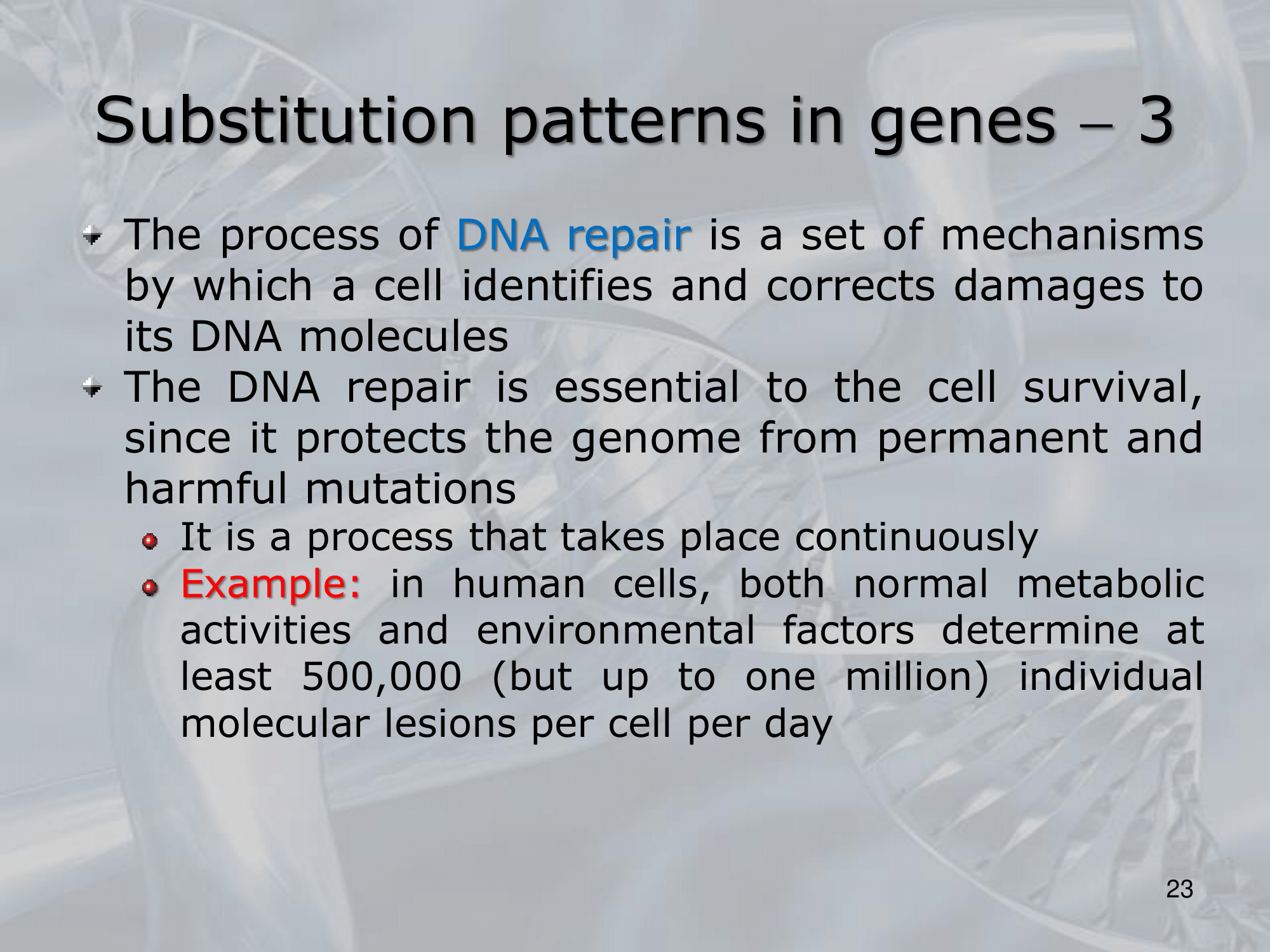
- DNA repair is the process by which cells detect and correct damage to their DNA molecules.
The DNA in cells is constantly exposed to a variety of damaging agents, such as radiation, chemical mutagens, and reactive oxygen species.
If this damage is not repaired, it can lead to mutations, chromosomal aberrations, and ultimately, to cell death or disease. - There are several mechanisms by which cells repair DNA damage.
The most common mechanism is base excision repair, which corrects damage to individual nucleotides.
This process involves the removal of the damaged base by a DNA glycosylase enzyme, followed by the action of other enzymes that remove the sugar and phosphate backbone of the nucleotide, allowing for the insertion of a new nucleotide to replace the damaged one. - Another important mechanism is nucleotide excision repair, which repairs damage to larger segments of DNA.
This process involves the recognition and removal of the damaged segment of DNA by a protein complex called the nucleotide excision repair factor, followed by the synthesis of a new DNA segment to replace the damaged one. - In addition, cells have other mechanisms to repair DNA damage, such as mismatch repair, which corrects errors that occur during DNA replication, and double-strand break repair, which repairs breaks that occur in both strands of the DNA molecule.
- Overall, DNA repair is a critical process that helps to maintain the integrity of the genetic information in cells and prevent the development of diseases such as cancer.
- DNA repair is the process by which cells detect and correct damage to their DNA molecules.
- How does DNA Repair change with Aging, what are some Damaging Events that can happen?
- As organisms age, the efficiency and effectiveness of DNA repair mechanisms can decrease, leading to an accumulation of DNA damage and an increased risk of diseases such as cancer.
Some of the damaging events that can happen in DNA with aging include:- Oxidative stress: as cells age, they become less efficient at dealing with reactive oxygen species (ROS), which can cause damage to DNA molecules, including single- and double-strand breaks and base modifications.
- Replication errors: DNA replication errors can occur as a result of aging, leading to mutations in the DNA sequence.
The ability of cells to correct these errors decreases with age. - Telomere shortening: telomeres are protective structures that cap the ends of chromosomes.
As cells divide, telomeres become shorter, and when they become too short, cells can enter a state of senescence or programmed cell death. - Epigenetic changes: Epigenetic changes, such as modifications to DNA methylation and histone acetylation, can affect gene expression and contribute to aging-related diseases.
- Environmental exposures: Environmental factors such as radiation, toxins, and pollutants can damage DNA and contribute to aging-related diseases.
- In summary, DNA repair mechanisms can become less effective with aging, leading to an accumulation of DNA damage and an increased risk of diseases such as cancer. It is important to understand the molecular mechanisms of DNA damage and repair to develop effective strategies for preventing and treating age-related diseases.
- As organisms age, the efficiency and effectiveness of DNA repair mechanisms can decrease, leading to an accumulation of DNA damage and an increased risk of diseases such as cancer.
—————————————————————
IMPORTANTE
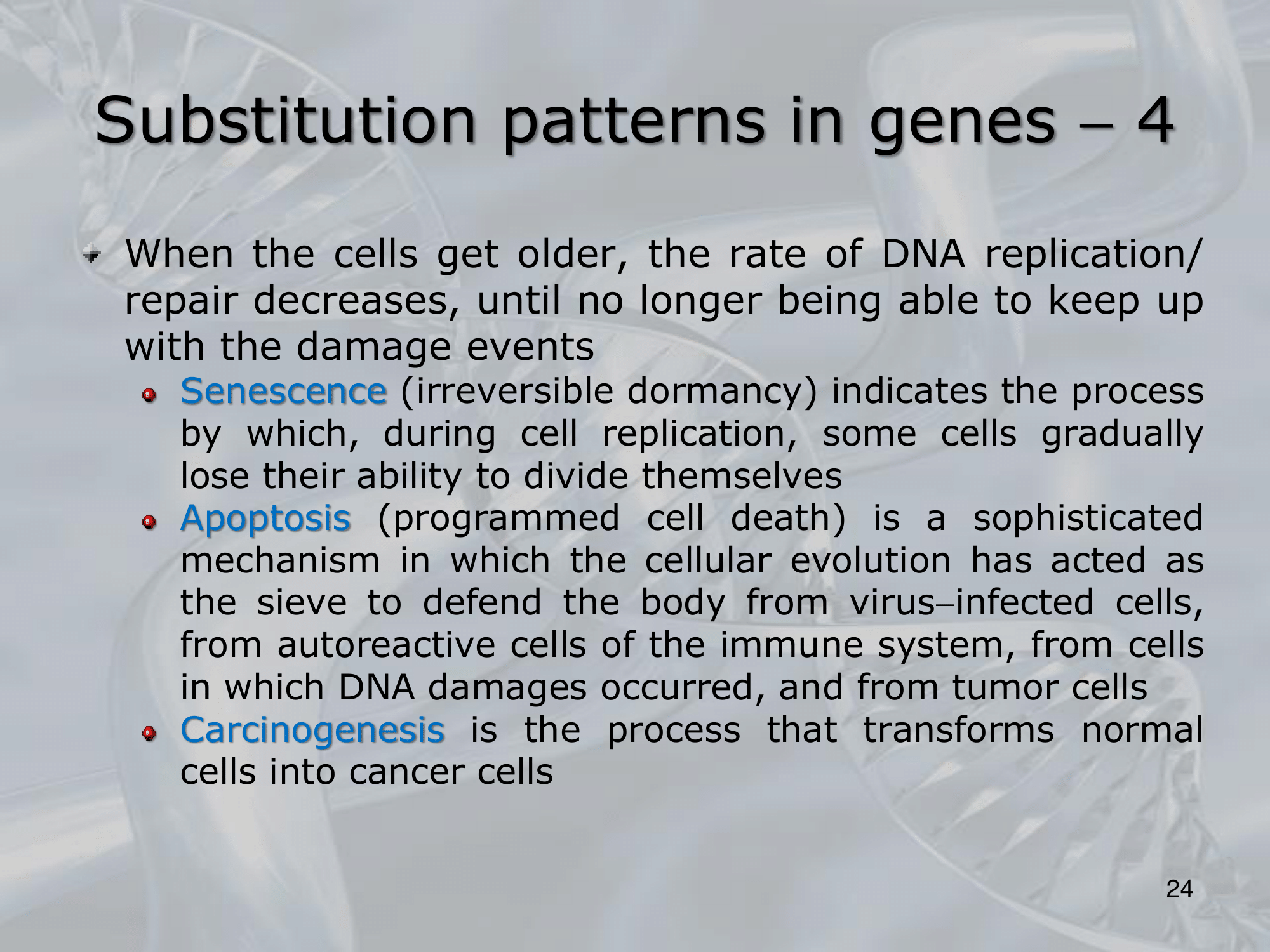
IMPORTANTE Cells have a DNA repair process where after duplication they can “undo” mutation that have occurred, tho this process is not perfect and it decreases over time (aging of the individual) Possibile damaging events that could happen if the DNA doesn’t repair a cell are:
- Senescence: during cell replication, some cells gradually lose their ability to divide themselves.
- Apotosis: programmed cell deaths, can save the individual from virus-infected cells and cancer cells.
- Cardiogenesis: process of normal cells turning into cancer cells.
—————————————————————
Slides with Notes
IMPORTANTE Cells have a DNA repair process where after duplication they can “undo” mutation that have occurred, tho this process is not perfect and it decreases over time (aging of the individual) Possibile damaging events that could happen if the DNA doesn’t repair a cell are:
- Senescence: during cell replication, some cells gradually lose their ability to divide themselves.
- Apotosis: programmed cell deaths, can save the individual from virus-infected cells and cancer cells.
- Cardiogenesis: process of normal cells turning into cancer cells.