Questions
- What are the aims of Bioinformatics?
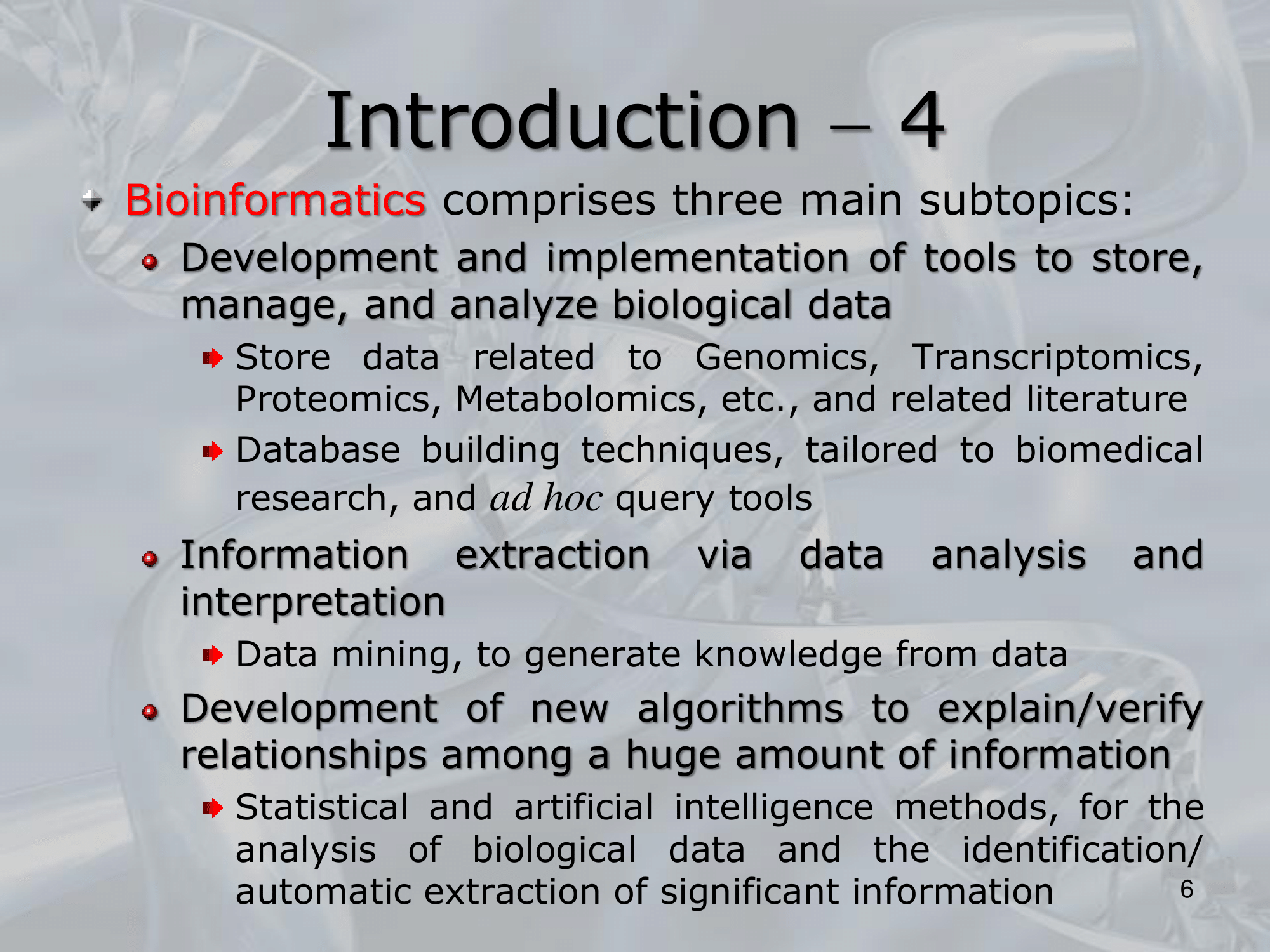
- The aims of bioinformatics can be broadly summarized as follows:
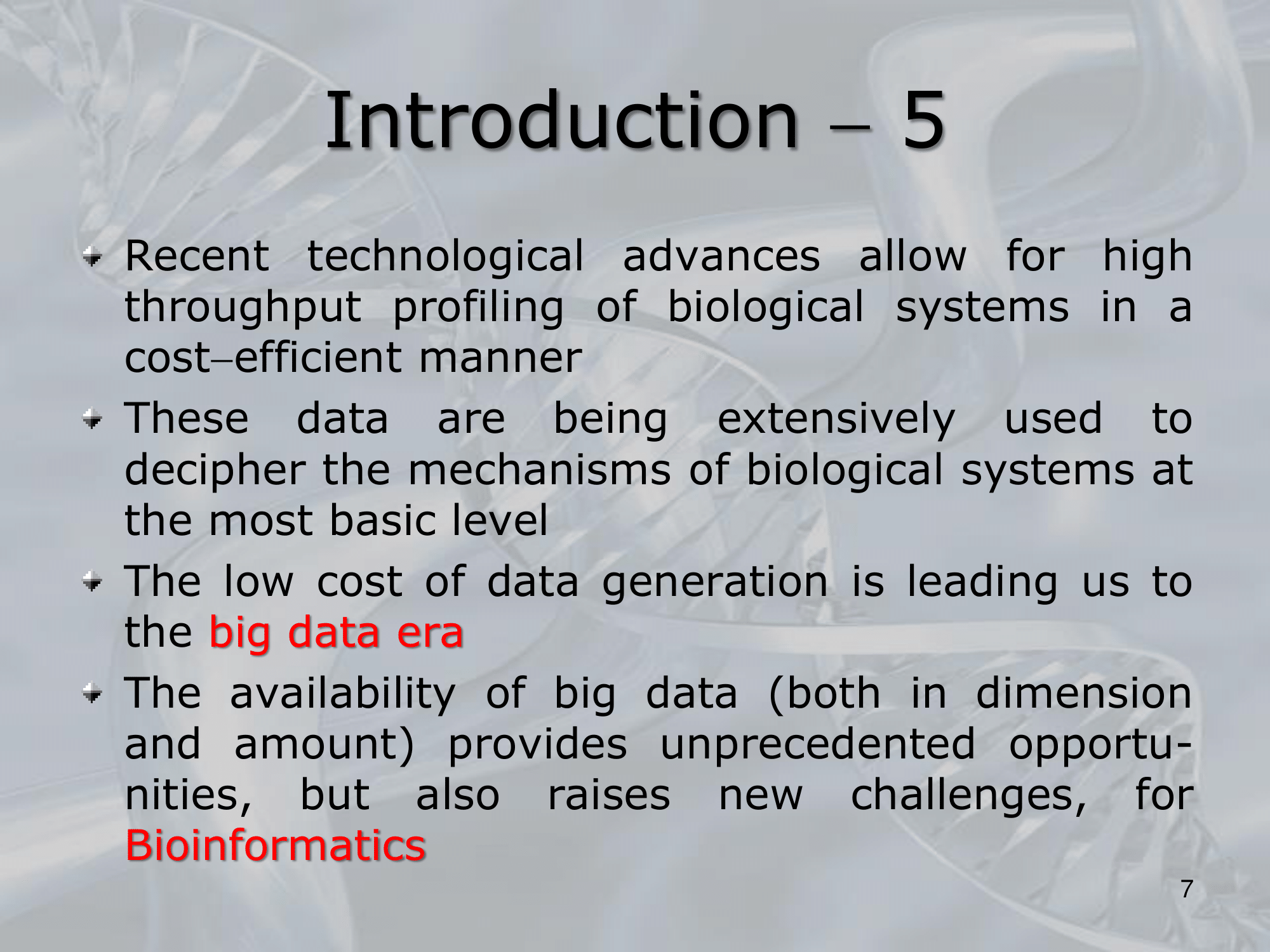
- Management and analysis of biological data: One of the primary goals of bioinformatics is to develop tools and methods for managing and analyzing large and complex biological data sets.
This includes the development of algorithms and software for data storage, retrieval, visualization, and analysis. - Identification and annotation of biological features: Bioinformatics is also concerned with the identification and annotation of biological features such as genes, proteins, and other functional elements in genomes and other biological systems.
This involves the development of computational methods for gene prediction, functional annotation, and regulatory element identification. - Comparative genomics and evolutionary analysis: Bioinformatics plays a crucial role in comparative genomics and evolutionary analysis, which involves the comparison of genetic sequences across different species to identify conserved and divergent features.
This can provide insights into the evolutionary history of organisms and the functions of genes and other biological elements. - Development of predictive models: Bioinformatics is also concerned with the development of predictive models of biological systems, such as protein-protein interactions, gene expression networks, and metabolic pathways.
These models can help researchers to understand the behavior of biological systems and predict the outcomes of experimental interventions. - Drug discovery and personalized medicine: Bioinformatics is increasingly being used in drug discovery and personalized medicine.
This includes the development of computational methods for drug design and discovery, as well as the analysis of genetic and clinical data to predict individual patient outcomes and identify personalized treatment options.
- Management and analysis of biological data: One of the primary goals of bioinformatics is to develop tools and methods for managing and analyzing large and complex biological data sets.
- The aims of bioinformatics can be broadly summarized as follows:
- What are the main topics of Bioinformatics?
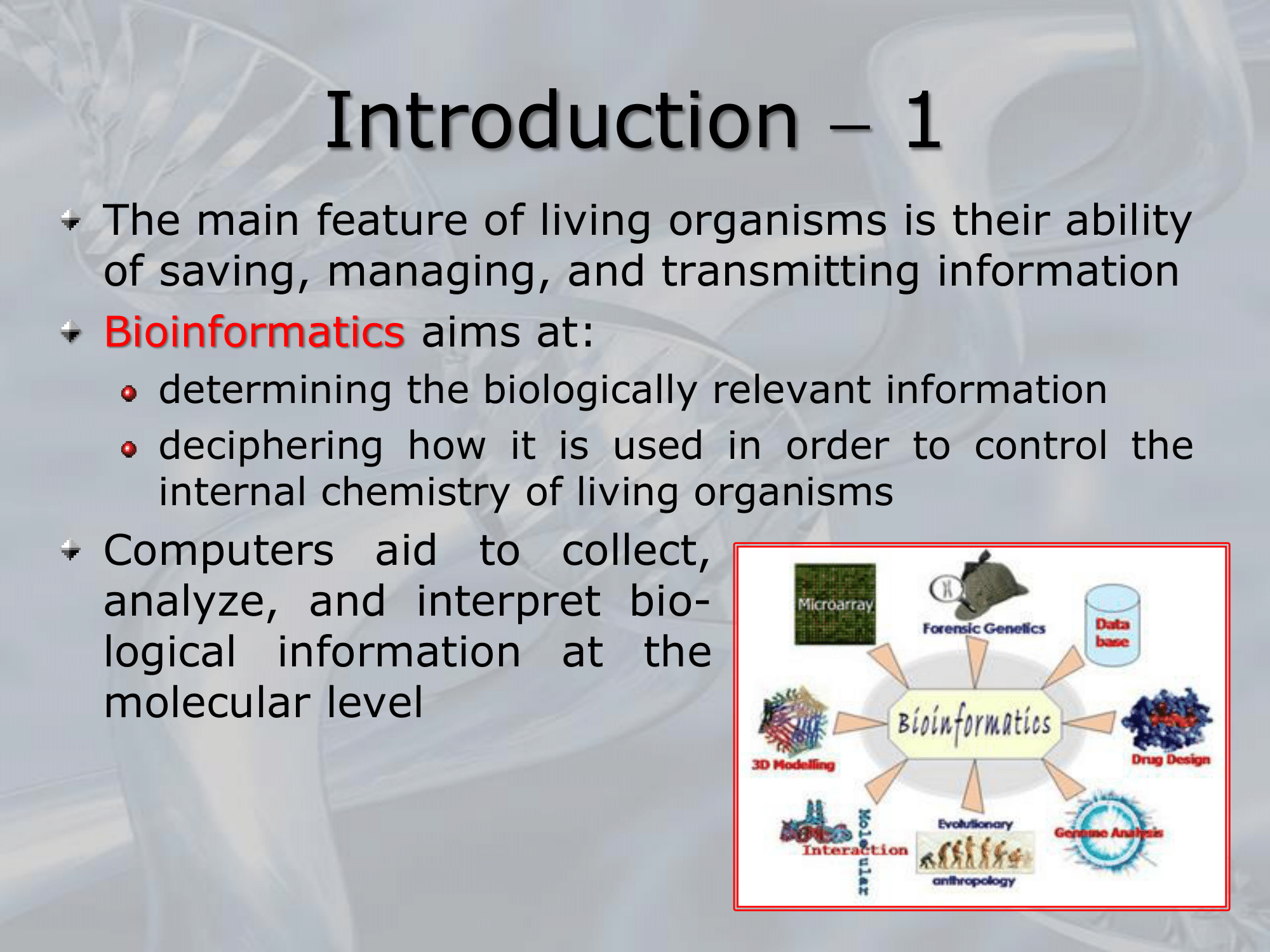
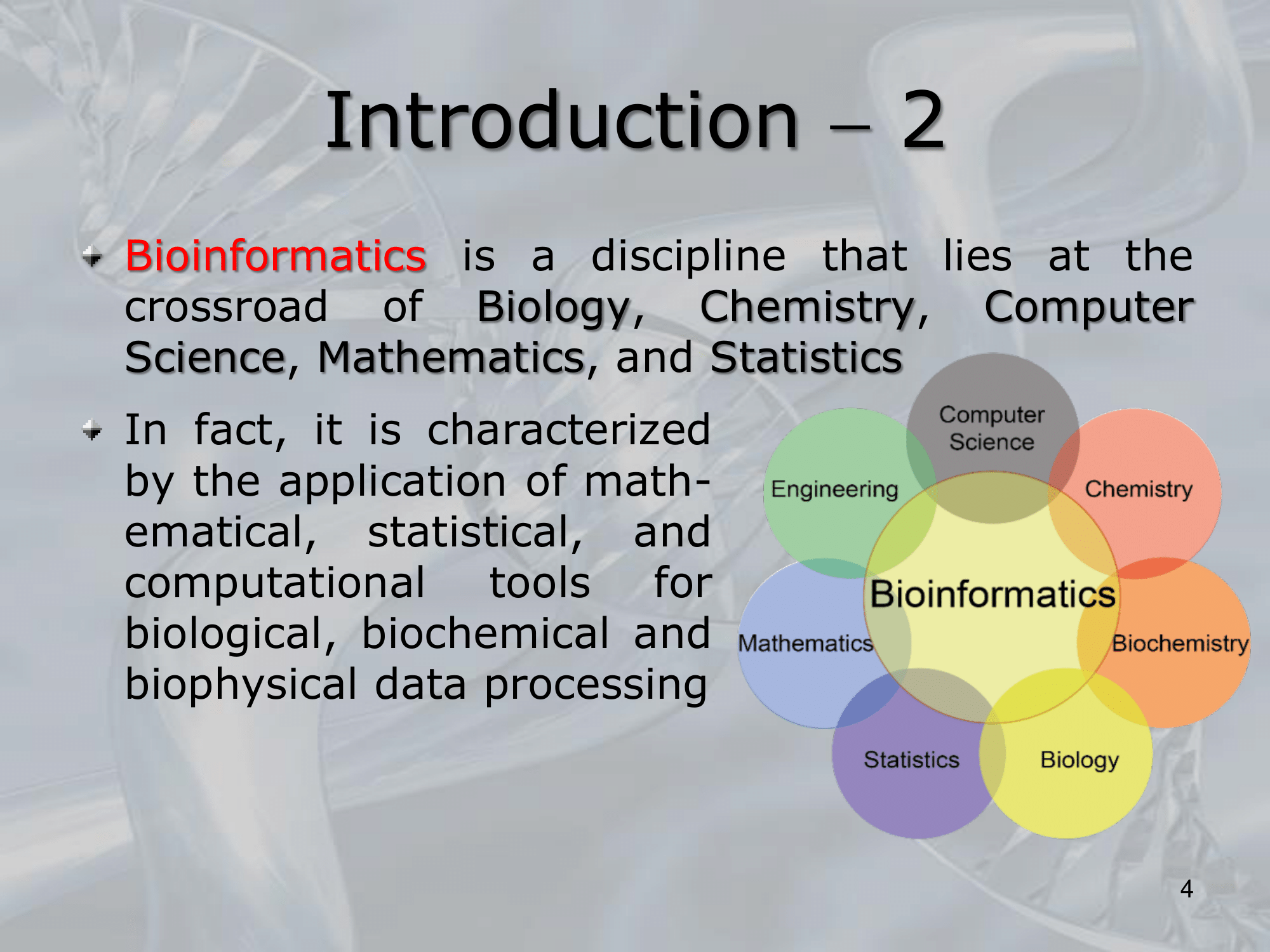
- Bioinformatics is a broad field that covers a wide range of topics.
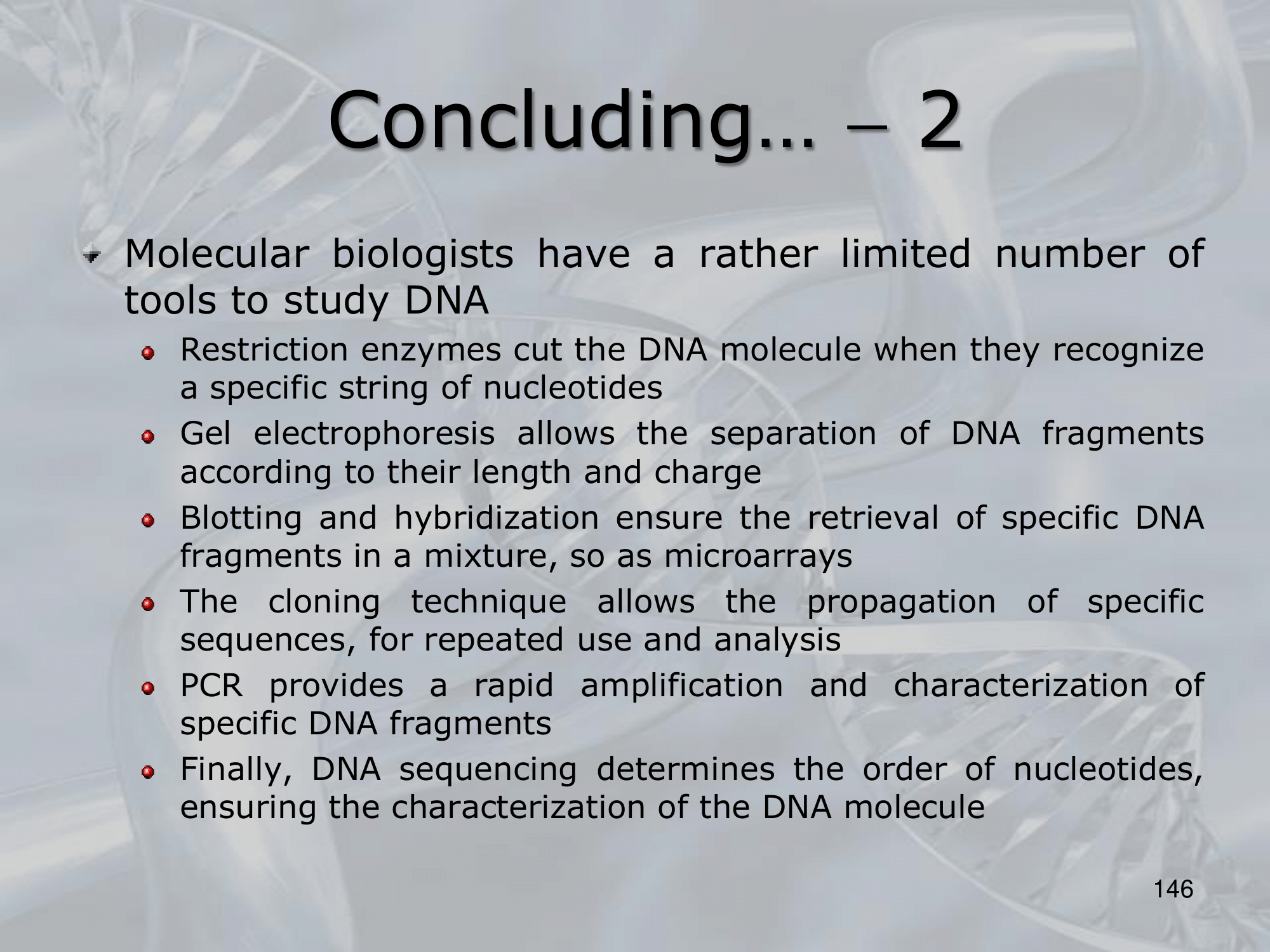
Some of the main topics of bioinformatics include:- Sequence analysis: This involves the analysis of nucleotide or amino acid sequences to identify genes, regulatory elements, and other functional features.
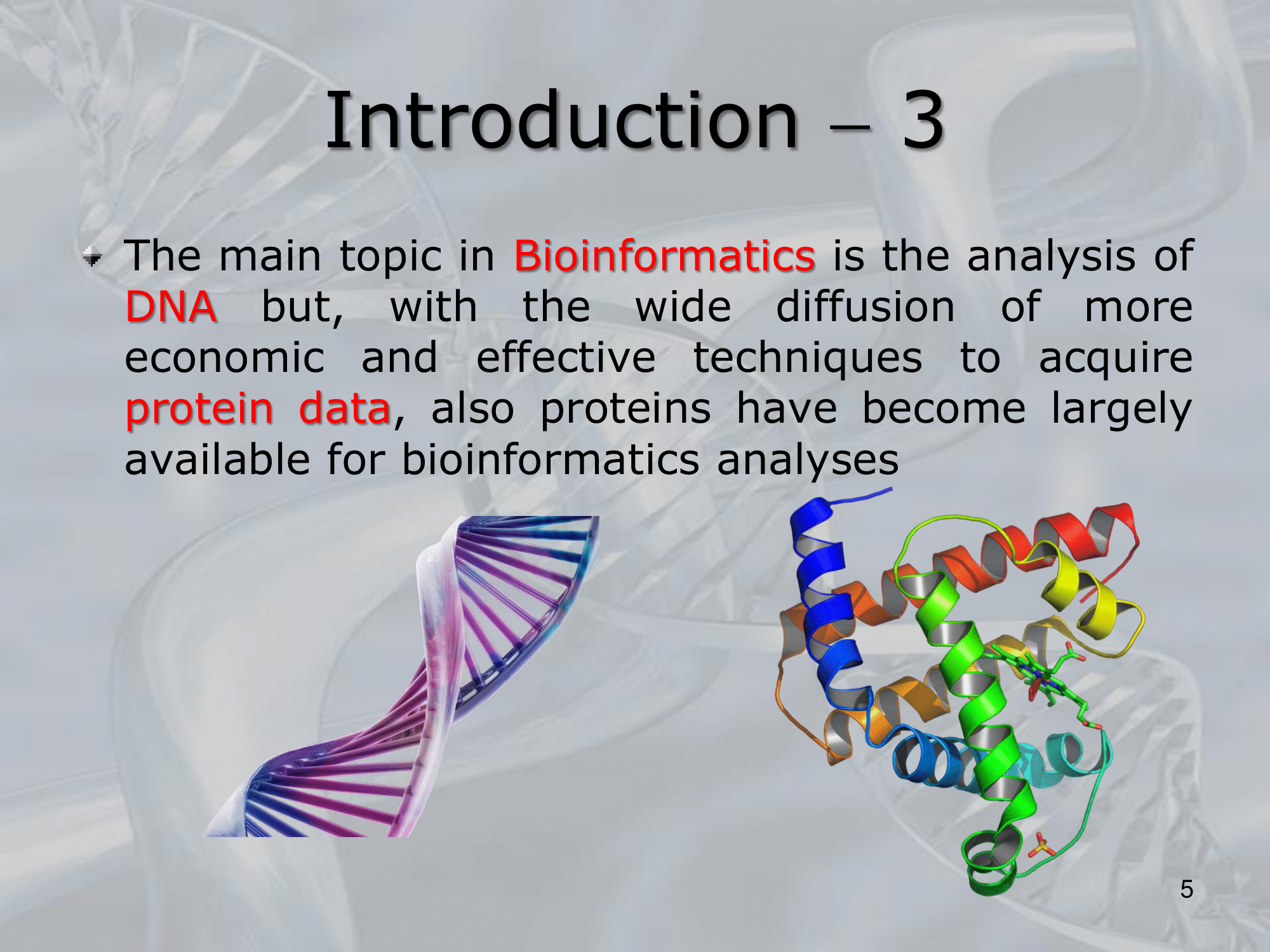
Sequence analysis methods include sequence alignment, motif discovery, and gene prediction. - Structural bioinformatics: This involves the analysis of the three-dimensional structures of proteins, nucleic acids, and other biomolecules.
Structural bioinformatics methods include protein structure prediction, molecular docking, and molecular dynamics simulations. - Systems biology: This involves the analysis of biological systems as a whole, including the interactions between genes, proteins, and other molecules.
Systems biology methods include network analysis, pathway analysis, and computational modeling. - Genomics: This involves the analysis of whole genomes, including genome assembly, annotation, and comparative genomics.
- Transcriptomics: This involves the analysis of gene expression patterns, including the identification of differentially expressed genes, alternative splicing events, and non-coding RNAs.
- Proteomics: This involves the analysis of the proteome, including protein identification, quantification, and post-translational modification analysis.
- Metagenomics: This involves the analysis of microbial communities, including the identification of species, functional analysis of genes, and characterization of microbial interactions.
- Pharmacogenomics: This involves the analysis of genetic variation in drug response, including the identification of genetic markers for drug efficacy and toxicity.
- Personalized medicine: This involves the use of genetic and clinical data to predict individual patient outcomes and identify personalized treatment options.
- Sequence analysis: This involves the analysis of nucleotide or amino acid sequences to identify genes, regulatory elements, and other functional features.
- These topics are often interconnected, and bioinformatics researchers often use a combination of methods from different areas to address complex biological questions.
- Bioinformatics is a broad field that covers a wide range of topics.
—————————————————————
Slides with Notes