Questions
- How is the Cell Membrane formed?
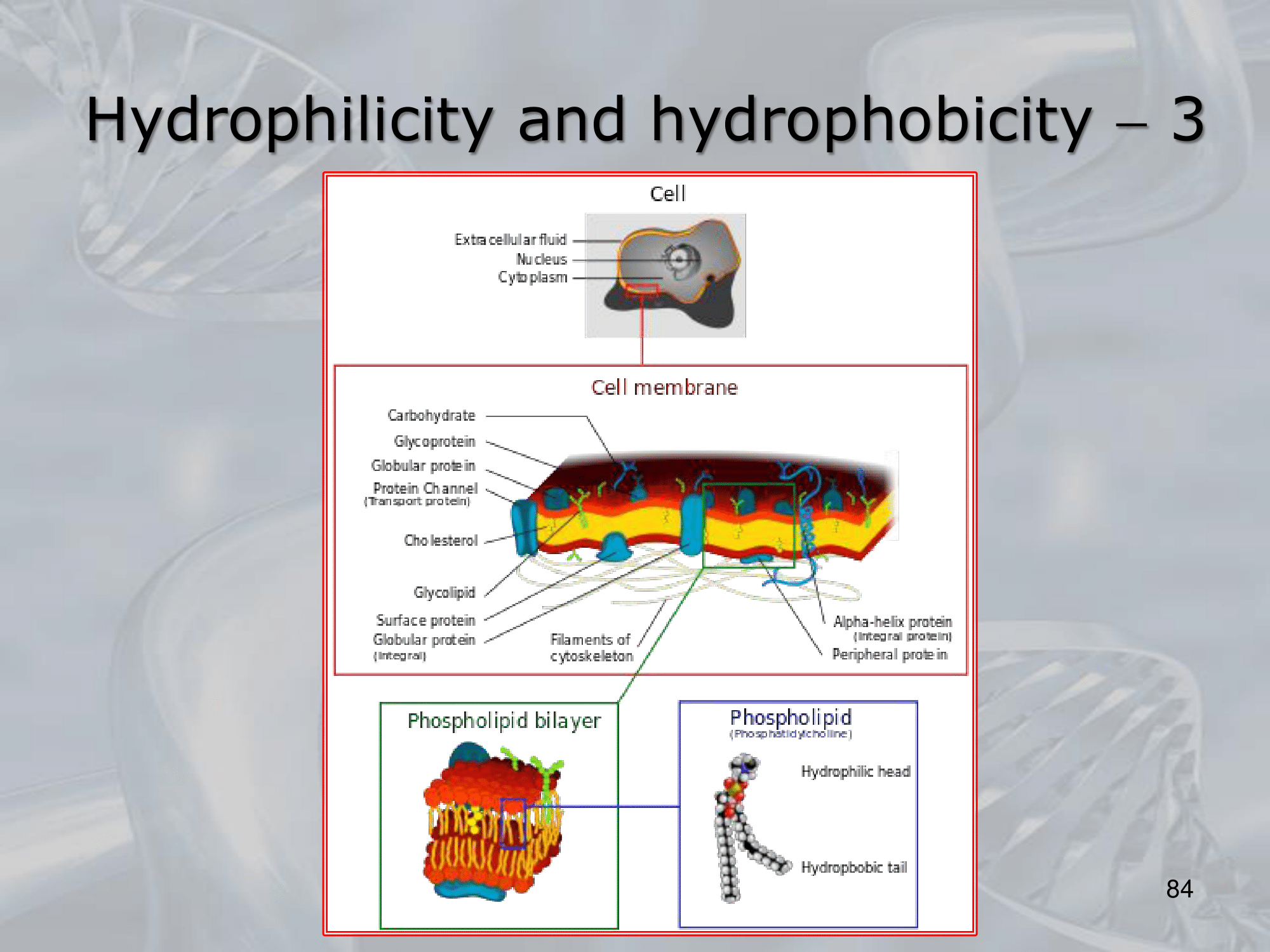
- ==The cell membrane is formed through a process known as lipid bilayer formation, which involves the arrangement of phospholipid molecules and other components into a stable, selectively permeable membrane==.
- ==Phospholipids are the primary components of the cell membrane, and they consist of a polar, hydrophilic head group (such as a phosphate group) and a nonpolar, hydrophobic tail (usually consisting of two long fatty acid chains)==.
In water, phospholipids spontaneously arrange themselves into a bilayer structure, with the hydrophilic head groups facing the aqueous environment on both sides of the membrane and the hydrophobic tails oriented towards each other in the center of the bilayer. - Other components, such as cholesterol and membrane proteins, can also be incorporated into the lipid bilayer to modify its properties and functions. Cholesterol, for example, helps to stabilize the membrane and regulate its fluidity, while membrane proteins serve a variety of functions such as transport, signal transduction, and structural support.
- The formation and maintenance of the lipid bilayer are essential for the integrity and function of the cell membrane.
The lipid bilayer acts as a barrier to prevent the free diffusion of most molecules across the membrane, while still allowing the selective transport of essential nutrients and waste products through specific transport proteins and channels.
IMPORTANTE
Slides with Notes
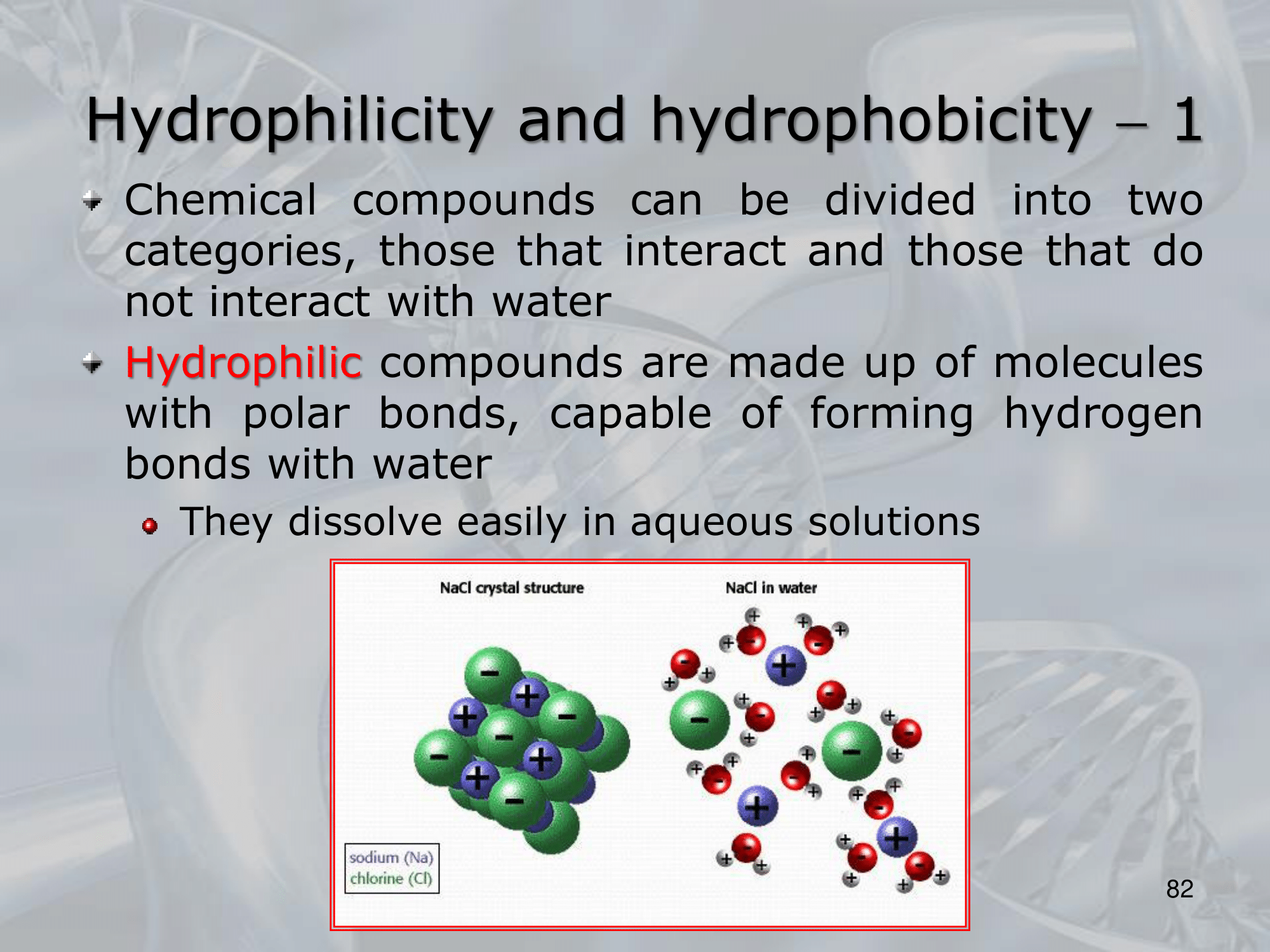
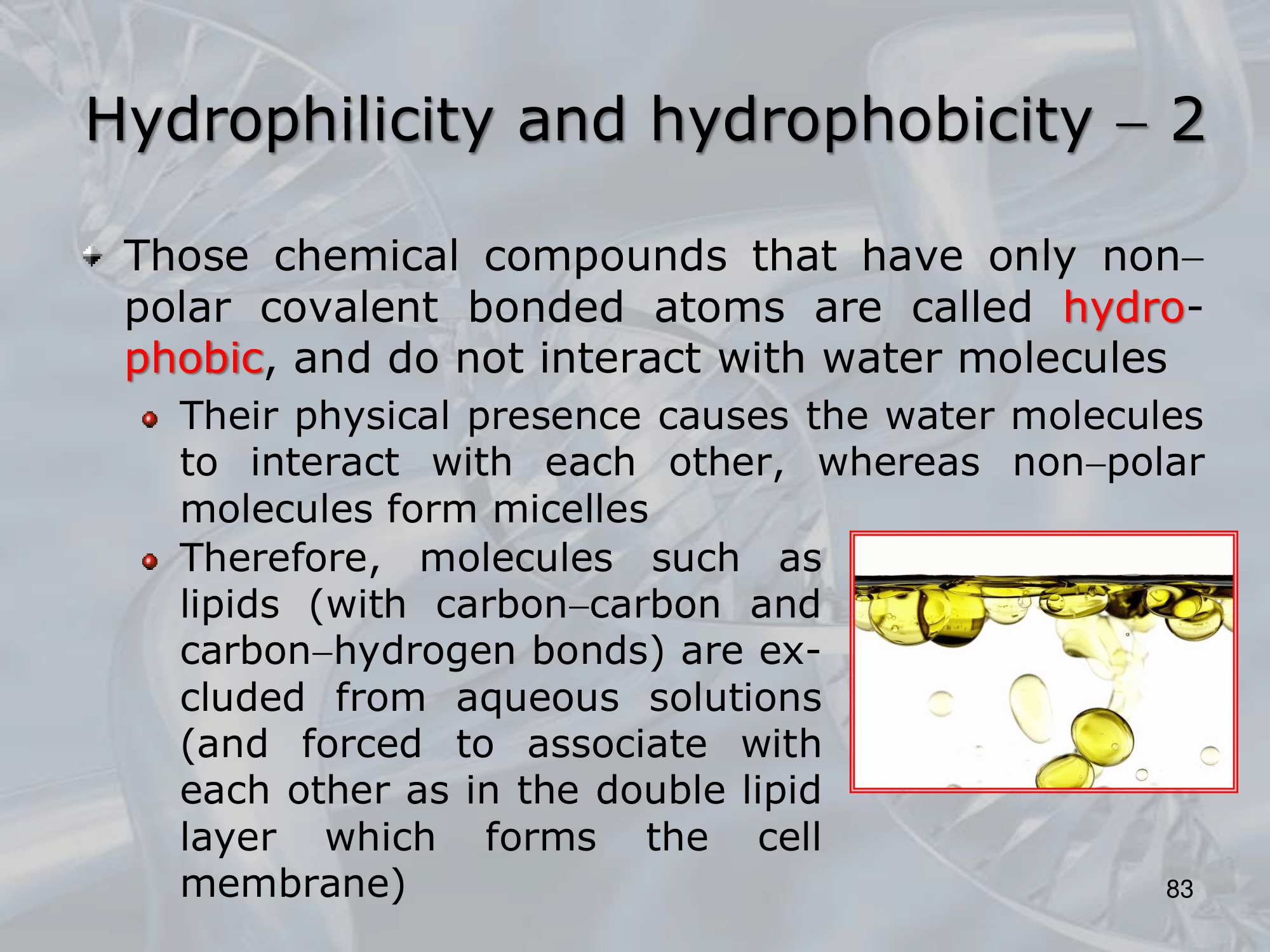
IMPORTANTE Hydrphilic: Made from polar molecules, so they can interact with water molecules (forming hydrogen bonds). #IMPORTANTE Hydrphobic: Do NOT interact with water molecules, in our bodies hybrophobic amino acids (and/or proteins) only interact with each other,