Questions
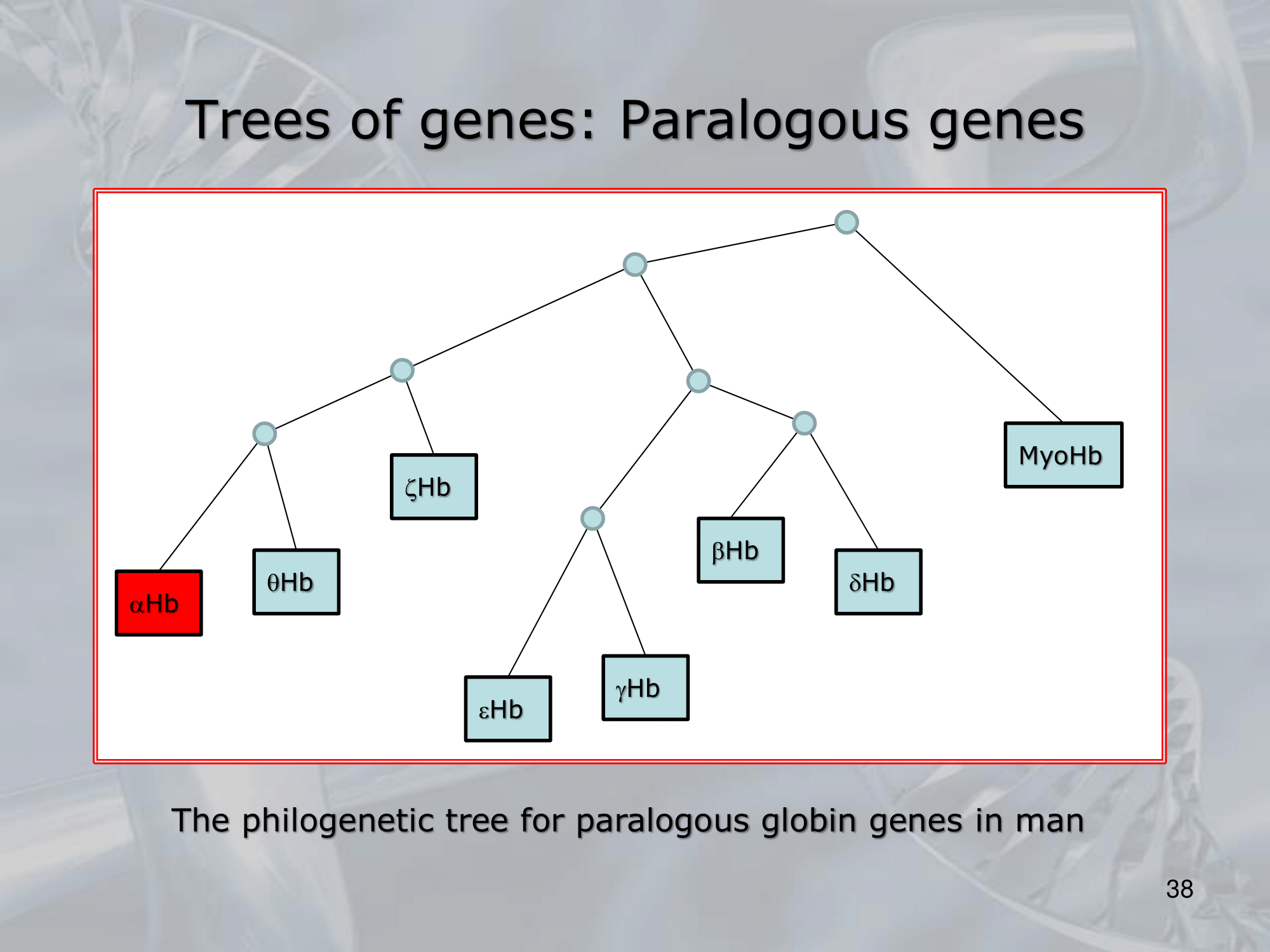
- What the Differences between Trees of Genes and Trees of Species?
- Trees of genes and trees of species are both types of phylogenetic trees that represent the evolutionary relationships between organisms.
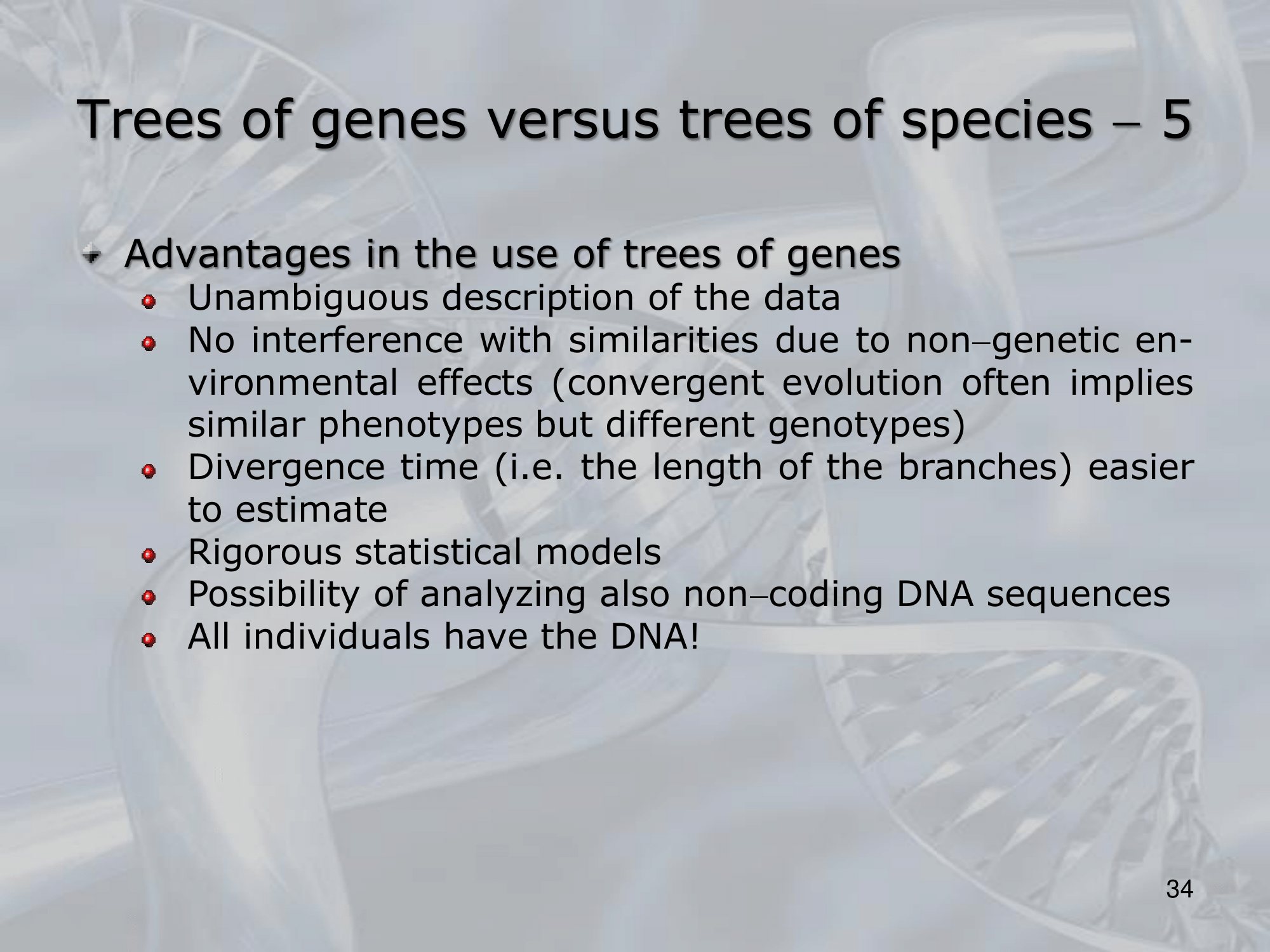
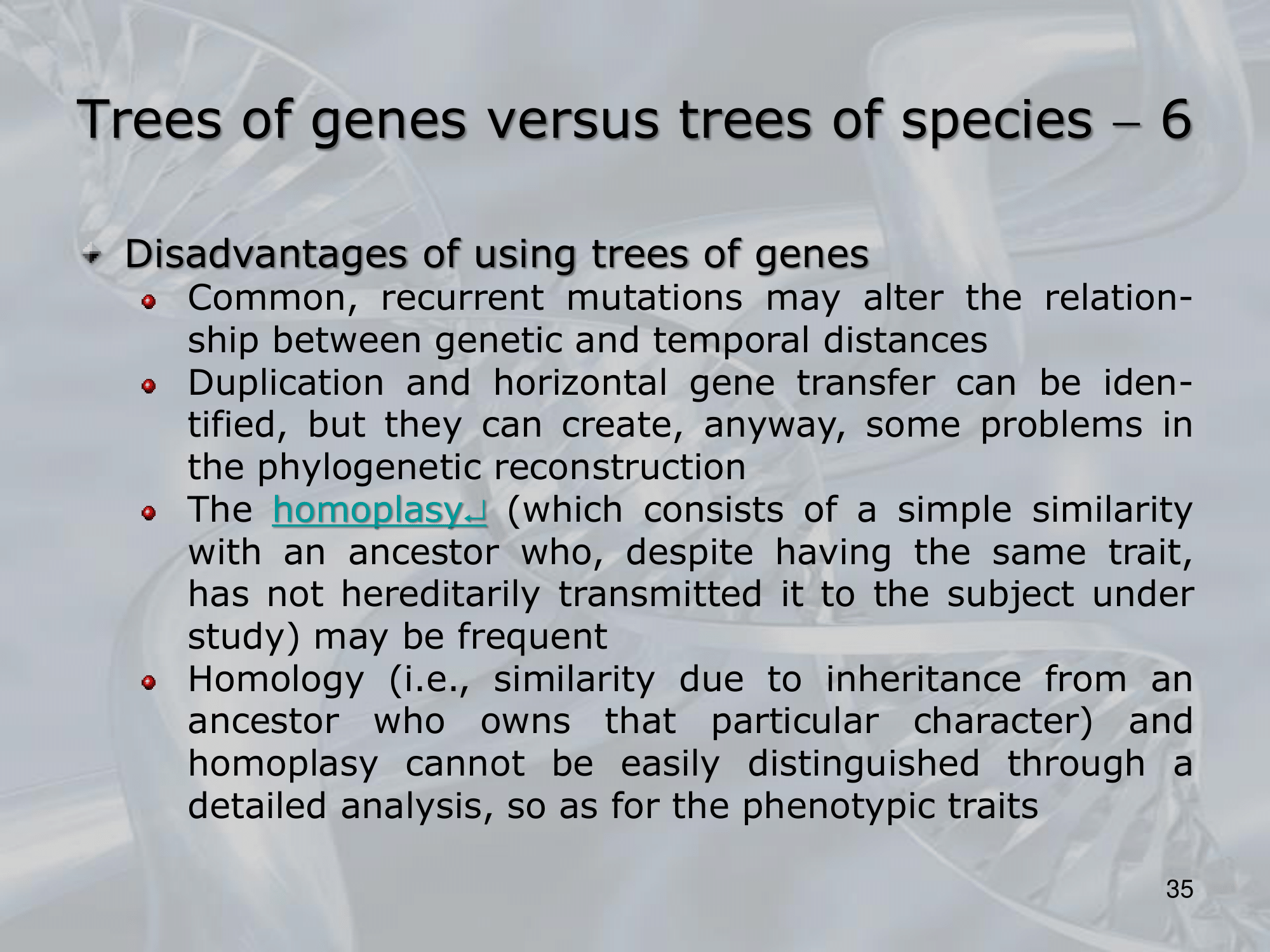
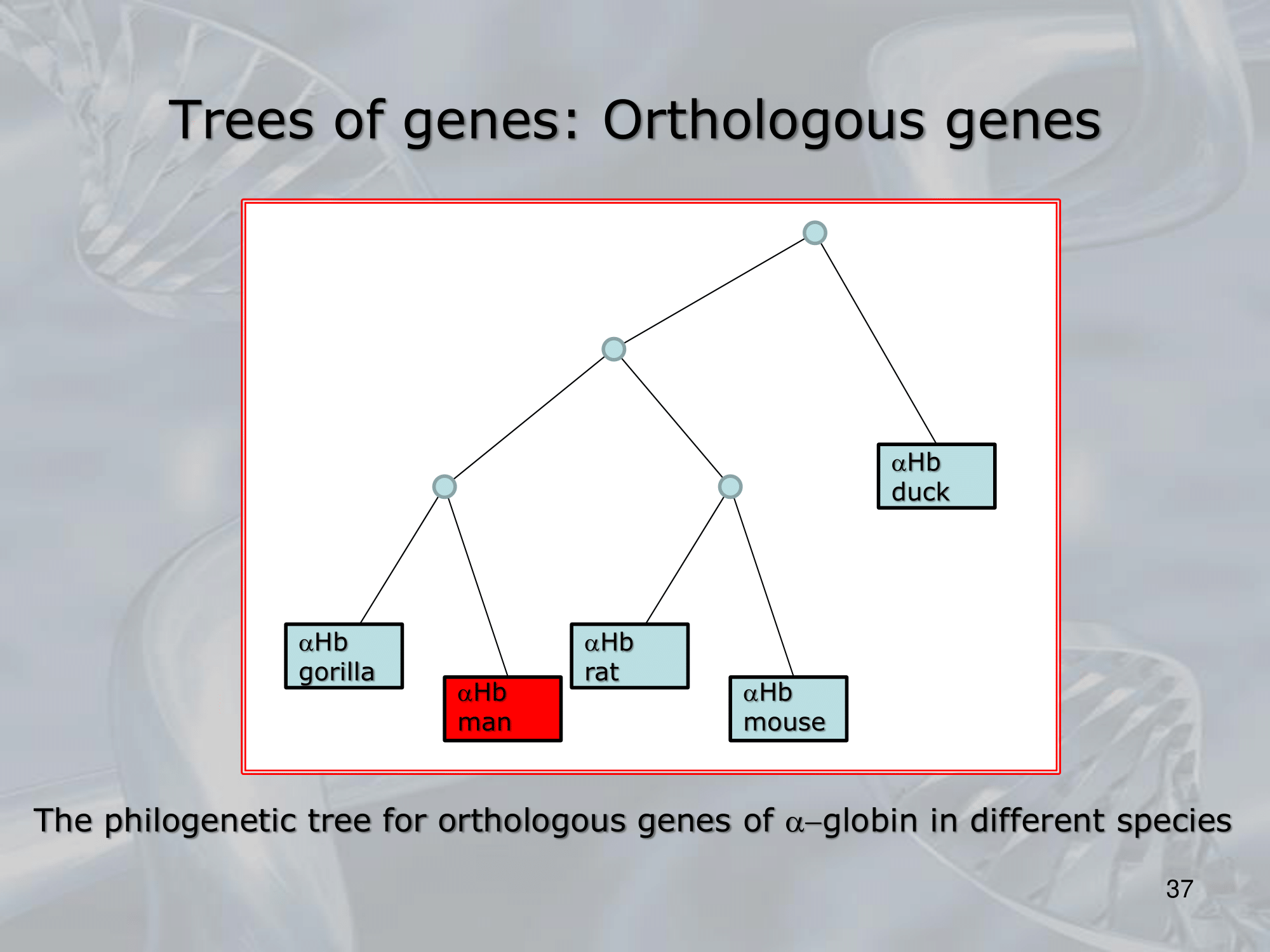
However, there are some differences between these two types of trees:- Units of analysis: The units of analysis for trees of genes are the sequences of genes or proteins, while the units of analysis for trees of species are the organisms themselves.
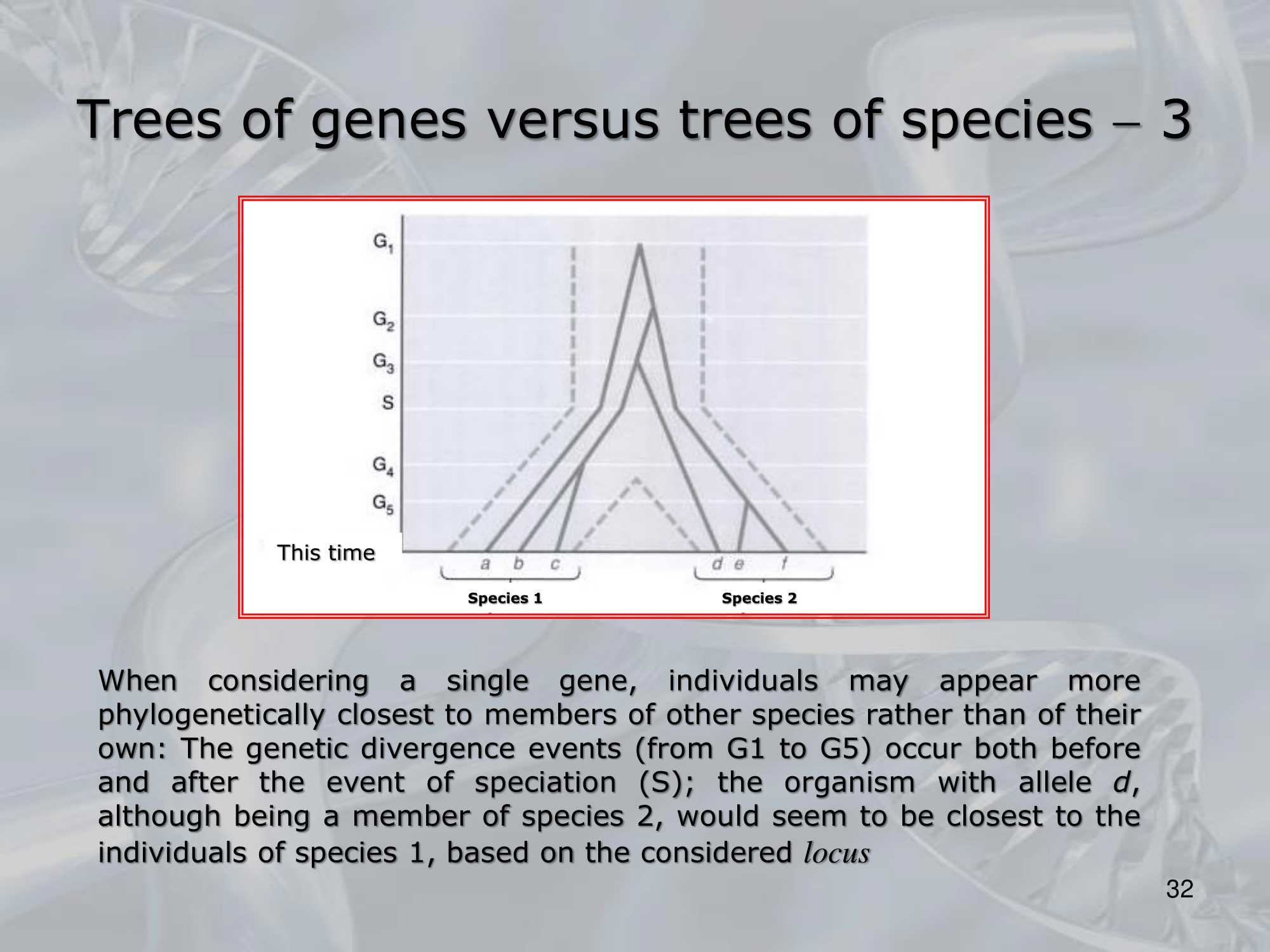
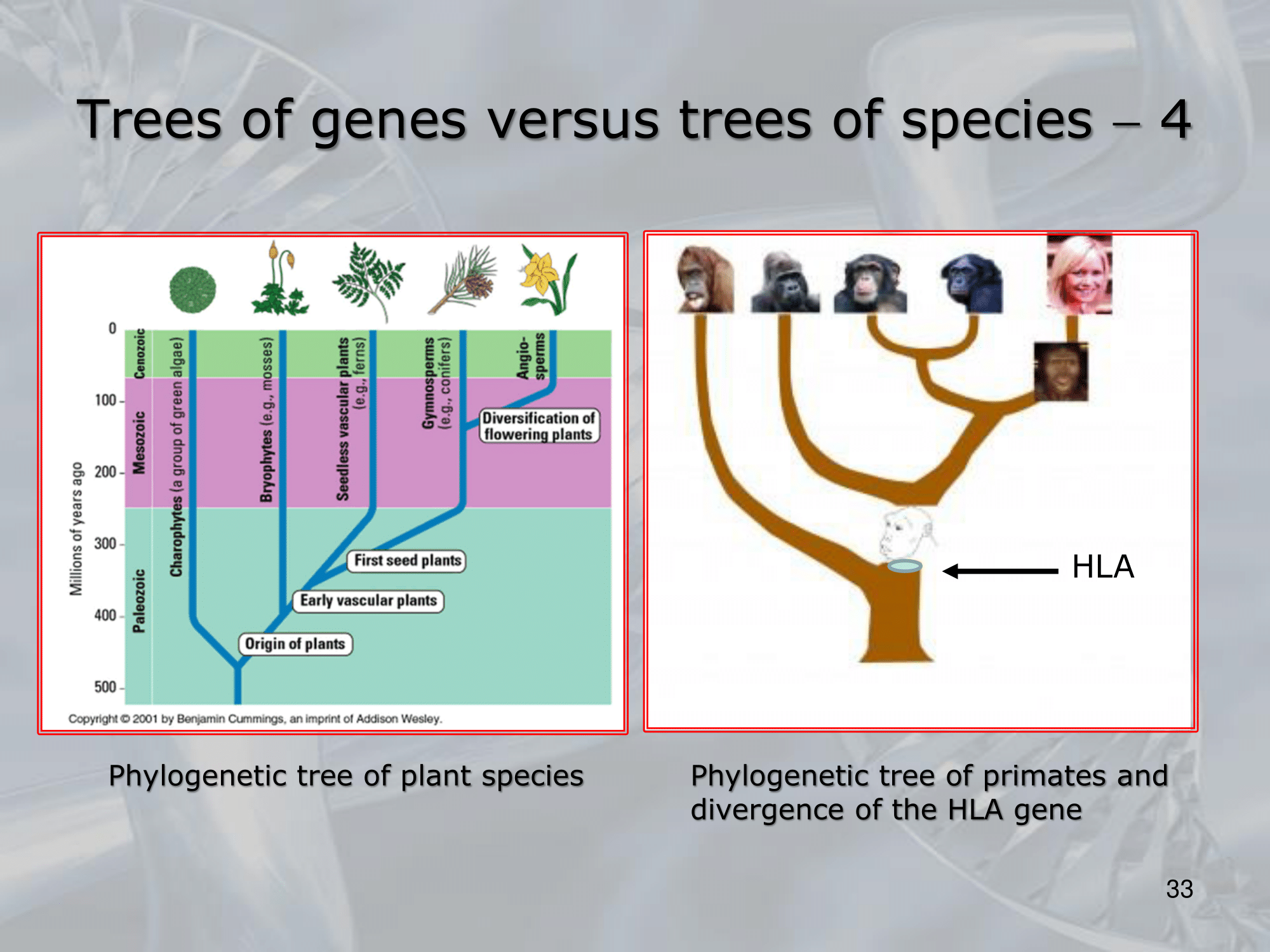
- Evolutionary processes: Trees of genes are constructed based on the evolutionary history of individual genes or proteins, which may undergo different evolutionary processes than the organisms that carry them. Trees of species, on the other hand, reflect the evolutionary history of the organisms themselves, including their speciation and diversification.
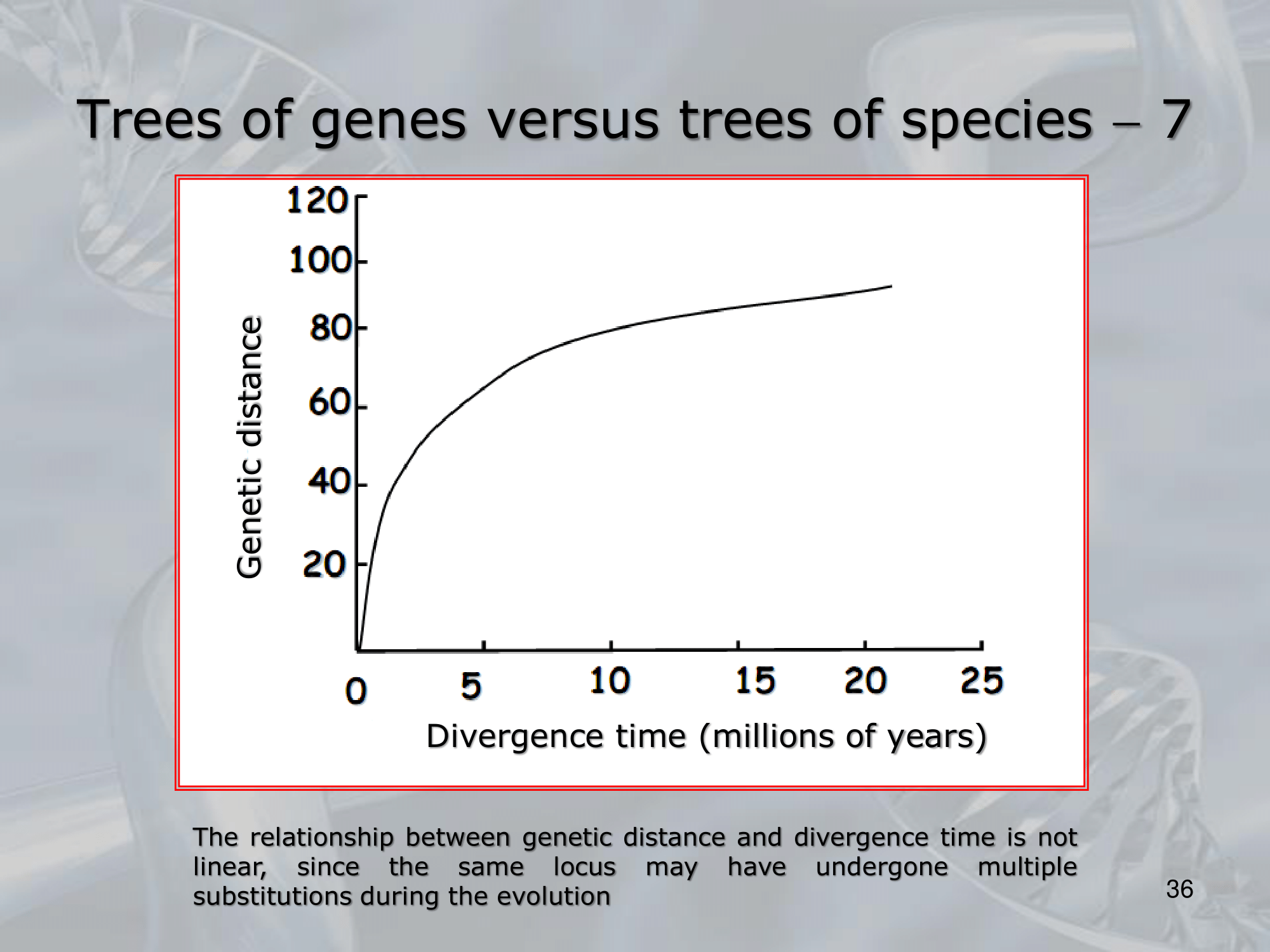
- Time scales: The time scales of trees of genes and trees of species can be quite different.
Trees of genes may reflect relatively recent evolutionary events, while trees of species can span much longer time periods. - Accuracy of inference: Trees of genes can be more accurate than trees of species when inferring evolutionary relationships among closely related organisms.
This is because genes evolve more rapidly than whole organisms and may accumulate enough differences to resolve relationships that are not apparent at the organismal level.
However, for distantly related organisms, trees of species can be more accurate because they reflect the entire evolutionary history of the organisms, rather than just a single gene or protein.
- Trees of genes and trees of species are both types of phylogenetic trees that represent the evolutionary relationships between organisms.
—————————————————————
Slides with Notes