Questions
- What is the Transcriptome?
- ==The transcriptome refers to the complete set of all RNA molecules, including mRNA, non-coding RNA, and other functional RNA species, that are produced in a particular cell or tissue at a specific time==.
It represents the complete catalog of all the genes that are actively being transcribed and expressed in a given biological sample. - Transcriptomic studies can be used to investigate gene expression patterns in different conditions, such as during development, disease, or in response to environmental stimuli.
These studies can provide insights into the molecular mechanisms underlying cellular processes and can help identify potential targets for drug development or biomarkers for disease diagnosis and prognosis. - The analysis of transcriptome data typically involves the use of bioinformatic tools to align RNA sequences to a reference genome, quantify gene expression levels, and identify differentially expressed genes across different conditions.
Techniques such as RNA sequencing (RNA-seq) have revolutionized transcriptomics, providing high-throughput, quantitative measurements of gene expression that are allowing researchers to explore the complexities of gene regulation in unprecedented detail.
- ==The transcriptome refers to the complete set of all RNA molecules, including mRNA, non-coding RNA, and other functional RNA species, that are produced in a particular cell or tissue at a specific time==.
- What is the Proteome?
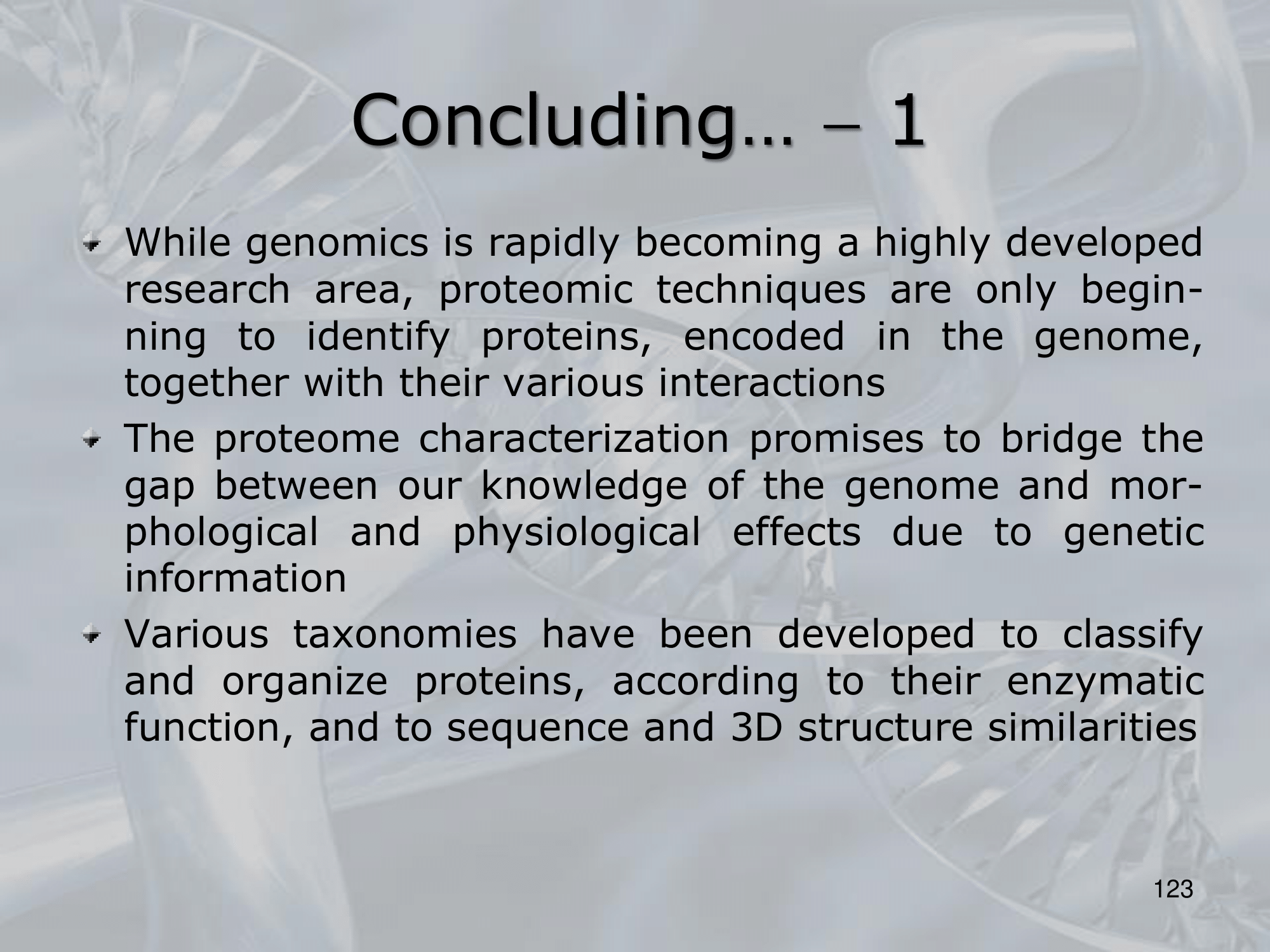
- The proteome refers to the complete set of all proteins expressed by a particular cell, tissue, or organism at a given time.
Proteins are the functional units of the cell and play critical roles in a wide range of cellular processes, including metabolism, signaling, and gene expression. - ==The proteome is much more complex than the genome, as the number of proteins that can be produced from a single gene can vary greatly due to alternative splicing, post-translational modifications, and protein degradation==.
Additionally, the proteome can change dynamically in response to different environmental and physiological conditions. - Proteomic studies involve the identification, quantification, and characterization of proteins in a biological sample.
Techniques such as mass spectrometry and protein microarrays are commonly used to identify and quantify proteins in complex mixtures.
Bioinformatic tools are then used to analyze the resulting data and identify differentially expressed or modified proteins that may be associated with a particular disease or biological process. - Proteomics has emerged as a powerful tool for drug discovery, biomarker identification, and understanding the molecular mechanisms underlying complex diseases.
- The proteome refers to the complete set of all proteins expressed by a particular cell, tissue, or organism at a given time.
- What are Isoforms?
- ==In genetics, isoforms refer to different versions of the same gene that arise from alternative splicing or alternative promoter usage during transcription==.
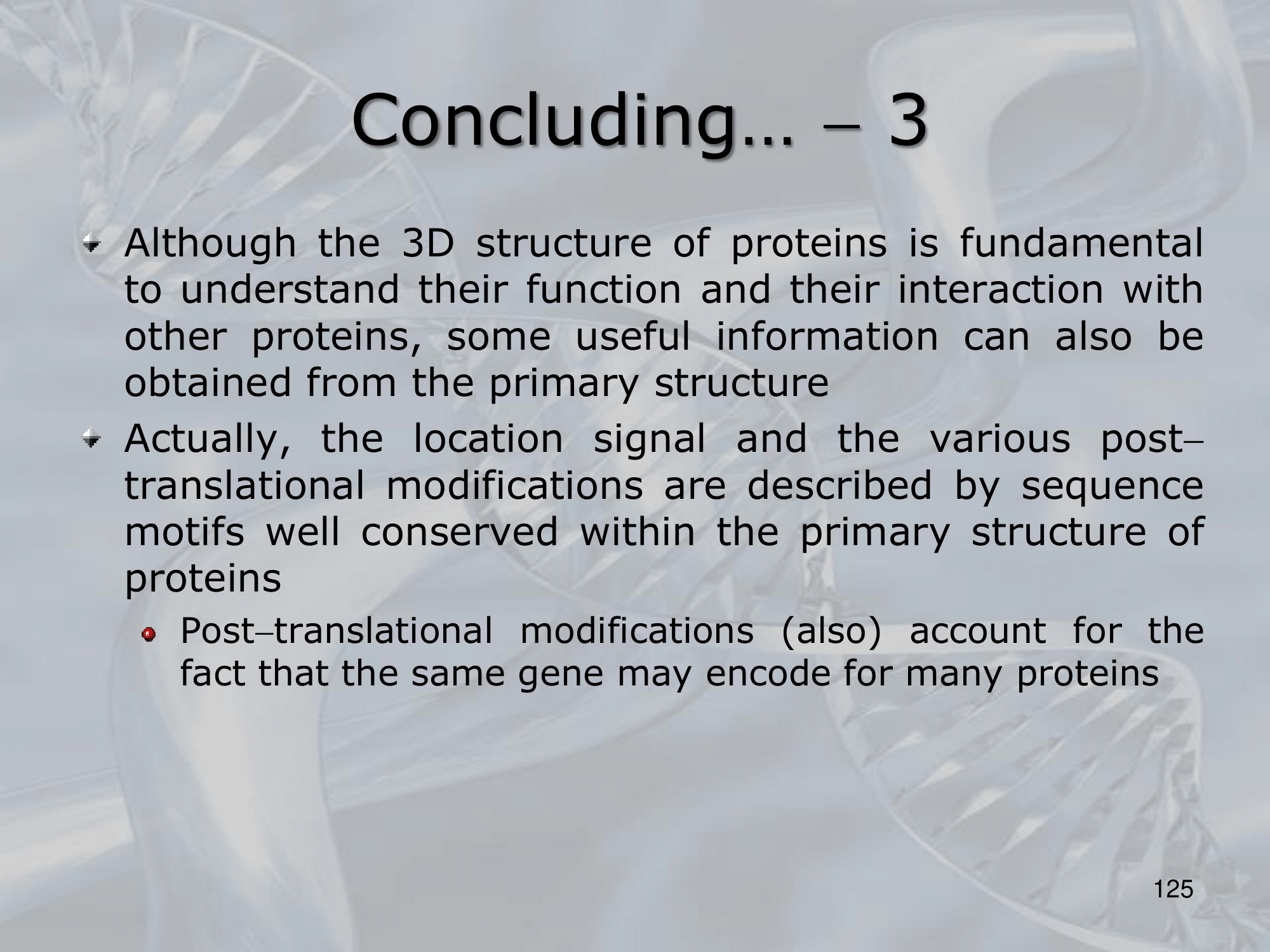
Alternative splicing is a process by which different exons of a pre-mRNA transcript are spliced together to generate different mature mRNA transcripts. This process allows for the generation of multiple protein isoforms from a single gene. - Isoforms can differ in their protein-coding sequences, resulting in differences in protein structure, function, and expression patterns.
They may also have different regulatory sequences that affect their transcription, translation, or stability. - Isoform diversity is thought to be an important mechanism for increasing the functional complexity of genomes. It allows organisms to produce different protein isoforms that can perform specialized functions in different tissues or developmental stages.
- Isoform analysis is an important aspect of transcriptomic and proteomic studies. Researchers may use techniques such as RNA-seq and mass spectrometry to identify and quantify different isoforms of a gene or protein in different conditions, helping to elucidate their roles in cellular processes and disease.
- ==In genetics, isoforms refer to different versions of the same gene that arise from alternative splicing or alternative promoter usage during transcription==.
- What is the Aim of Proteomics?
- The aim of proteomics is to study the complete set of proteins expressed by a cell, tissue, or organism at a given time, and to gain insights into their structure, function, regulation, and interactions.
Proteomics research aims to answer fundamental biological questions such as:- What are the proteins expressed in a particular tissue or cell type, and how do their expression patterns change in response to different stimuli or disease conditions?
- What are the functions of individual proteins and how do they interact with each other to form complex biological networks?
- How are proteins regulated at the post-transcriptional and post-translational levels, and how do these modifications affect their activity and localization?
- How can we use proteomic data to identify new drug targets or develop personalized medicine approaches?
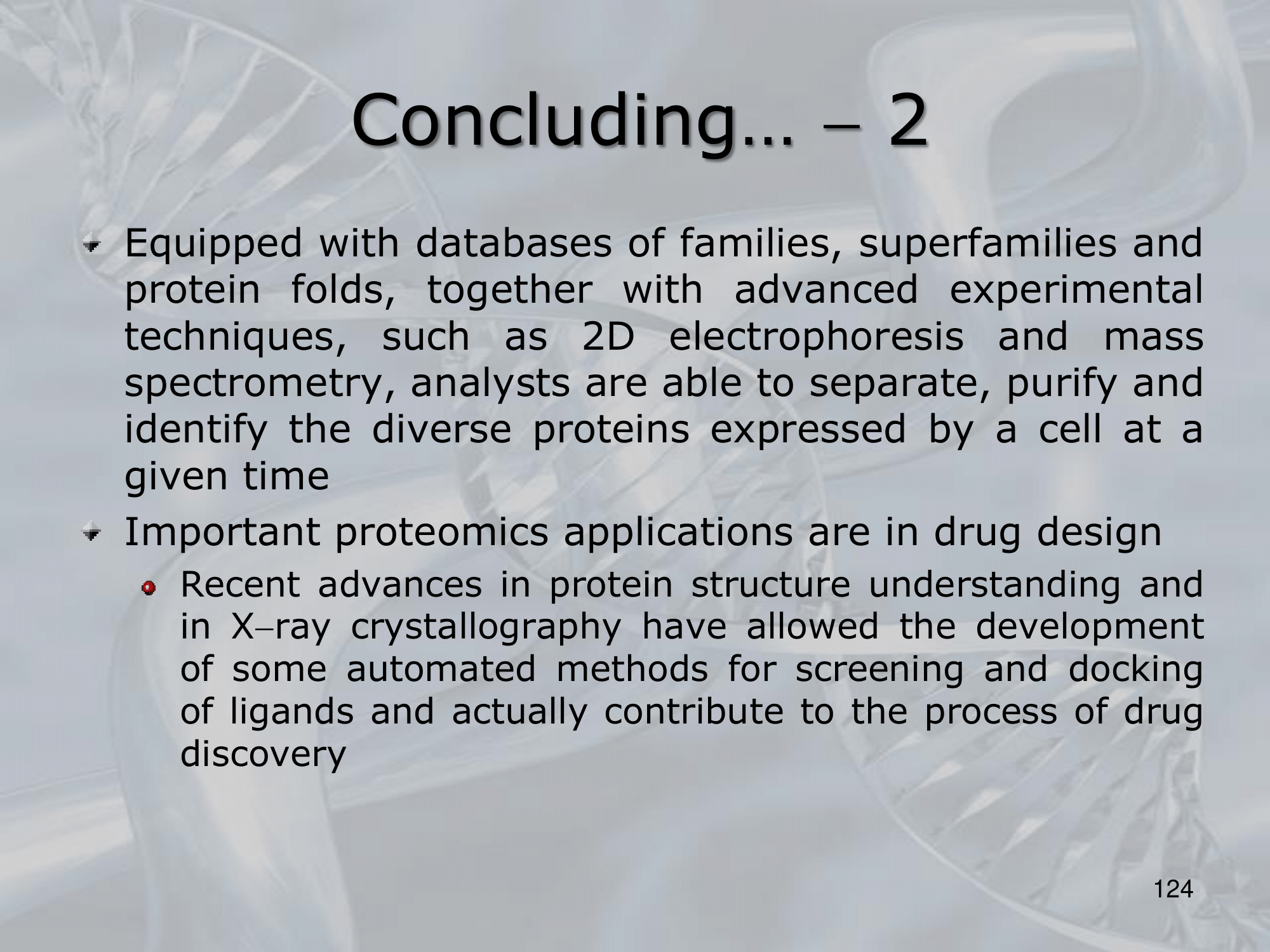
- To achieve these aims, proteomics researchers use a range of techniques to identify and quantify proteins in biological samples, including mass spectrometry, protein microarrays, and imaging techniques.
Bioinformatics tools are then used to analyze the resulting data, identify differentially expressed or modified proteins, and create protein interaction networks. - Proteomics has the potential to revolutionize our understanding of biology and disease, providing a deeper understanding of the molecular mechanisms underlying cellular processes, and leading to the development of new therapies and diagnostic tools.
- The aim of proteomics is to study the complete set of proteins expressed by a cell, tissue, or organism at a given time, and to gain insights into their structure, function, regulation, and interactions.
- What are Functional Proteomics and Expression Proteomics?
- Functional proteomics and expression proteomics are two approaches within the field of proteomics that aim to study different aspects of protein function and expression.
- ==Functional proteomics refers to the study of protein function and activity, including their interactions with other proteins, nucleic acids, and small molecules==.
The goal of functional proteomics is to identify the functions of proteins in specific biological processes or disease pathways, and to understand how these functions are regulated.
Functional proteomics techniques may include protein-protein interaction assays, protein-ligand binding assays, enzyme activity assays, and protein modification assays.
These techniques are typically used to identify and characterize the functions of individual proteins or protein complexes in vitro and in vivo. - ==Expression proteomics, on the other hand, refers to the study of protein expression levels and changes in protein expression patterns in response to different stimuli or disease conditions==.
The goal of expression proteomics is to identify differentially expressed proteins and to understand how changes in protein expression levels contribute to biological processes or disease states.
Expression proteomics techniques may include quantitative proteomic approaches such as stable isotope labeling by amino acids in cell culture (SILAC), tandem mass tags (TMT), or label-free quantification.
- ==Functional proteomics refers to the study of protein function and activity, including their interactions with other proteins, nucleic acids, and small molecules==.
- These techniques allow for the identification and quantification of thousands of proteins in complex mixtures and can be used to study protein expression patterns in different tissues or disease states.
- Overall, functional proteomics and expression proteomics are complementary approaches within the field of proteomics, both aiming to provide a deeper understanding of the functions and regulation of proteins in complex biological systems.
- Functional proteomics and expression proteomics are two approaches within the field of proteomics that aim to study different aspects of protein function and expression.
—————————————————————
IMPORTANTE
IMPORTANTE When we use the suffix “-ome” we mean a set of objects. ⇒ Genome: the whole set of genetic materials describing an organism. ⇒ Proteome: the set of its proteins. #IMPORTANTE Genes are simpler to study than proteins, Proteins are much more complicated molecules. ⇒ The alphabet of genes has 4 letters, the alphabet of proteins has 20. ⇒ Proteins also are subject to post-translation modification.
IMPORTANTE Proteins are the engines of the cell, they do what is needed to do. #IMPORTANTE A single gene can create more than a single type of protein, for example the alternative splice, that allows on average the production of 4-5 different proteins from a single gene, more over there are post-translation modification that can alter a protein after it has been translated from ( mRNANOT_SURE_ABOUT_THIS ), so to a single gene corresponds many proteins:
#IMPORTANTE The DNA of an organism is not sufficient to completely understand it, we need to study its proteins.
IMPORTANTE Isoforms: Different types/form of proteins coming from the same gene. #IMPORTANTE Some proteins to become useful, must be moved inside or outside the cell.
IMPORTANTE Proteomics aims:
- Genomics integrated strategies: study of the proteome to support genomics studies, we can use both these information to understand life.
- Study of post-translation modifications
- Identification of novel protein targets for drugs: because, proteins are the main target for drugs.
- Analysis of tumor tissues
- Comparison between: normal tissue, diseased tissue and pharmacologically treated tissue.
IMPORTANTE Functional Proteomics: aims at definining the biologcial function of a protein, and how it can interact with other proteins (“protein-protein interaction”). #IMPORTANTE Expression Proteomic: Study of the different proteins in a tissue, the absence, the presence or some different quantity levels, are potential biomarkers of a physiological and/or a pathological situation
—————————————————————
Slides with Notes
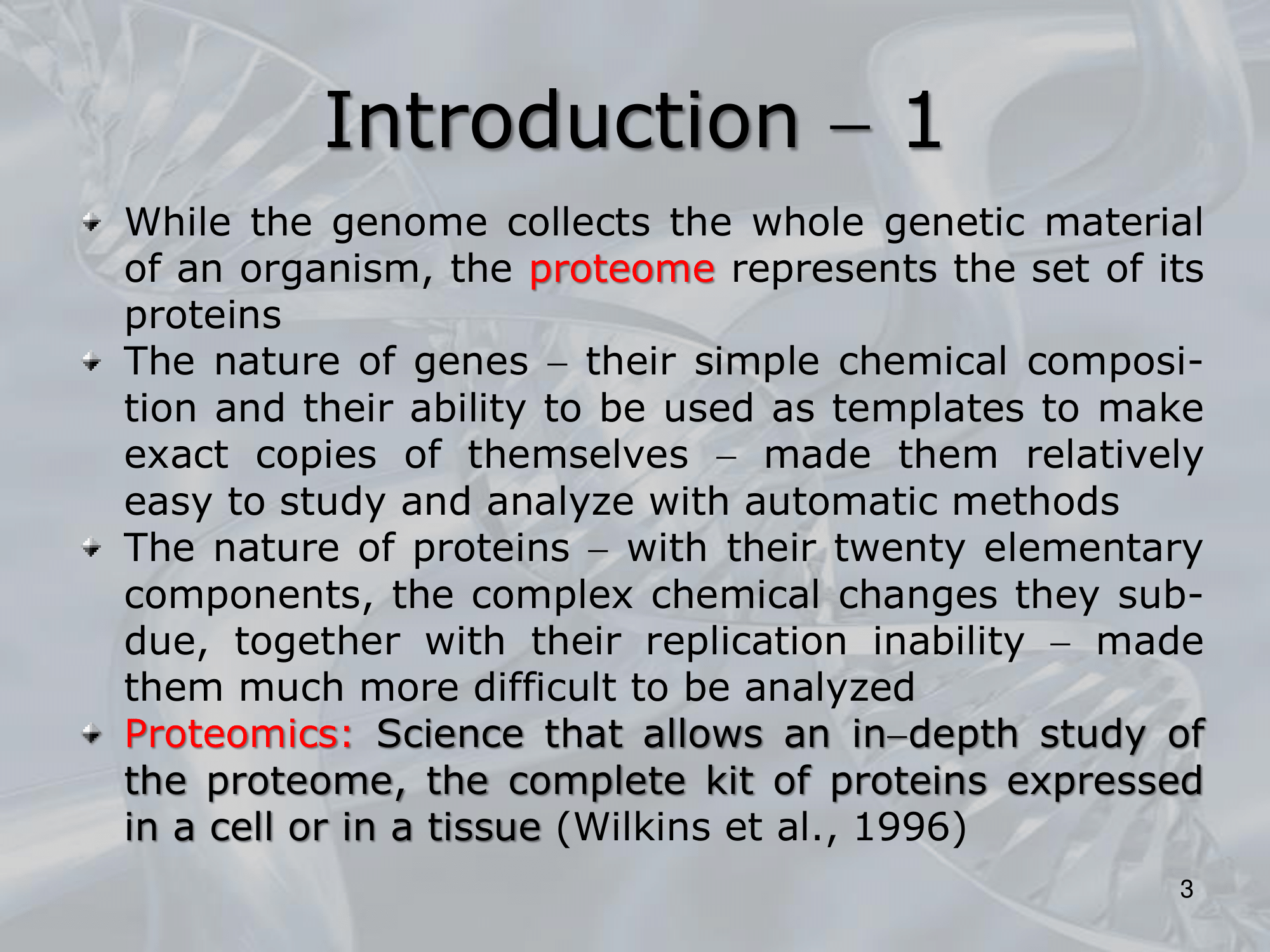
IMPORTANTE When we use the suffix “-ome” we mean a set of objects. ⇒ Genome: the whole set of genetic materials describing an organism. ⇒ Proteome: the set of its proteins. #IMPORTANTE Genes are simpler to study than proteins, Proteins are much more complicated molecules. ⇒ The alphabet of genes has 4 letters, the alphabet of proteins has 20. ⇒ Proteins also are subject to post-translation modification.
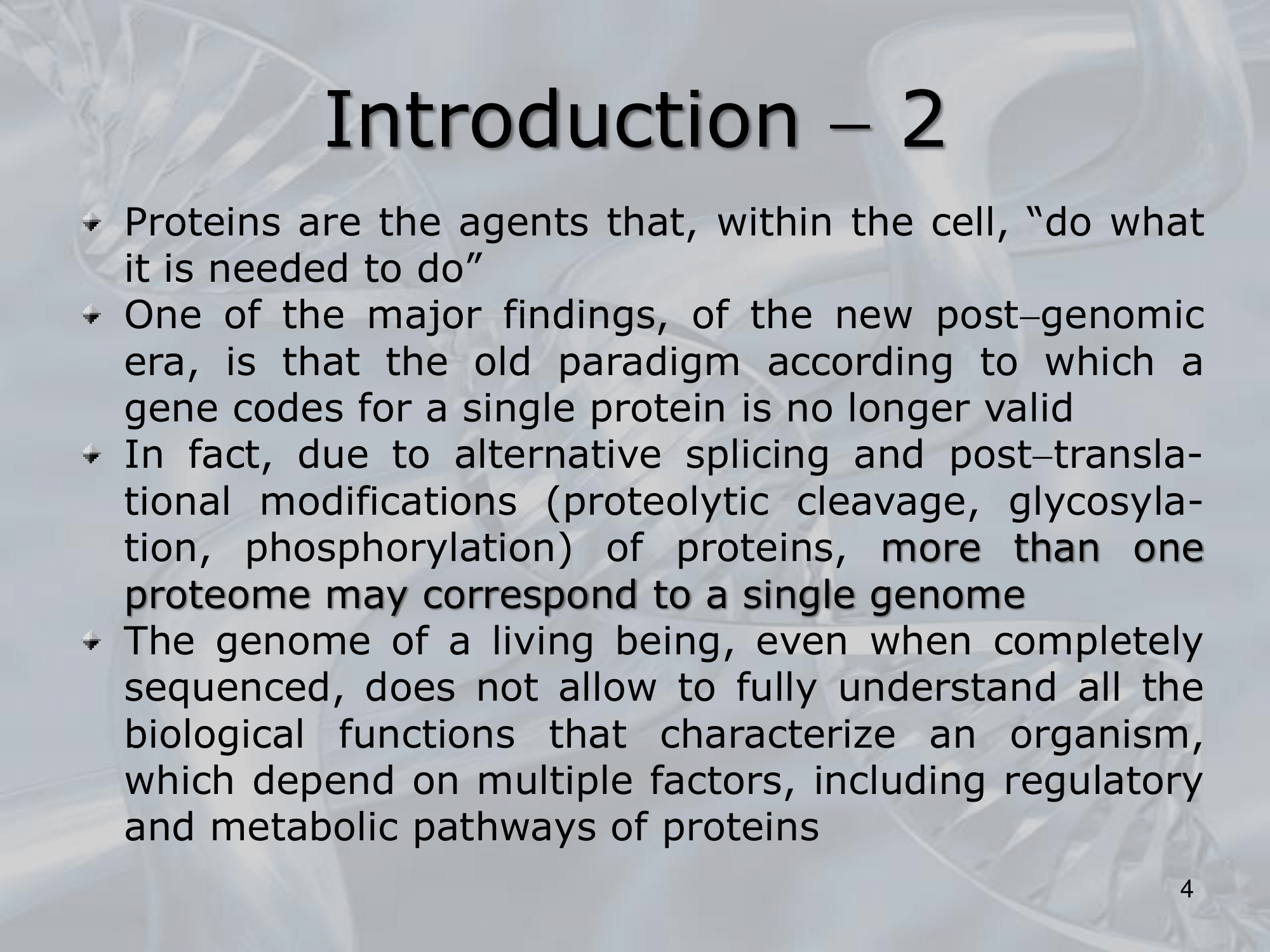
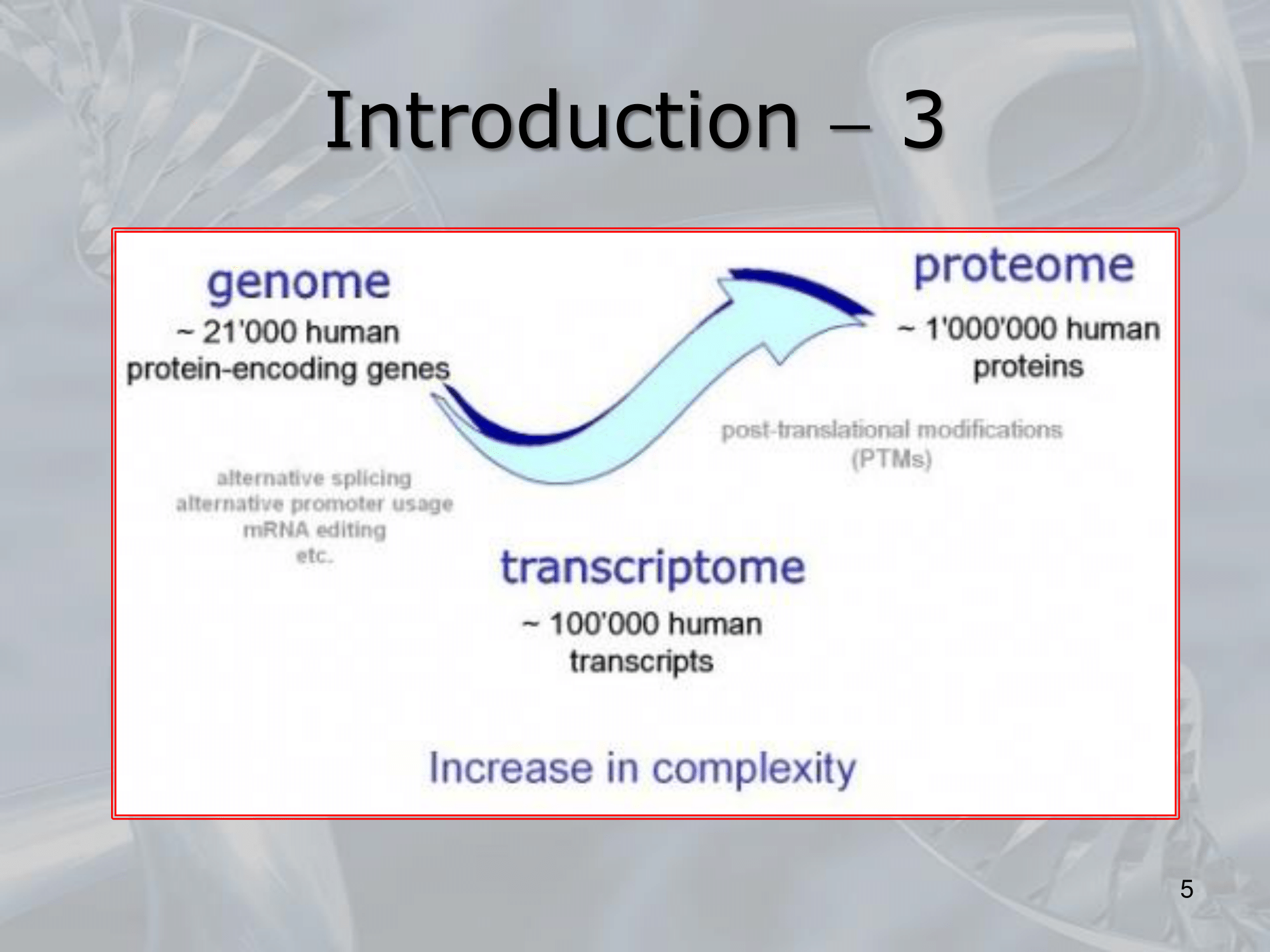
IMPORTANTE Proteins are the engines of the cell, they do what is needed to do. #IMPORTANTE A single gene can create more than a single type of protein, for example the alternative splice, that allows on average the production of 4-5 different proteins from a single gene, more over there are post-translation modification that can alter a protein after it has been translated from ( mRNANOT_SURE_ABOUT_THIS ), so to a single gene corresponds many proteins:
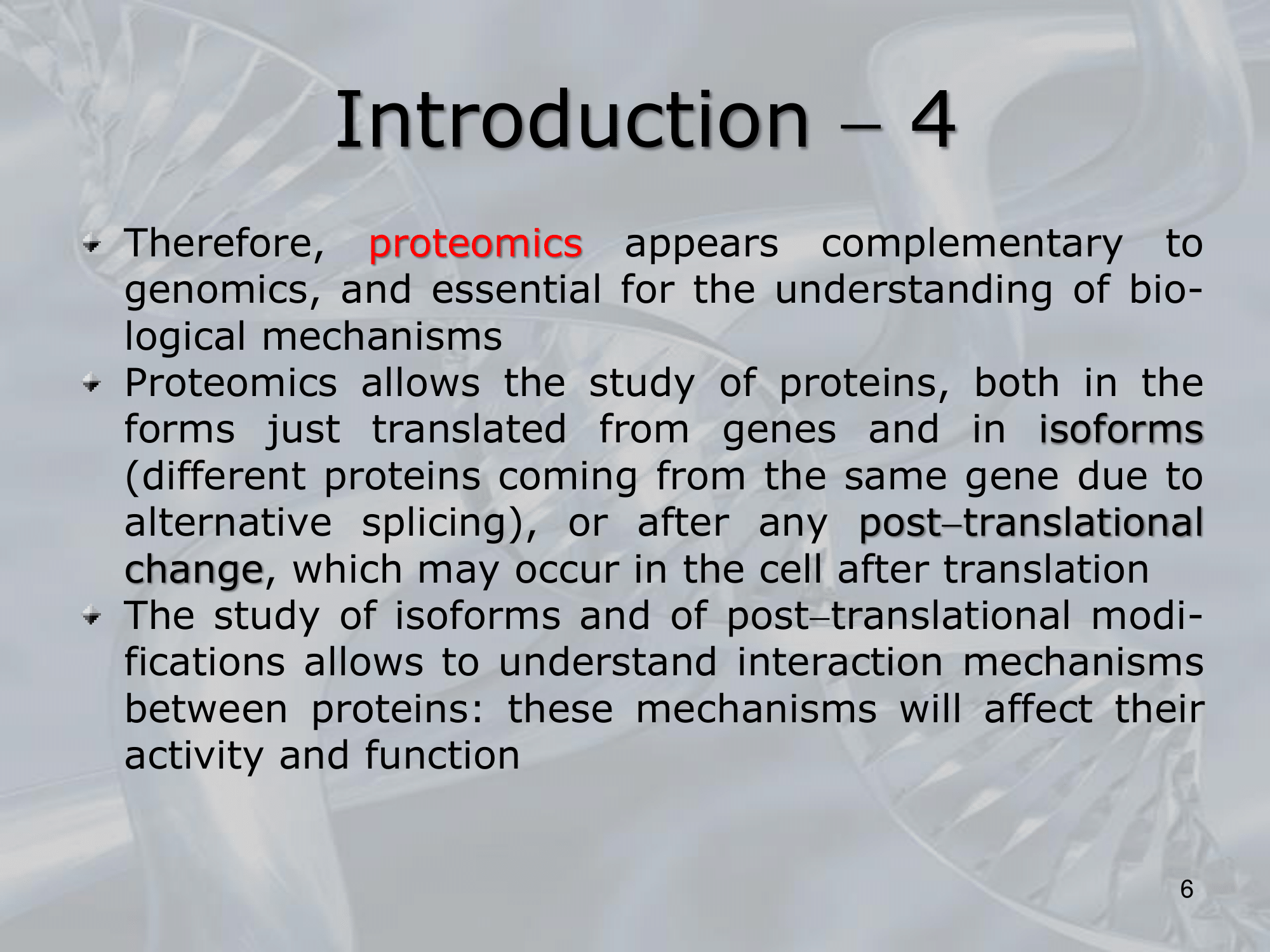
IMPORTANTE Isoforms: Different types/form of proteins coming from the same gene. #IMPORTANTE Some proteins to become useful, must be moved inside or outside the cell.
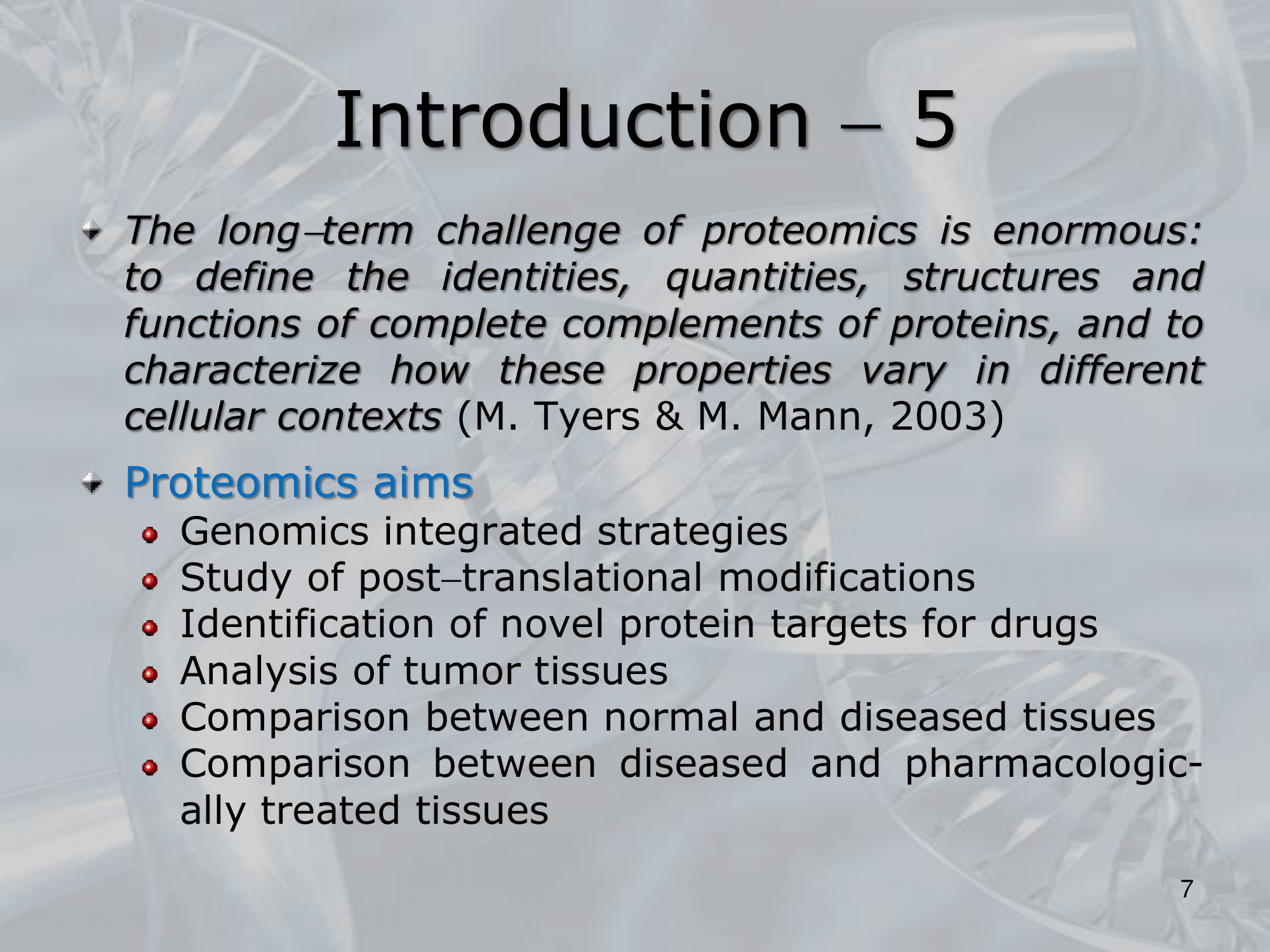
IMPORTANTE Proteomics aims*:
- Genomics integrated strategies: study of the proteome to support genomics studies, we can use both these information to understand life.
- Study of post-translation modifications
- Identification of novel protein targets for drugs: because, proteins are the main target for drugs.
- Analysis of tumor tissues
- Comparison between: normal tissue, diseased tissue and pharmacologically treated tissue.
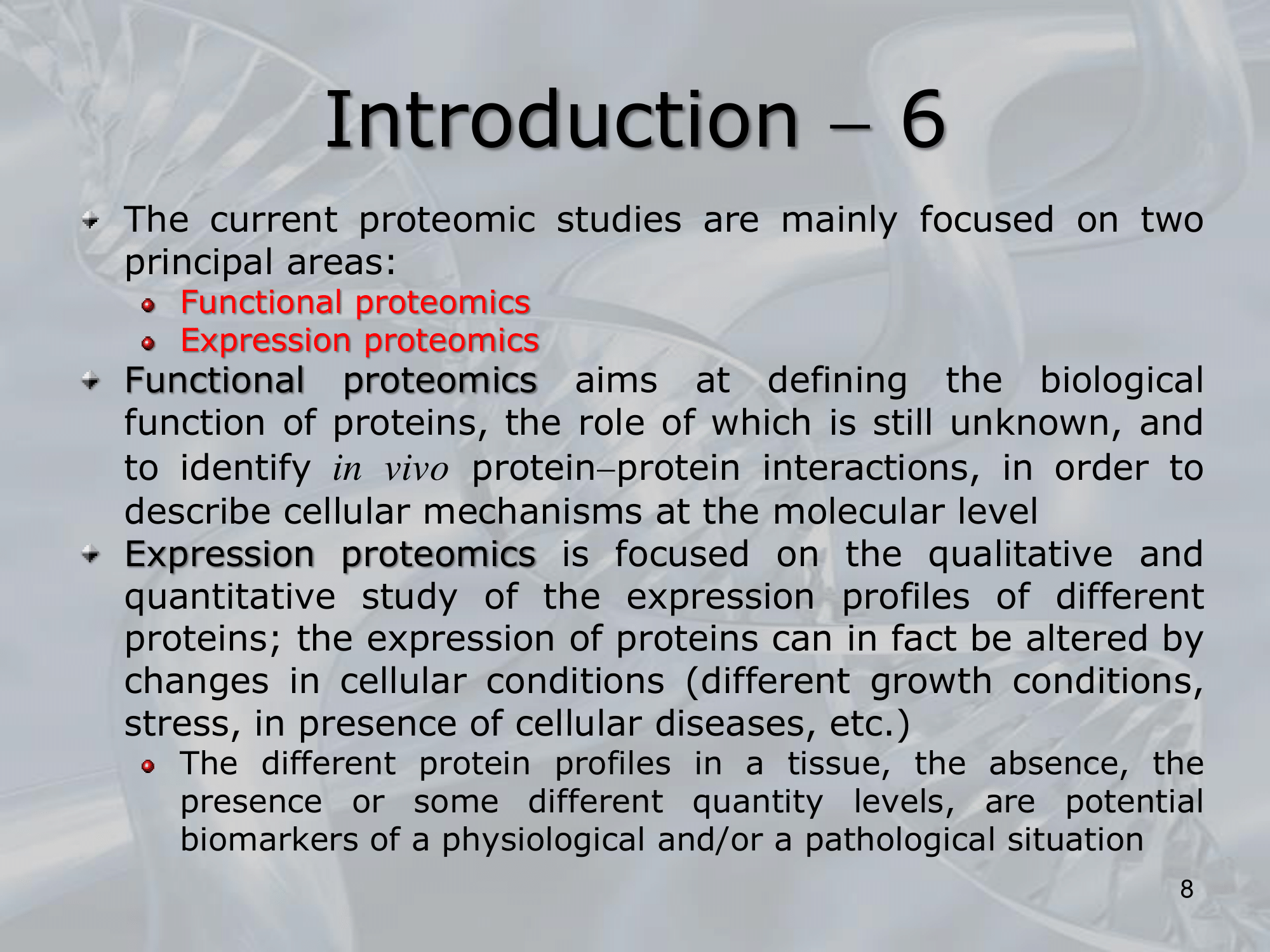
IMPORTANTE Functional Proteomics: aims at definining the biologcial function of a protein, and how it can interact with other proteins (“protein-protein interaction”). #IMPORTANTE Expression Proteomic: Study of the different proteins in a tissue, the absence, the presence or some different quantity levels, are potential biomarkers of a physiological and/or a pathological situation