Biology Introduction
The foundation of biology stands on four pillars
- Cell Theory
- Evolution
- Genetics
- Homeostasis
Cell Theory
All leaving beings are composed of cells All cells arise from cell division Cells are able to:
- Grow
- Produce proteins
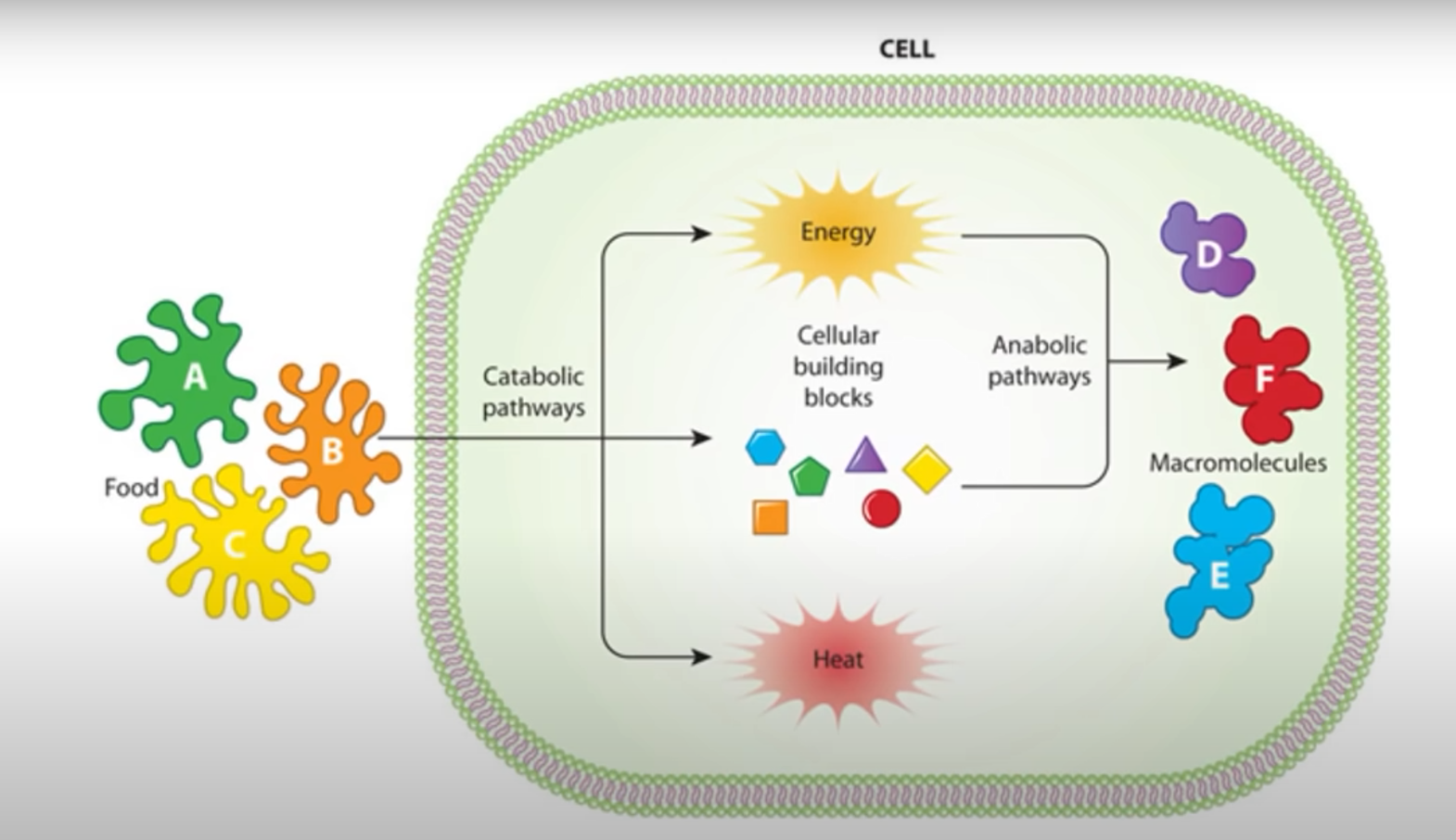
- Divide and multiply thanks to metabolism, which is the process of converting food into energy and building materials (the four macromolecules).
Genetics
One of the cell’s main function is to store data of the organism they are part of. These data is stored in a special molecule called DNA (TODO )
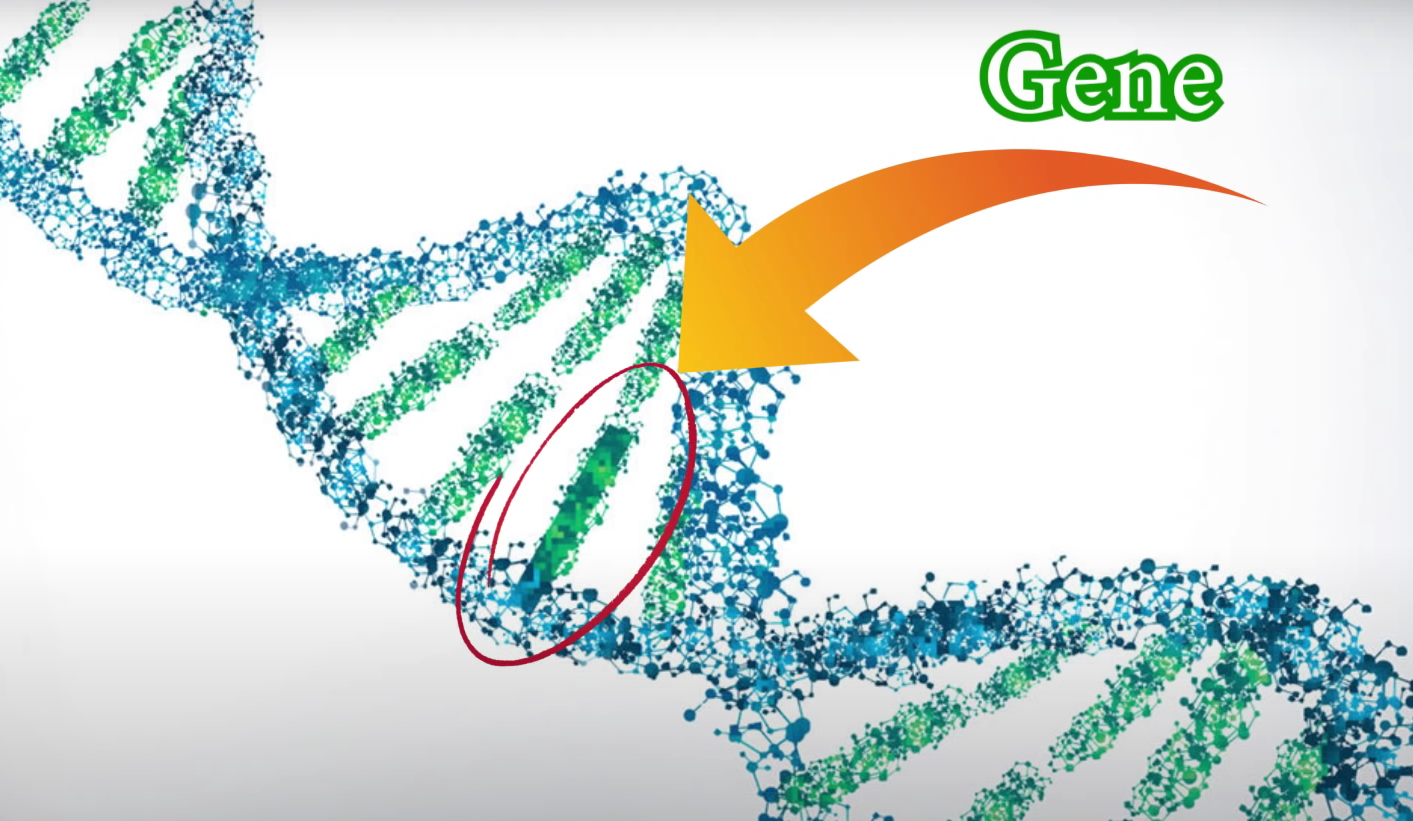
The unit of memory in a DNA molecule is a gene:
In a single gram of DNA you can store 215 Petabytes of information
The information stored in the DNA is used for assembling new proteins, and dictate how an organism will look like and function
Evolution
After cell division the DNA is copied in the new cell, but there is a small chance that the replication will not go as planned and some genes will be altered. In this case we have a mutation which is able to change some characteristics of the organism and its offspring. The new traits could be favourable, and make the organism more likely to survive and thus produce more offsprings. While specimens with unfavourable mutations go extinct. This principle is called natural selection and it constitutes the key mechanism of evolution
Homeostasis
Homeostasis represent the ability of maintaining a certain equilibrium of physiological processes and living systems for an optimal function of organs and cellular processes. This balance is maintained by many regulatory mechanisms, which perceive some perturbations from outside, and react to them.
For example: mammals have the ability to regulate their core temperature in response to the low outside temperature.
Prokaryotes and Eukaryotes
Tutti gli organismi viventi si possono differenziare in due gruppi a seconda della struttura fondamentale delle loro cellule: i procarioti e gli eucarioti.
- I procarioti includono batteri ed archea e sono costituiti da cellule antiche, piccole e semplici.
- Gli eucarioti comprendono alghe, protozoi, protisti e funghi e sono costituti da cellule più complesse.
Cosa hanno in comune procarioti ed eucarioti ? Sebbene differenti, i due tipi di cellule hanno molto in comune e contengono molti degli stessi componenti:
- Membrana citoplasmatica (o cellulare): tutte le cellule possiedono una barriera di permeabilità che separa l’interno della cellula, costituito dal citoplasma, dall’ambiente esterno
- Citoplasma: miscela acquosa di macromolecole come proteine, lipidi, acidi nucleici e polisaccaridi
- Ribosomi: organelli coinvolti nella sintesi delle proteine. Sebbene i ribosomi delle cellule eucariote siano più grandi, più complessi e legati da una membrana, in entrambi i tipi di cellule sono composti da due subunità: una più grande e una più piccola (chiamate 60S e 40S negli eucarioti e 50S e 30S nei procarioti)
- Parete cellulare: posizionata all’esterno della membrana cellulare, costituisce uno strato molto più forte di quest’ultima conferendo resistenza strutturale alla cellula. La parete si trova in tutte le cellule delle piante e in molti microrganismi, mentre è raro trovarla nelle cellule animali.
In che cosa differiscono procarioti ed eucarioti ?
- Nucleo/DNA: Le differenze tra procarioti ed eucarioti sono molteplici, ma la più importante riguarda il nucleo. Gli eucarioti possiedono un nucleo delimitato da una doppia membrana interrotta da pori che permettono sia il passaggio di ioni e macromolecole, sia l’interazione fra il nucleo e il citoplasma. La parte più attiva del nucleo, nella quale si trovano grandi quantità di proteine enzimatiche e acidi nucleici, necessari a “leggere” il codice genetico, è chiamata nucleolo.
Le cellule procariote, invece, non hanno un nucleo ma una regione chiamata nucleoide.
Kingdoms of Life
An organism to be considered alive has to have these characteristics:
- Be composed of cells
- Be able to maintain homeostasis
- Undergo metabolism
- Have a life cycle
- Be able to grow
- Adapt to the environment
- Be able to reproduce
Organisms that are considered alive are classified in five kingdoms:
-
Bacteria
Single-celled organisms with a simple internal structure that lack a nucleus. And contain DNA that just freely floats inside. One of the first form of life to appear on earth and thus evolved to live in water, soil, acid hot springs, and other organisms.
-
Protists
The most simple Eukaryotes are Protists, which is actually a very wide term for every unicellular organisms that have a nucleus and cannot form many tissues*.
-
Plants
Eventually some Protists evolved into Plants and were able to turn sunlight into energy.
-
Fungi
Fungi do not have the ability to photosynthesize, and need to take their nutrients from animal or plant matter. Also an individual characteristic of fungi is the presence of chitin in their cell walls.
-
Animals
Other kingdoms that are not considered “alive” are:
-
Viruses
-
Viroids
-
Proteins