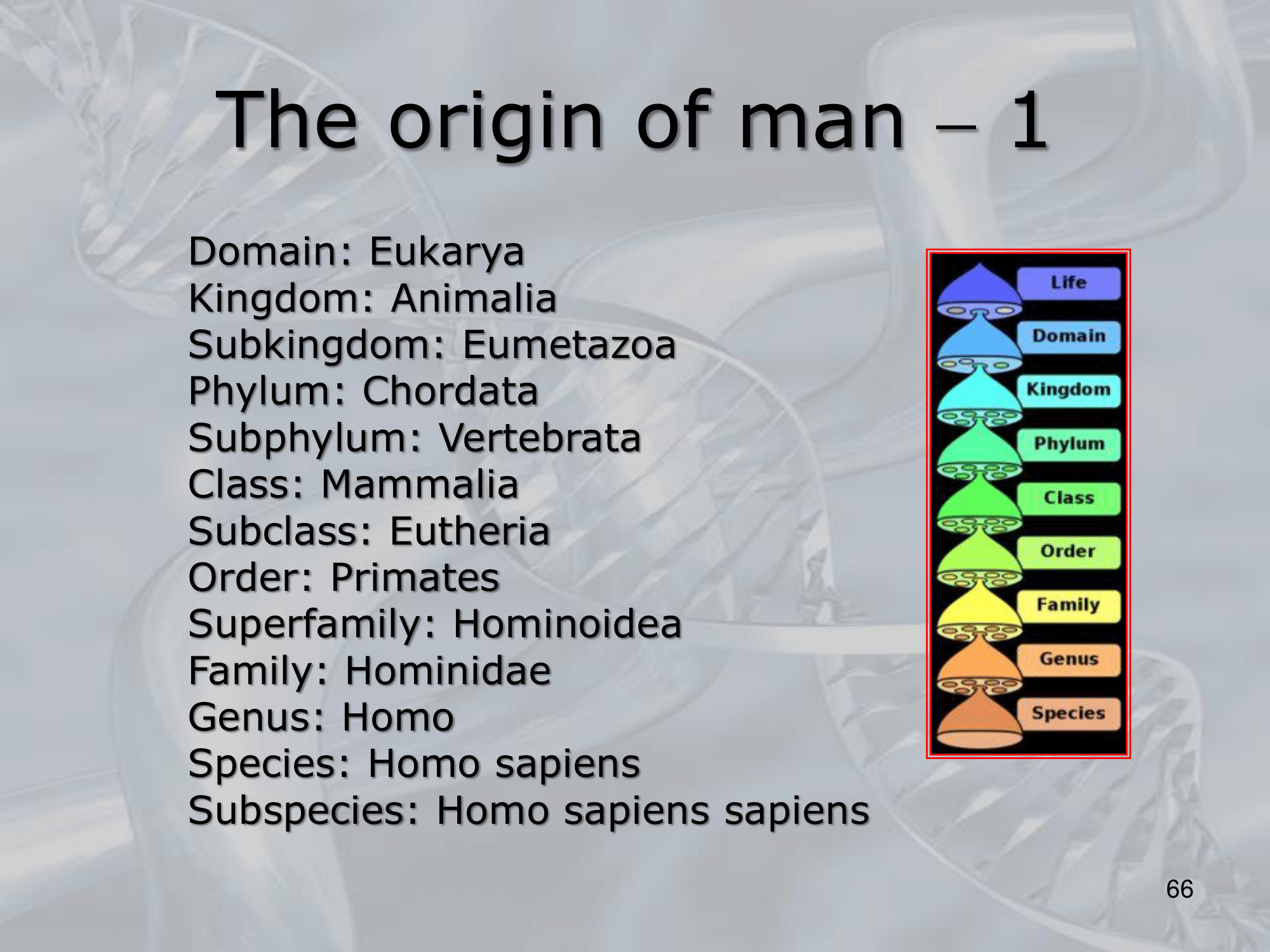
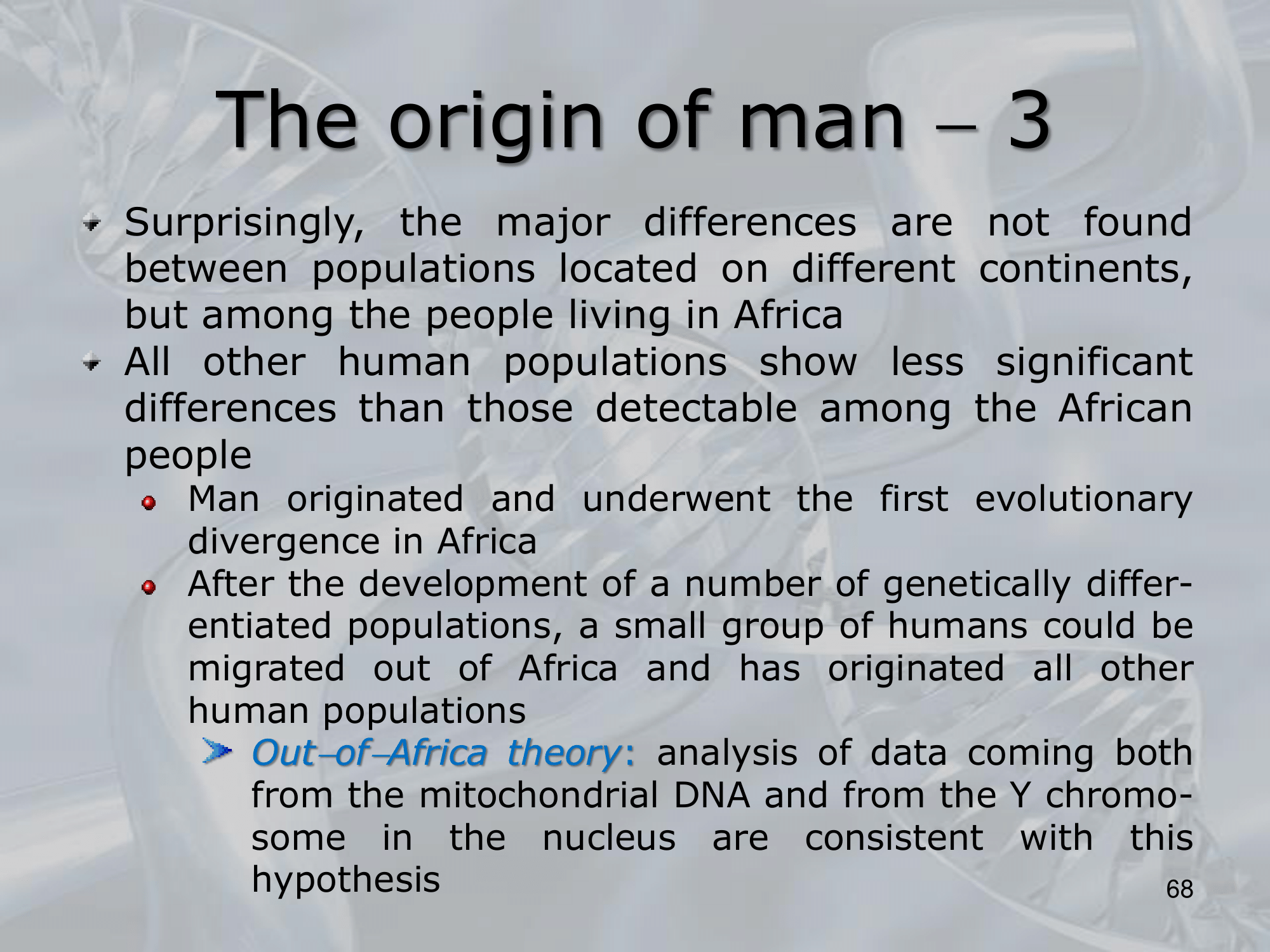
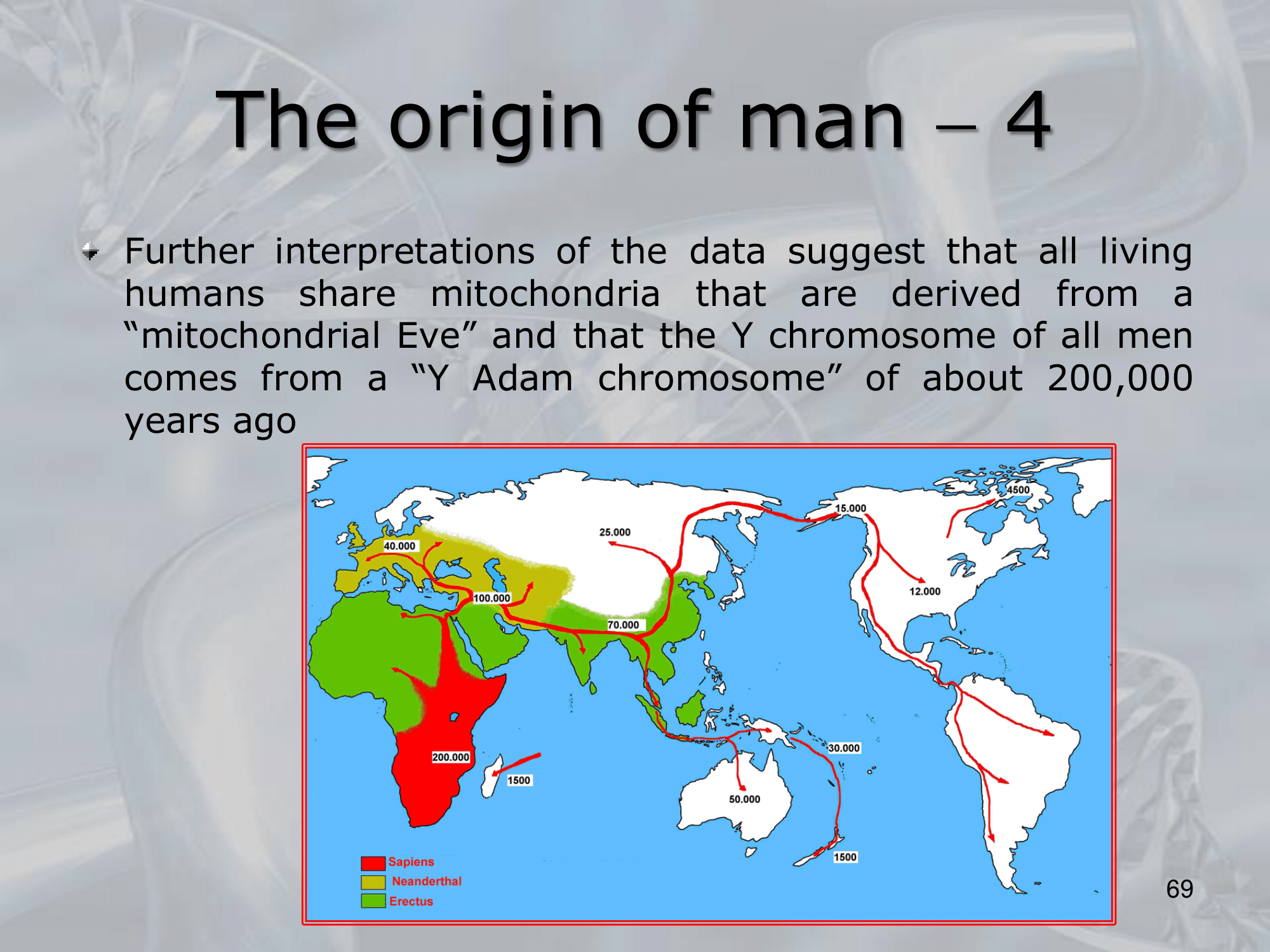
The origin of humans is a complex topic that is still being studied and debated by scientists. However, based on current evidence from the fields of anthropology, genetics, and paleontology, it is generally accepted that humans (Homo sapiens) evolved from earlier hominid species in Africa over the course of several million years.
The earliest known hominids are thought to have appeared around 7 million years ago, and the human lineage is believed to have diverged from that of chimpanzees and bonobos around 6-7 million years ago. Over time, various hominid species evolved and eventually gave rise to anatomically modern humans, who emerged around 300,000 years ago.
The evolutionary history of humans is characterized by several important milestones, including the development of bipedalism (walking on two legs), the expansion of brain size and cognitive abilities, and the emergence of cultural and technological innovations. These developments have allowed humans to become one of the most successful and dominant species on the planet.
It’s important to note that the study of human evolution is an ongoing field of research, and new discoveries and insights continue to emerge. As such, our understanding of the origin of humans is likely to evolve and change over time as new evidence is uncovered.
Mitochondrial DNA, which is the small circular chromosome found inside mitochondria; these organelles, found in all eukaryotic cells, are the powerhouse of the cell.