🪴 Quartz 4.0
Search
Search
Search
Dark mode
Light mode
Explorer
Notes & Images
BI - Algorithms for Protein Folding Modeling
BI - Active and Stable Structures (Tertiary and Quaternary Structure)
BI - Advantages of Molecular Phylogenies
BI - Alignment Scores
BI - Alternative Splicing
BI - Amino Acids
BI - Arc Length Estimation
BI - Atom's Anatomy
BI - Backbone Flexibility (Protein Secondary Structure)
BI - Backpropagation Through Time
BI - Binding Sites of Regulatory Proteins
BI - Biological Data and Databases
BI - Biology Introduction
BI - BLAST and its Variants
BI - BLOSUM Matricies
BI - Blotting and Hybridization
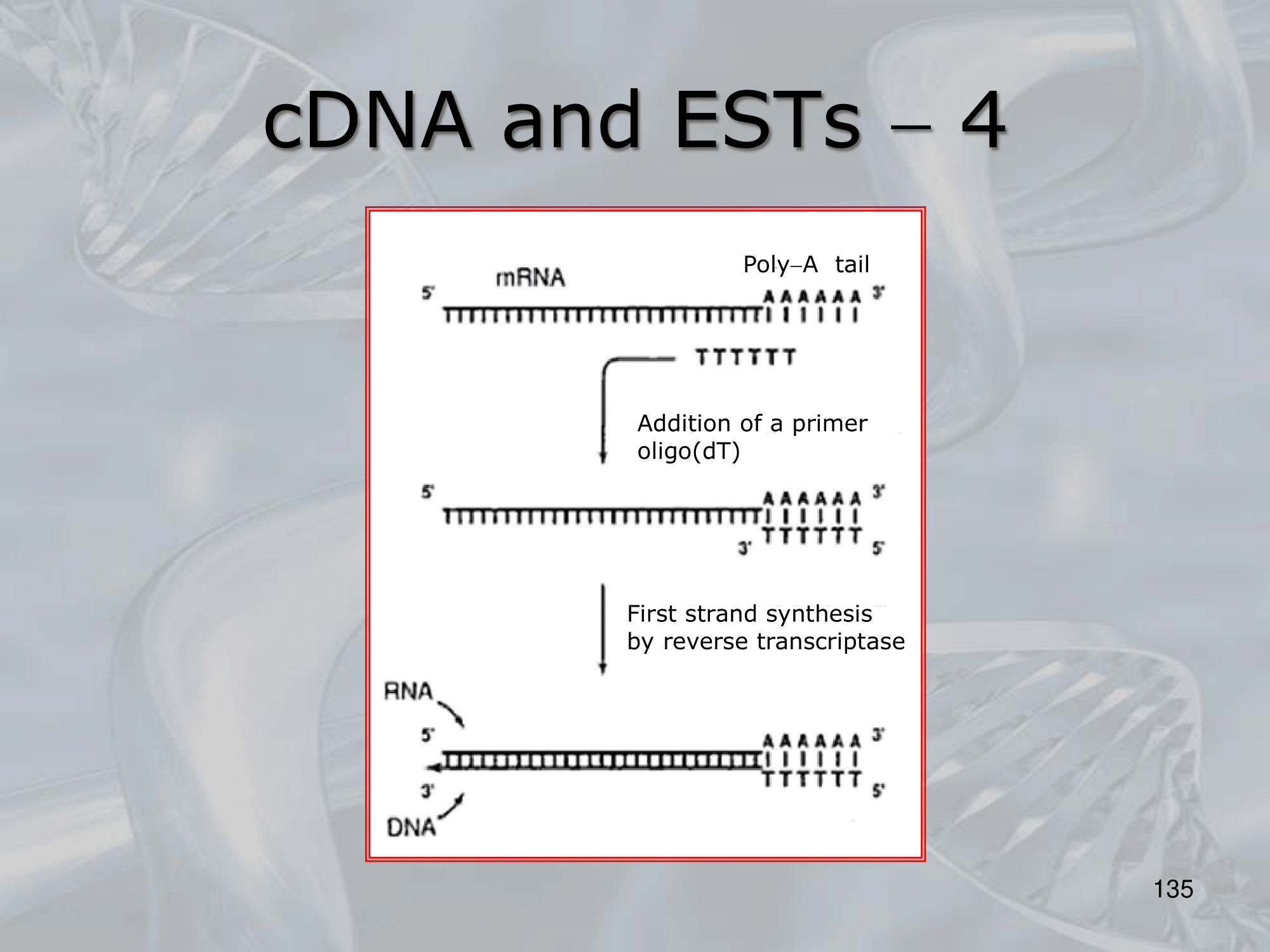
BI - cDNA and ESTs
BI - Character and Distance Data
BI - Chou-Fasman Method (Protein Secondary Structure)
BI - Chromosomes
BI - Cloning
BI - CNN ‘Convolutional Neural Networks’
BI - Collisions
BI - Comparative Modeling
BI - Conceptual Translation
BI - CpG Islands
BI - Database Screening
BI - Database Search
BI - Deep Network Design
BI - Distance Matrix-based Methods
BI - Disulfide Bonds (Tertiary and Quaternary Structure)
BI - DNA Sequencing
BI - Dot Plots
BI - Drug Design
BI - Dynamics of a Neuron with Feedback
BI - Electron Microscopy Structures
BI - Electronegativity
BI - Elman Networks
BI - Environmental Factors for Enzymes
BI - Enzyme Nomenclature
BI - Enzymes
BI - Enzymes - An Introduction
BI - Estimation of the Substitution Number
BI - Eukaryotic Gene Density
BI - Eukaryotic Gene Structure
BI - Evolutionary Speed Variations
BI - Experimental Techniques
BI - Experimental Techniques ‘Mass Spectromery’
BI - Experimental Techniques ‘Protein Microarrays’
BI - Experimental Techniques ‘Two-Dimensional Electrophoresis’
BI - Families and Superfamilies
BI - FASTA and its Variants
BI - Folding Algorithms
BI - Folds
BI - From Genome to Proteome
BI - Functional Constraints
BI - GC Content in Eukaryotic Genomes
BI - GC Content in Prokaryotic Genomes
BI - Gel Electrophoresis
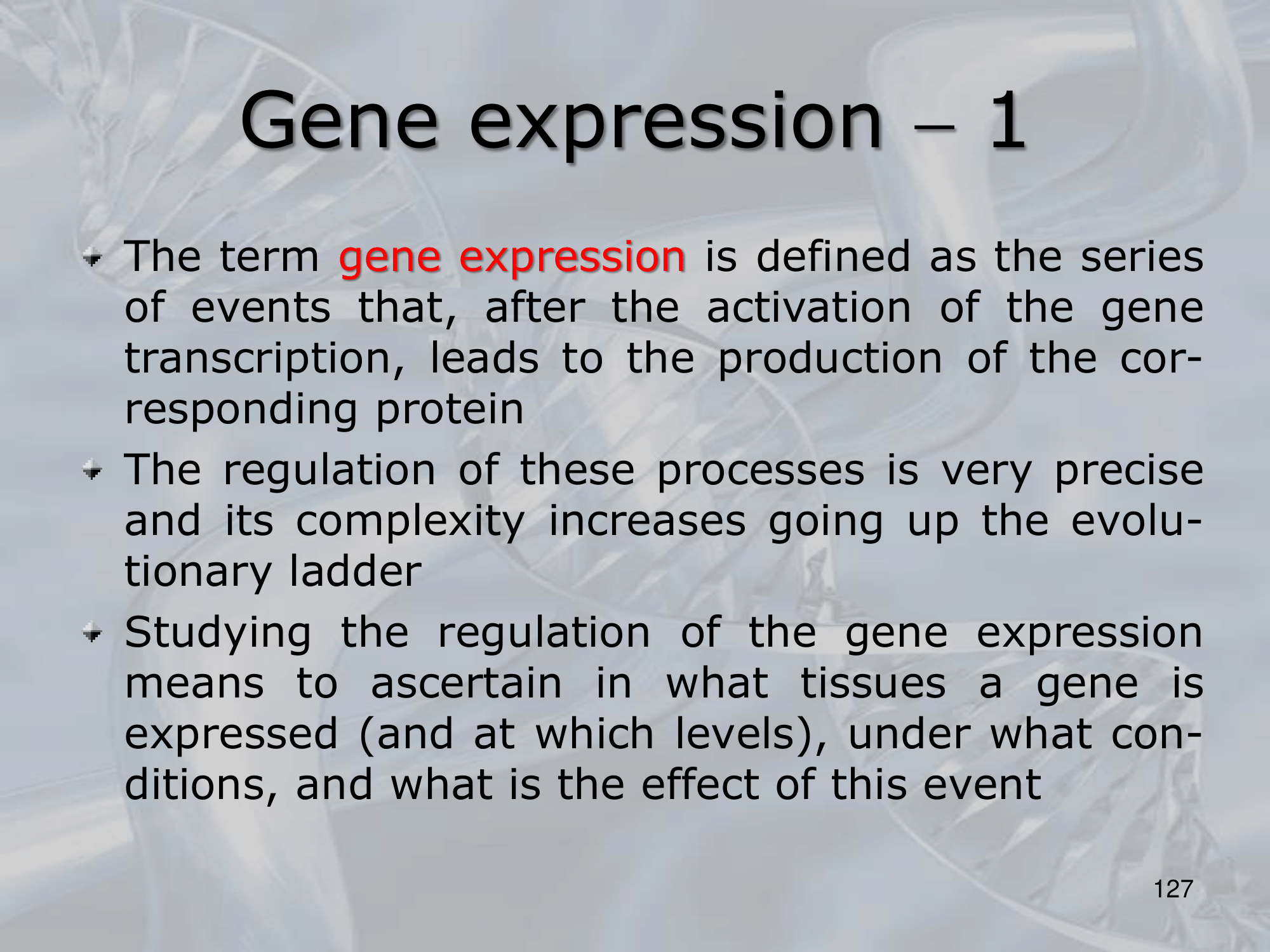
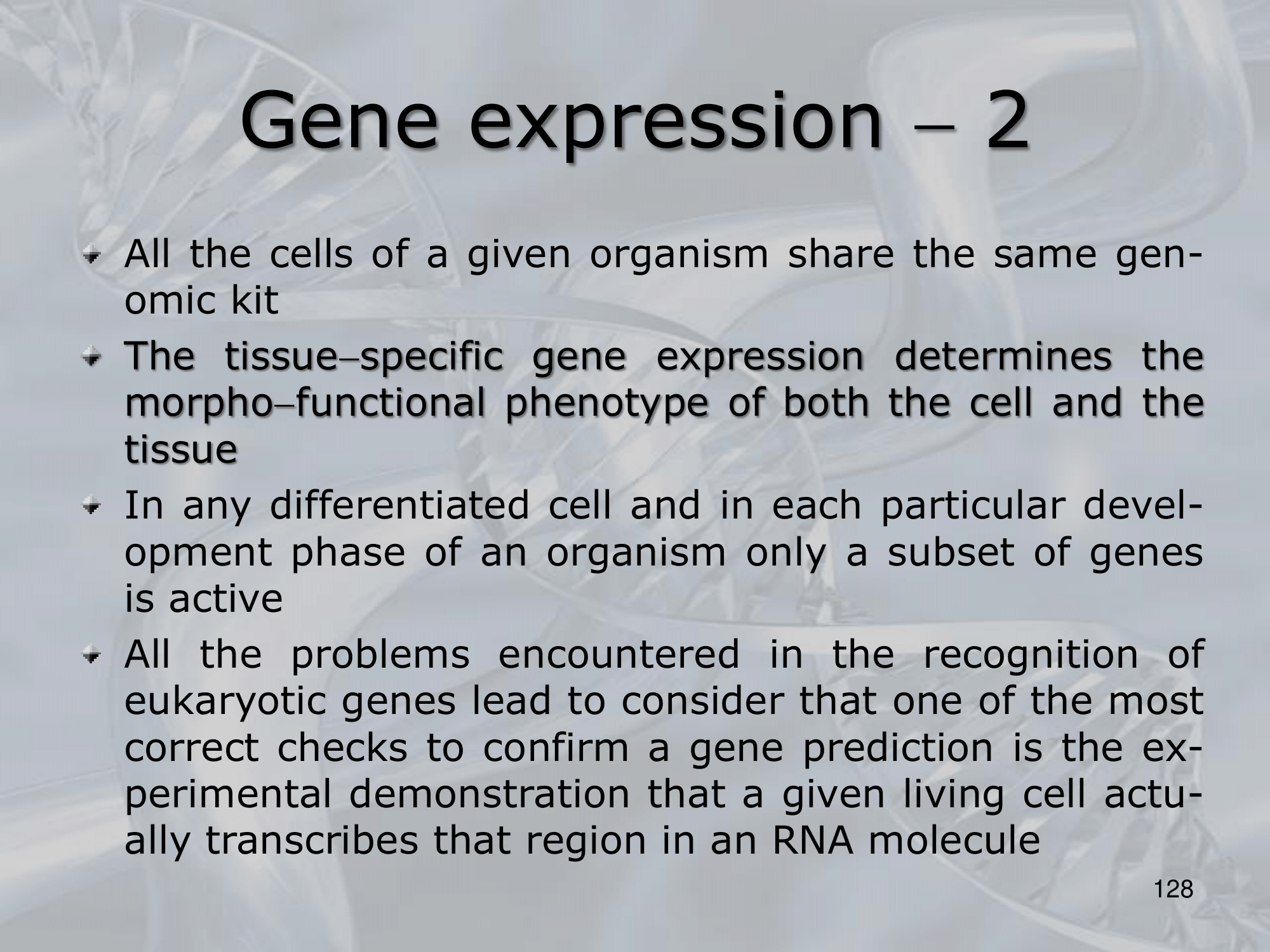
BI - Gene Expression
BI - Gene Structure
BI - Genes and Proteins
BI - Genetic Drift and Fixation
BI - Genomics
BI - Global and Local Alignments
BI - Glycosylation
BI - Hierarchical Clustering
BI - Homeoplasy and Homology
BI - Horizontal Gene Transfer
BI - How big are the DNA data
BI - How Proteins can Change
BI - How to Make Up for the Lack of Data
BI - Hydrogen Bonds
BI - Hydrophilic & Hydrophobic
BI - Hydrophobicity (Tertiary and Quaternary Structure)
BI - Indel and Pseudogenes
BI - Informative and Non-Informative Sites
BI - Inhibitors and Drug Design
BI - Intermolecular Forces
BI - Introduction to Character-based Phylogenetic Methods
BI - Introduction to Database Search and Pairwise Alignments
BI - Introduction to Distance-based Phylogenetic Methods
BI - Introduction to Genomics and Gene Recognition
BI - Introduction to Molecular Biology and Biochemistry
BI - Introduction to Neural Networks for Structured Data
BI - Introduction to Prediction of Protein and RNA Structure
BI - Introduction to Proteomics - Tools and Appliction
BI - Introduction to Substitution Patterns
BI - Introduction to Unsupervised Learning
BI - Introns and Exons
BI - Isochores
BI - Jordan Networks
BI - Lattice Models
BI - Lecture 0 - Introduction to the Course
BI - Lecture 1 - Molecular Biology and Biochemistry
BI - Lecture 2 - Database Search and Pairwise Alignments
BI - Lecture 3 - Substitution Patterns
BI - Lecture 4 - Distance Based Phylogentic methods
BI - Lecture 7 - Convolutional Neural Networks
BI - Lecture 8 - Unsupervised Modes and Clustering
BI - Lecture 9 - Genomics and Gene Recognition
BI - Lecture 10 - Prediction of Protein and RNA Structure
BI - Lecture 11 - Proteomics Tools and Applications
BI - Ligand Docking
BI - Ligand Screening
BI - Linear Recursive Networks
BI - LSTM ‘Long-Short Term Memories’
BI - Macromolecules
BI - Micorarrays
BI - Misfolding
BI - Molecular Biology Tools
BI - Molecular Clocks
BI - Molecular Phylogenies
BI - Multiparametric Models
BI - Multiple Alignments
BI - Mutation Frequencies
BI - Mutations and Substitutions
BI - NCBI
BI - Neighbor-Joining Methods
BI - Neural Network Method (Protein Secondary Structure)
BI - NMR Structures
BI - Off-Lattice Models
BI - Open Reading Frames
BI - PAM Matricies
BI - PAM or BLOSUM
BI - PDB (Protein Data Bank)
BI - Penalities for the Presence of Gaps
BI - pH
BI - Pharmacogenomics
BI - Phosphorylation
BI - Phylogenetic Trees
BI - Polymerase Chain Reaction (PCR)
BI - Prediction Accuracy (Protein Secondary Structure)
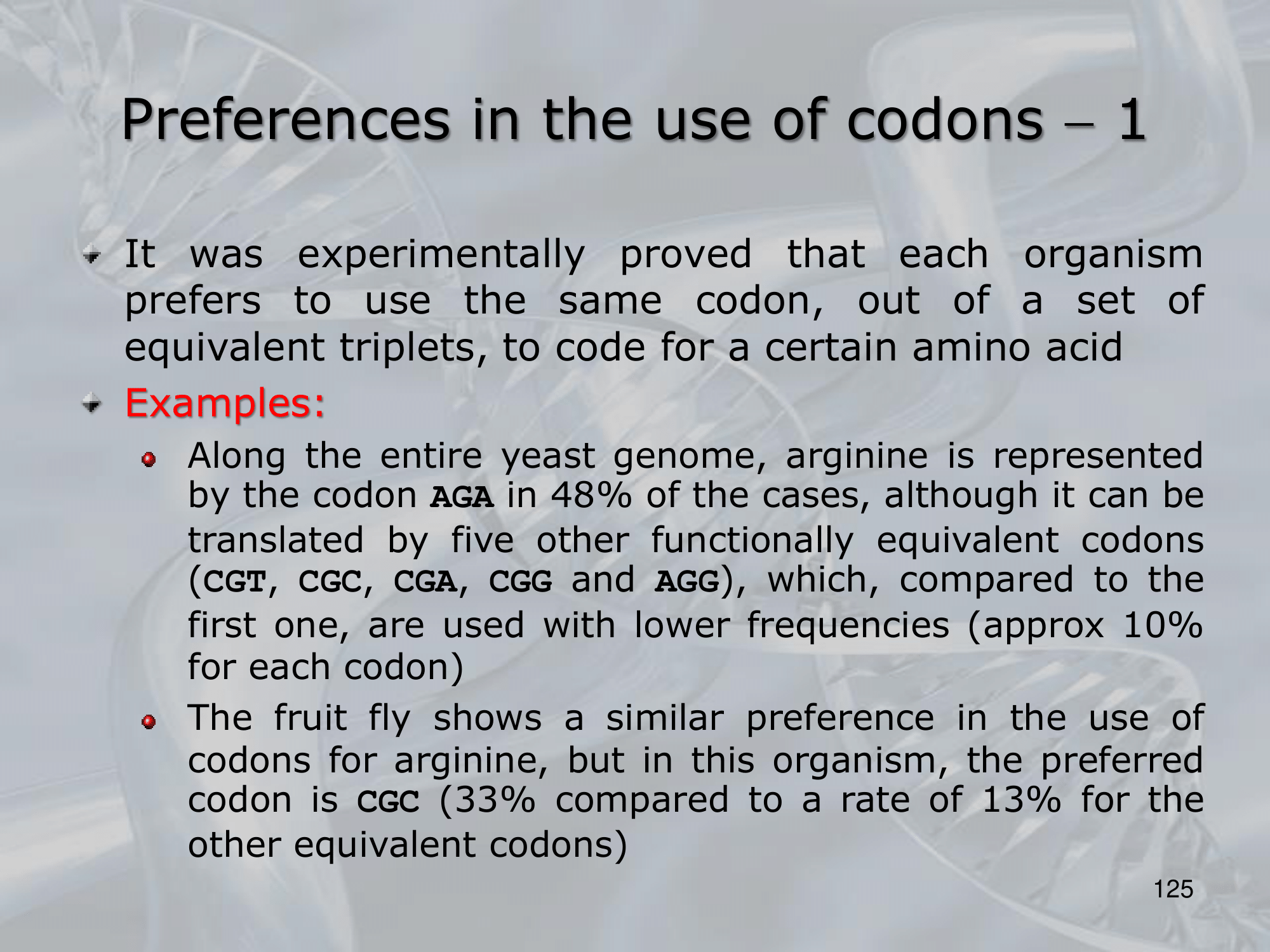
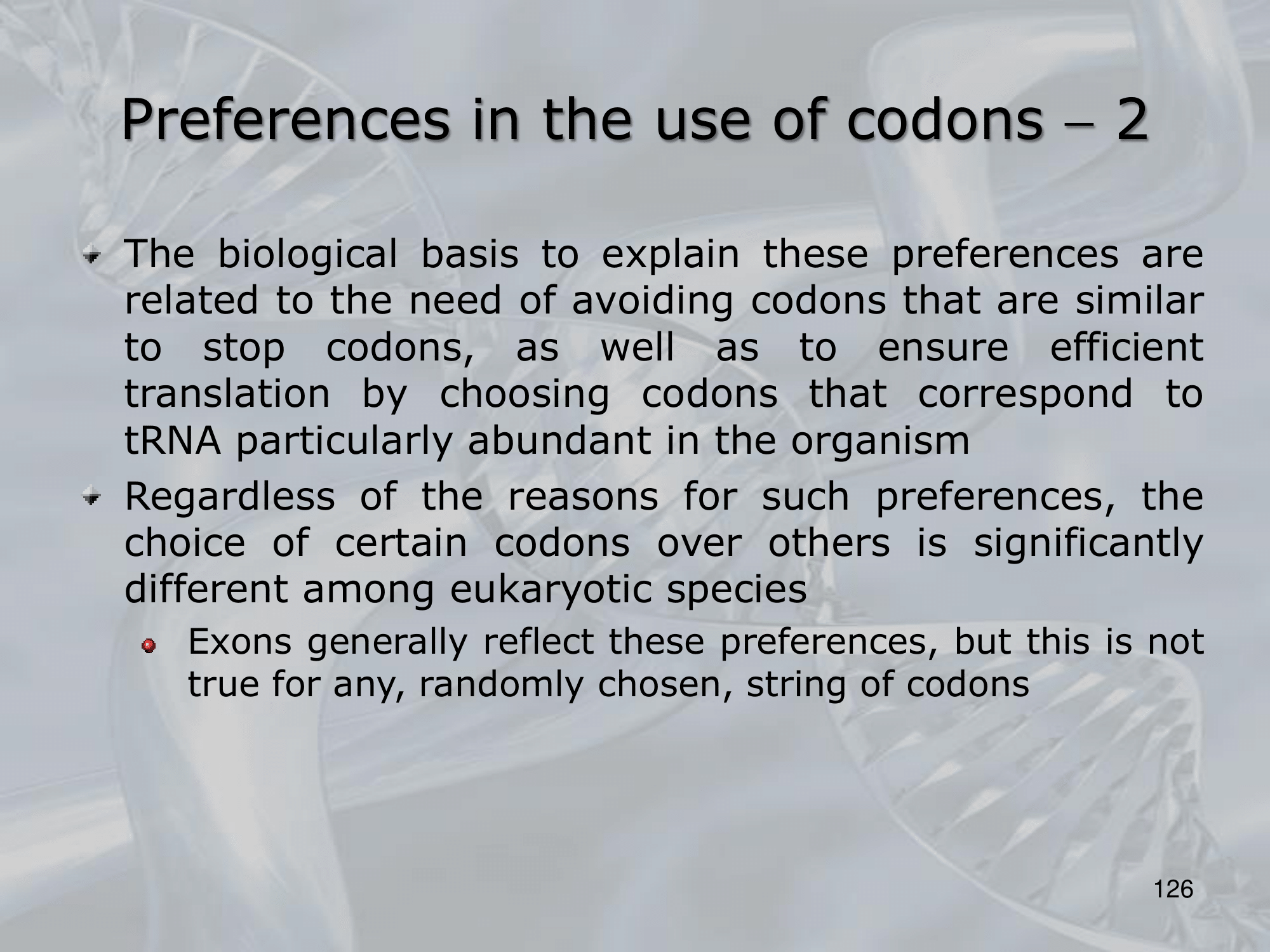
BI - Preferences in the use of Codons
BI - Primary Biobanks
BI - Prokaryotic Gene Density
BI - Promoter Elements
BI - Protein Databanks
BI - Protein Sorting
BI - Protein-Protein Interaction
BI - Proteolytic Cleavage
BI - Proximity Relation Methods
BI - Quick Search Strategies ‘Branch and Bound’
BI - Quick Search Strategies ‘Consensus Trees’
BI - Quick Search Strategies ‘Heuristic Search’
BI - Reassociation Kinetics
BI - Recurrent Networks
BI - Recursive Models for Cycling Graphs
BI - Recursive Models for Non-Positional Graphs
BI - Recursive Neural Networks
BI - Repeated Elements
BI - Restriction Enzymes
BI - Ripasso di Chimica e Biologia
BI - RNA Secondary Structure Prediction
BI - Score Matricies
BI - Self Organizing Maps
BI - Self Organizing Networks
BI - Serial Analysis of Gene Expression
BI - Simple Alignments
BI - Specialized Databases
BI - Static and Dynamic Networks
BI - Structure of Prokaryotic Genes
BI - Substitution Patterns in Genes
BI - Substitutions in Protein Sequences
BI - Synonimous and Non-Synonymous Substitutions
BI - Terminator Sequences
BI - Tertiary and Quaternary Structure
BI - Tertiary Structure Prediction
BI - The C Value Paradox
BI - The central Dogma of Molecular Biology
BI - The Genetic Code
BI - The Genetic Material
BI - The Genome of Eukaryotes
BI - The Genome of Prokaryotes
BI - The GOR Method (Protein Secondary Structure)
BI - The Nature of Chemical Bonds
BI - The Needleman-Wunsch Algorithm
BI - The Origin of Man
BI - The Primary Structure
BI - The Protein Function
BI - The Smith-Waterman Algortihm
BI - The Tree of Life
BI - The Vanishing or Exploding Gradient Problem
BI - Threading
BI - Transformed Distance Method
BI - Transposition
BI - Tree Confidence 'Bootstrapping' and 'Parametric Test'
BI - Trees of Genes versus Trees of Species
BI - Unweighted Parsimony
BI - Valence
BI - Weighted Parsimony
BI - What are Ribosomes
BI - What is an Operon
BI - X-Ray Crystallography
BI - X-Ray Crystallography vs NRM
Home
❯
Notes and Images
❯
BI - Lecture 9 - Genomics and Gene Recognition
BI - Lecture 9 - Genomics and Gene Recognition
Jul 31, 2024
0 min read
Graph View
Backlinks
index