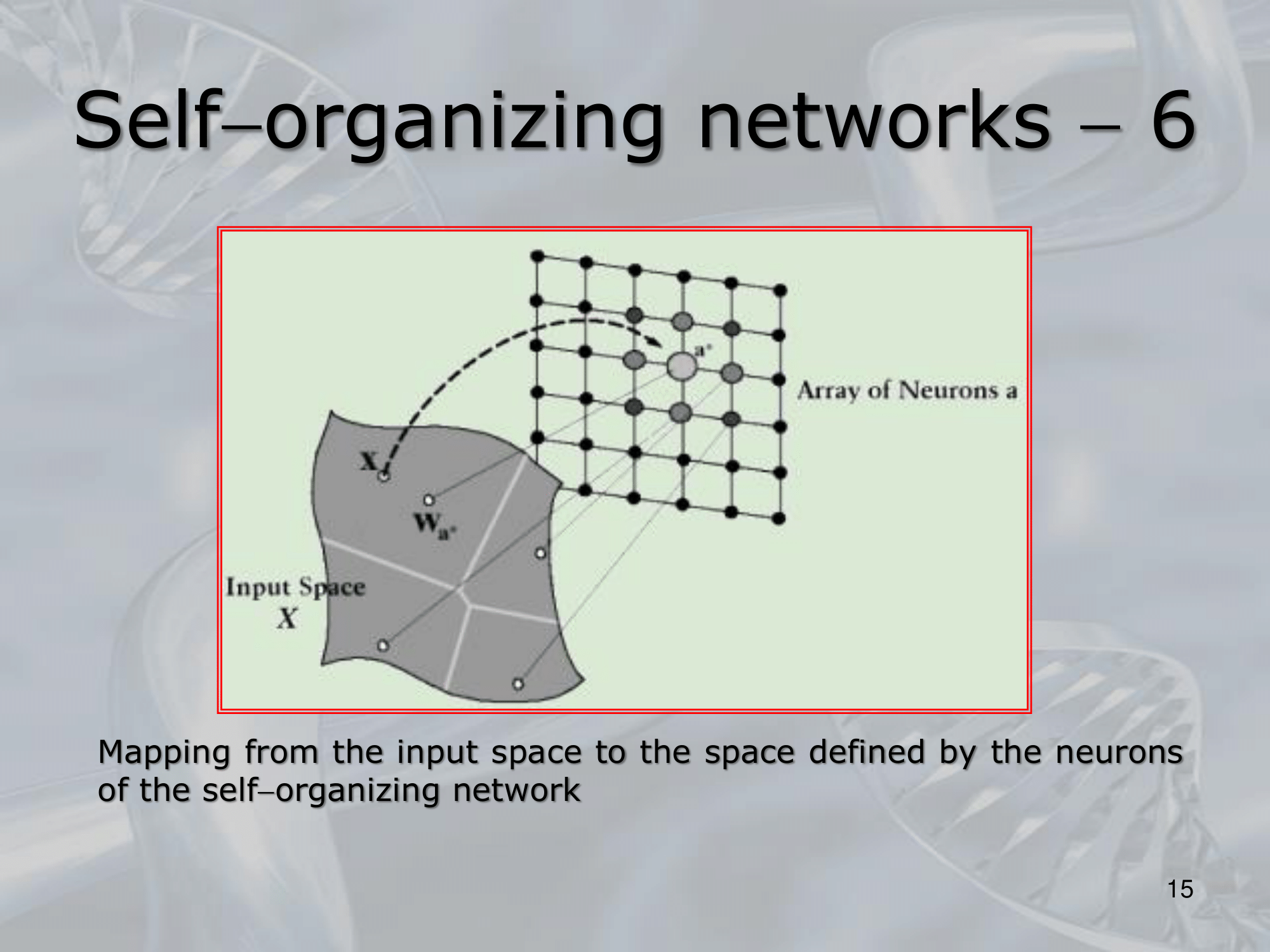
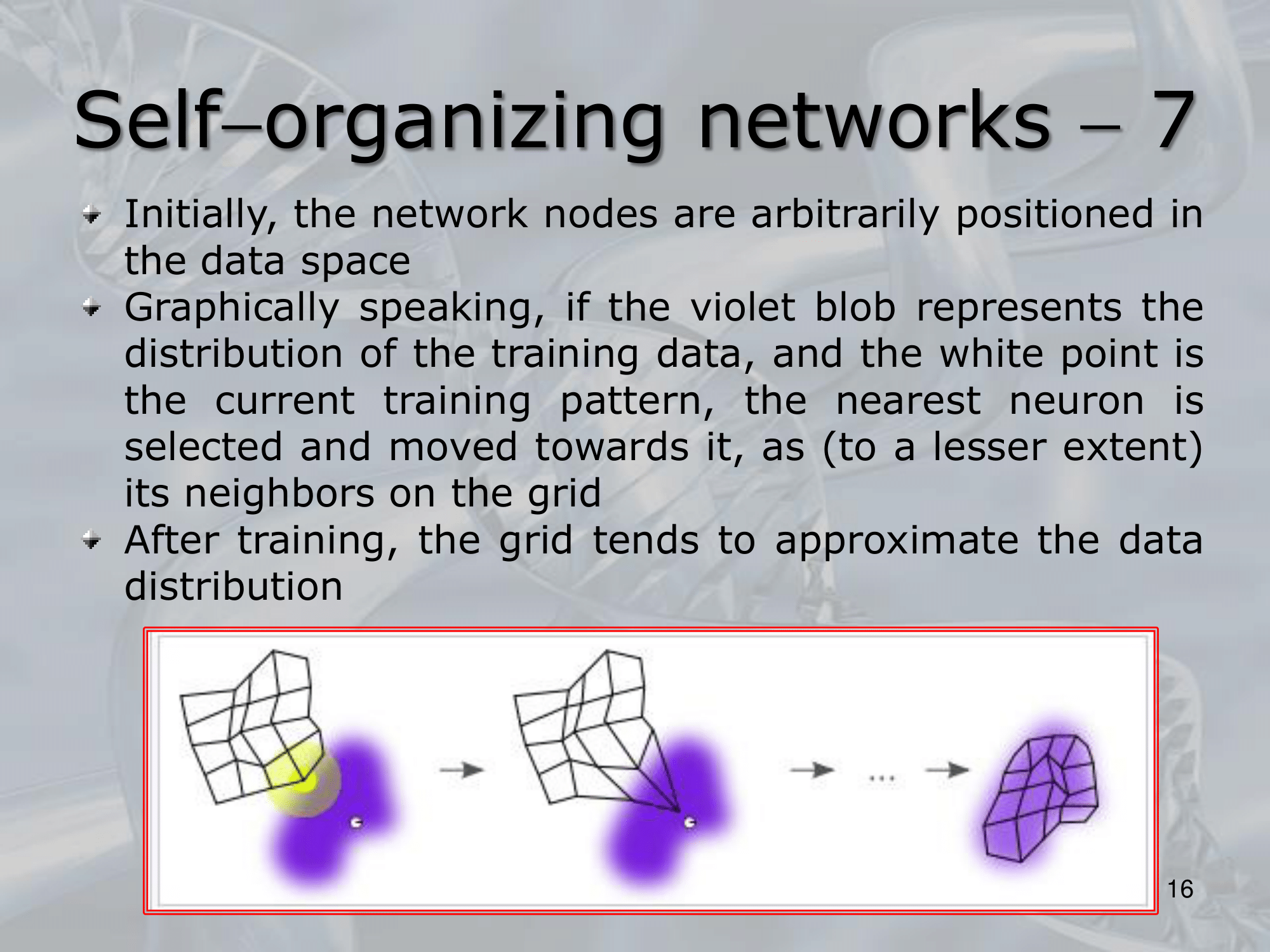
Self-organizing networks (SON) are a type of network optimization technique used in telecommunications to automatically configure and optimize mobile networks. The aim of SON is to improve network performance, reduce network downtime and maintenance costs, and enhance the user experience by optimizing various network parameters such as coverage, capacity, and quality of service.
SON uses machine learning algorithms and other intelligent techniques to analyze network performance data, detect anomalies and optimize network parameters automatically. SON algorithms can be categorized into three types:
Self-configuration: In this type, the network automatically configures itself when a new node is added or removed, or when there are changes in the network topology.
Self-optimization: In this type, the network automatically optimizes itself to maintain optimal performance, by adjusting various network parameters such as power, frequency, handover, and load balancing.
Self-healing: In this type, the network automatically detects and corrects faults and errors in the network, minimizing the impact on users and reducing downtime.
SON has become an important tool for network operators, especially in the deployment of complex and heterogeneous mobile networks such as 4G and 5G, where manual network optimization is time-consuming and error-prone. SON has also been applied in other domains such as transportation, manufacturing, and smart cities, where automatic optimization of complex systems is required.