List of things to memorize:
SaM - Amplifiers
Link to original
- SaM - Operational Amplifier
- SaM - Operational Amplifier as a Voltage Comparator
- SaM - Non-Inverting Operational Amplifier
- SaM - Inverting Operational Amplifier
- SaM - Non-Ideal Operational Amplifier • Input and Output Resistances
- SaM - Non-Ideal Operational Amplifier • OZE (Out of Zero Error) • Special Kinds of Operational Amplifiers • Precision Amplifier • Low Noise • Low Input Bias Current • Zero Drift • Low Noise Operational Amplifier
- SaM - Single Input Amplifier
- SaM - Differential Amplifier
- SaM - Thevenim and Norton Equivalent
- SaM - AC-Coupled Amplifier
- SaM - Carrier Amplifier
- SaM - Charge Amplifier
- SaM - Logarithmic Amplifier
SaM - Operational Amplifier
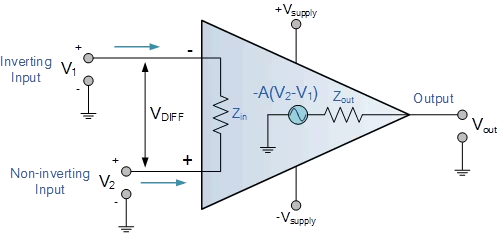
- Open Loop Frequency Response Formula:
- Non-Idealities of Operational Amplifier:
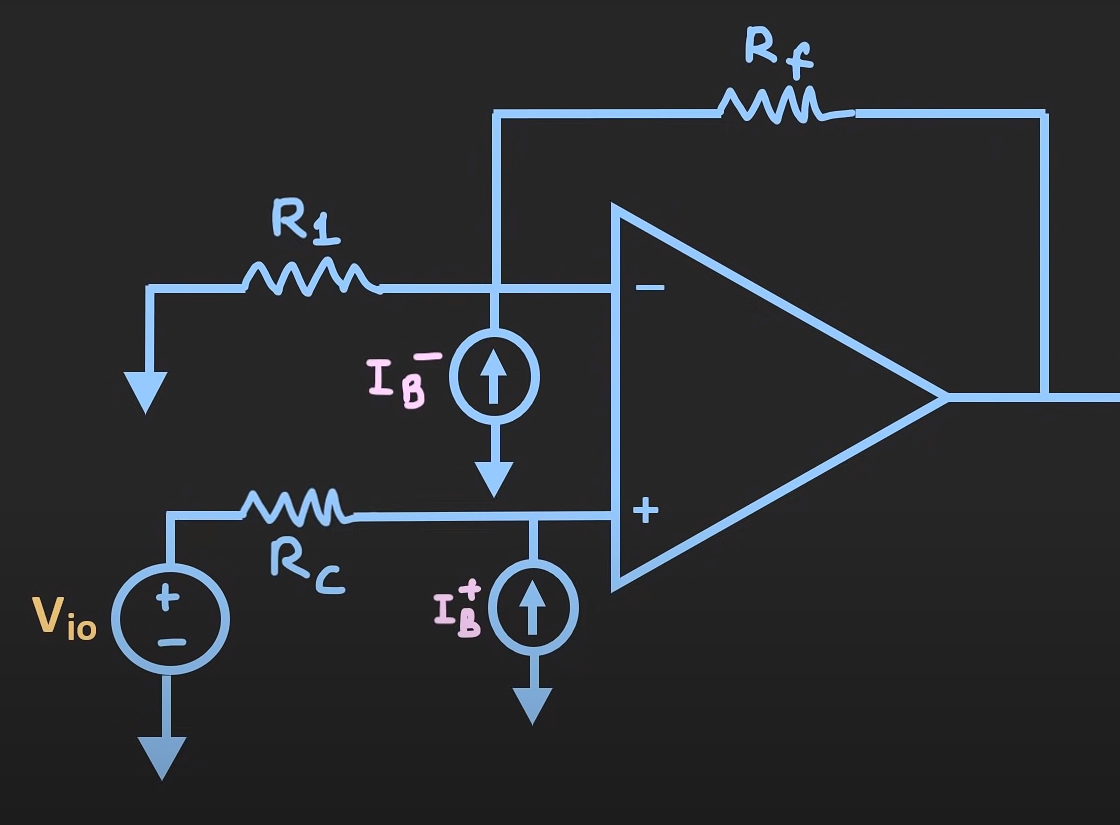
- : input resistance, , usually we consider it .
- : output resistance, , we usually consider it .
- : voltage input offset, .
- : input bias current, (Remember: , ).
- Terminology:
- : open loop gain (ideally infinite, in reality ).
- : cut-off frequency .
SaM - Non-Inverting Operational Amplifier
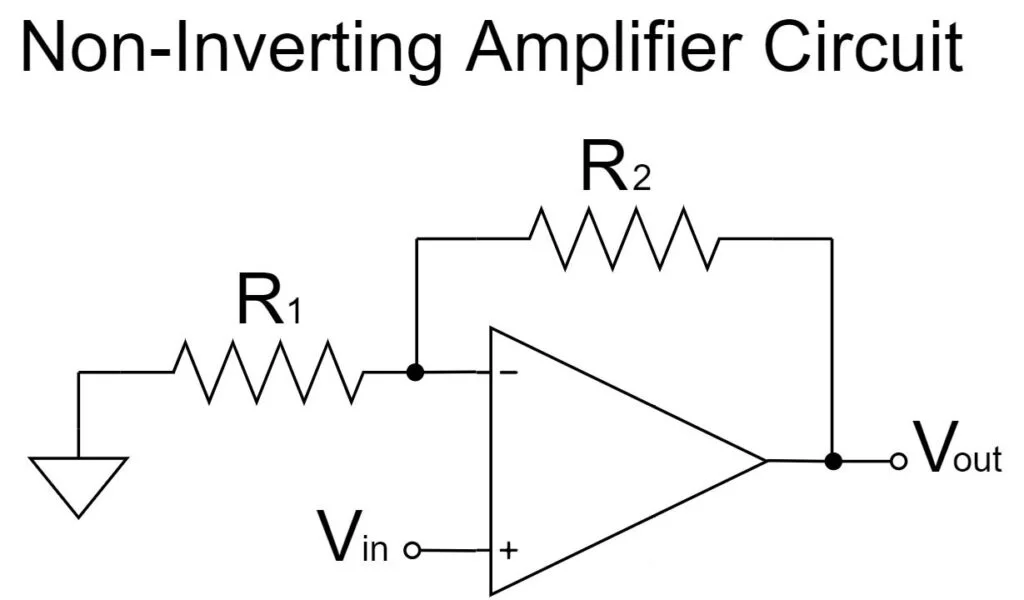
- Formula:Where:
- Terminology:
- : feedback factor.
SaM - Inverting Operational Amplifier
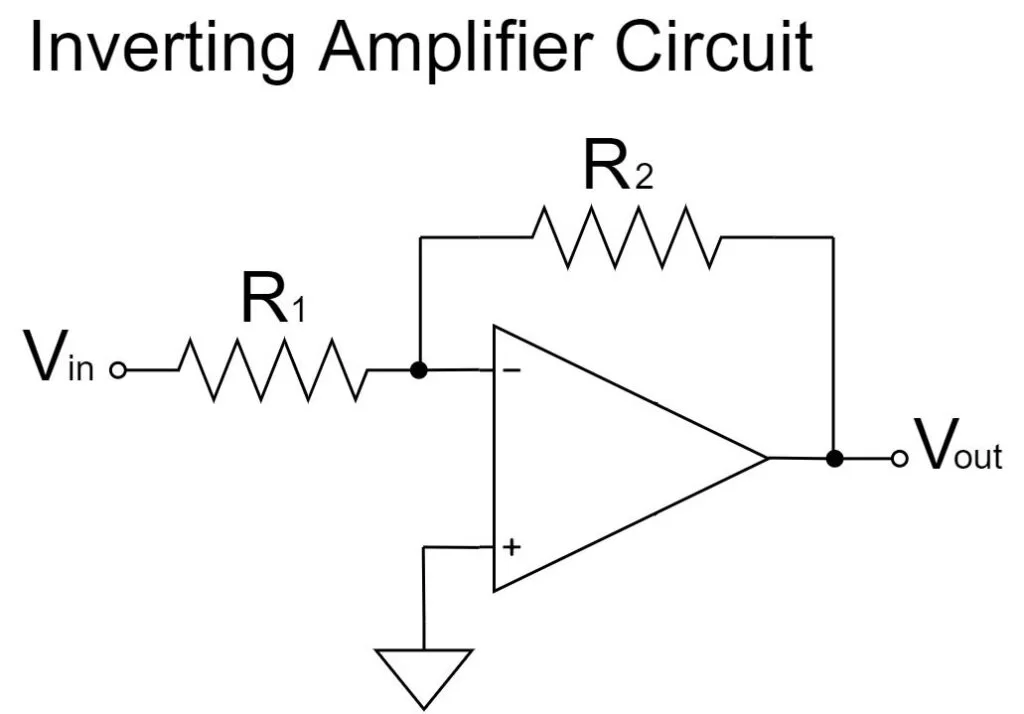
- Formula:
SaM - Non-Ideal Operational Amplifier • Input and Output Resistances
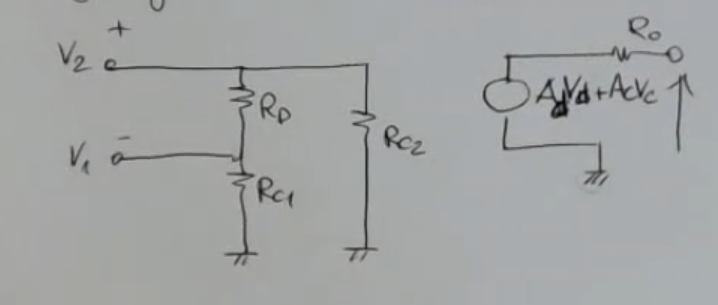
- Formula:Where:
- : “differential voltage” .
It’s the voltage on - : “common mode voltage”
It’s the voltage on plus the voltage on - : “*differential gain”
- : “*common mode gain”
- : “differential voltage” .
- and are the “common mode resistances”. (Ideally they are both NOT_SURE_ABOUT_THIS )
- is the “differential mode resisitance”. (Ideally we consider it )
- is the “output resistance, ideally it’s .
- ==Normally, an ideal op.amp. would have only for the output, however in reality, the ouput also depends on ==.
Plus a resistive bridge: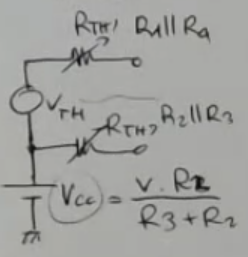
- Where:
Combining the two circuits:
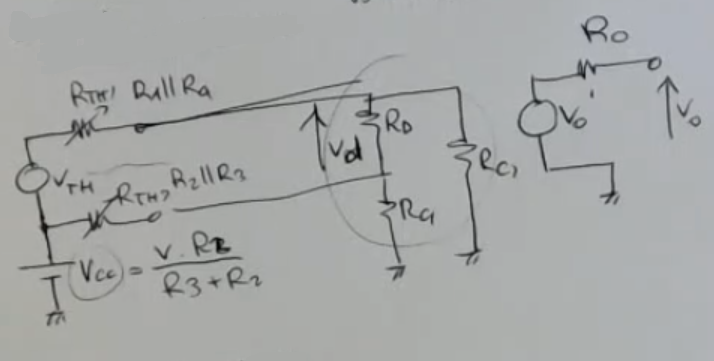
- The output:
SaM - Non-Ideal Operational Amplifier • OZE (Out of Zero Error) • Special Kinds of Operational Amplifiers • Precision Amplifier • Low Noise • Low Input Bias Current • Zero Drift • Low Noise Operational Amplifier
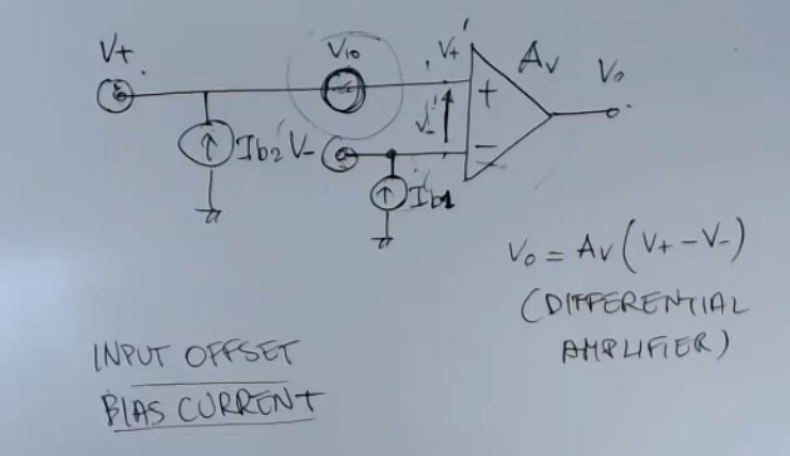
Plus the Thevenim equivalent of a measurement system: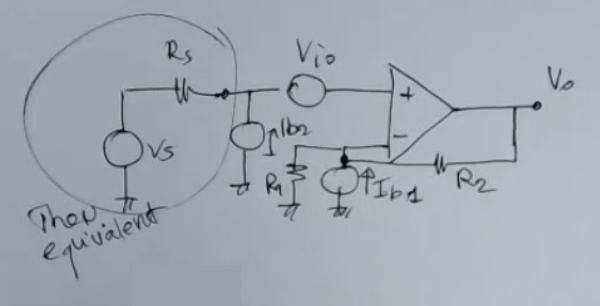
- OZE (Out of Zero Error):
- IZE (Input out of Zero Error):
| TCV | Other | |||
|---|---|---|---|---|
| Low input bias current op.amp. | ||||
| Precision amplifiers | ||||
| Zero drift op. amp | times lower then precision amplifiers | times lower then precision amplifiers | Slow devices (high rise time) | |
| Low noise amplifier | Minimize the white noise interferance. |
- Rule of thumb:
- Terminology:
- : terminal of the amplifier
- : terminal of the amplifier
- : input voltage offset
- & : input bias current on each of the the two terminals.
- , : source voltage and source resistance (thevenim equivalent of the source).
- TCV: Temperature Coefficient of Voltage (similar to TCR)
SaM - Single Input Amplifier
- Representation:
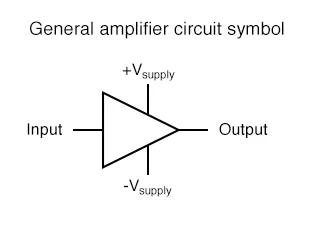
- Usually an A.O. with one of the two inputs connected to ground:
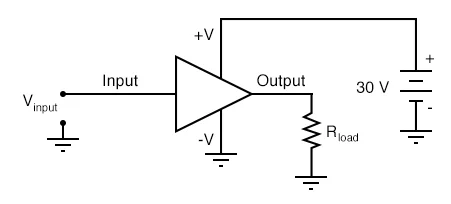
SaM - Differential Amplifier
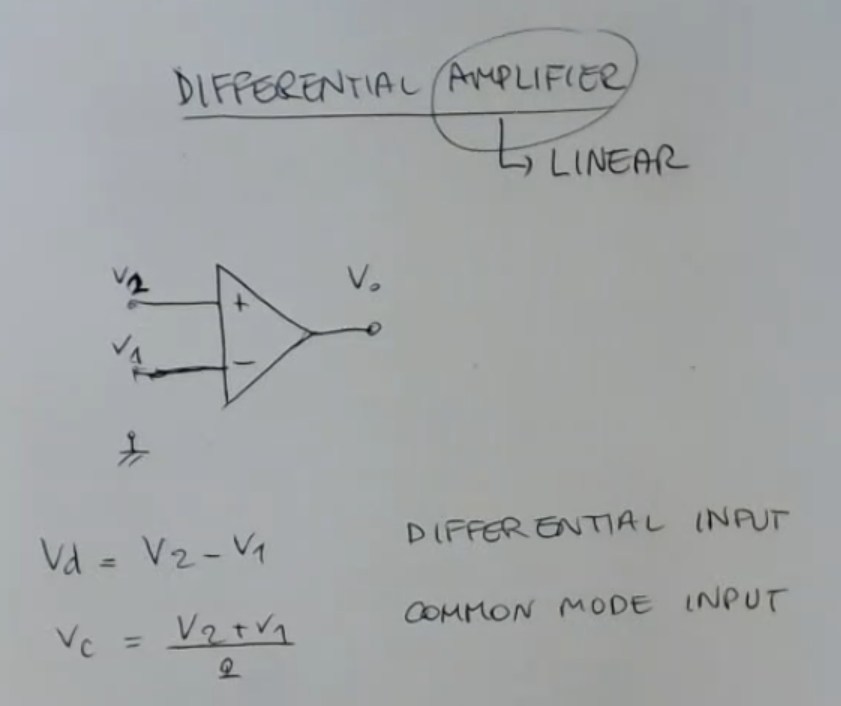
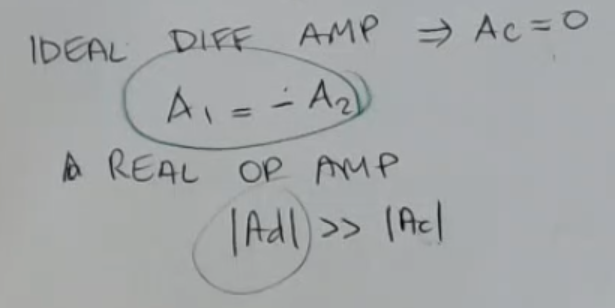
A differential amplifier output functions depends only on the difference: Here’s an example: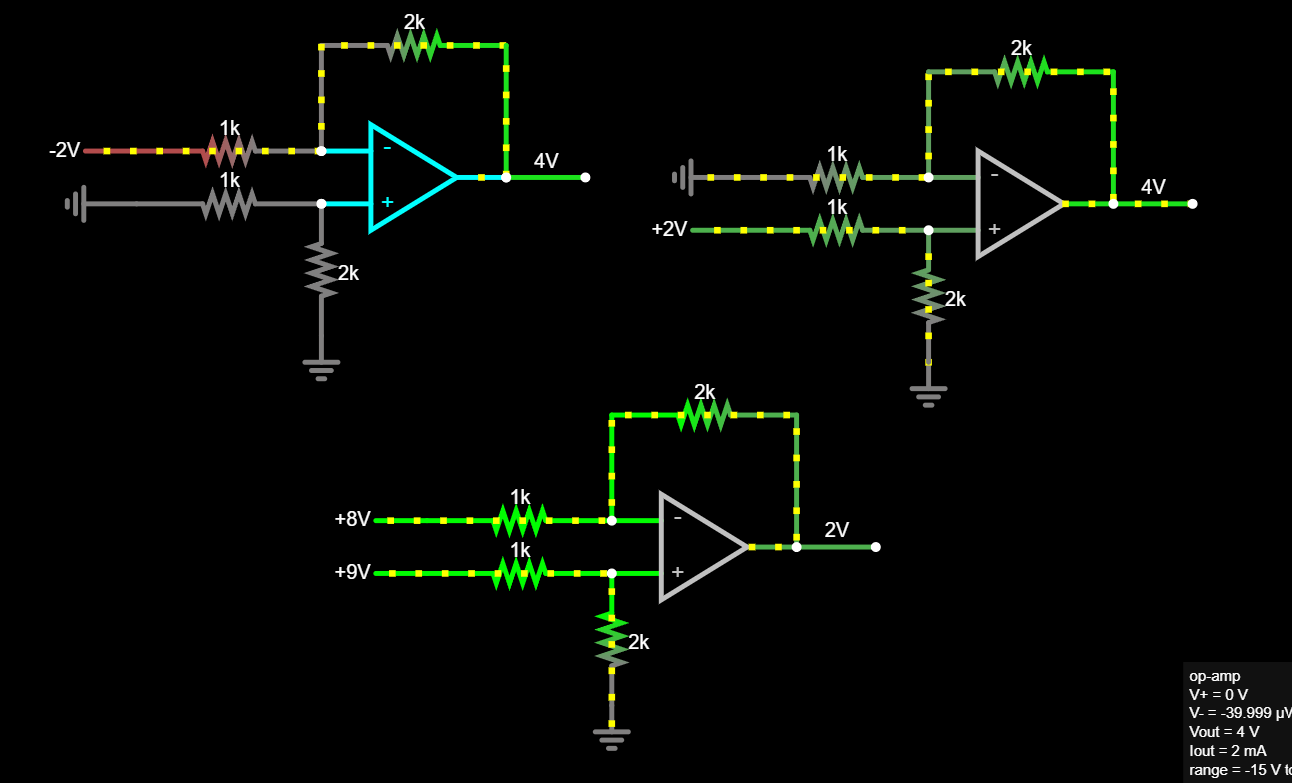
SaM - Simple Differential Amplifier (Made from an O.A.)
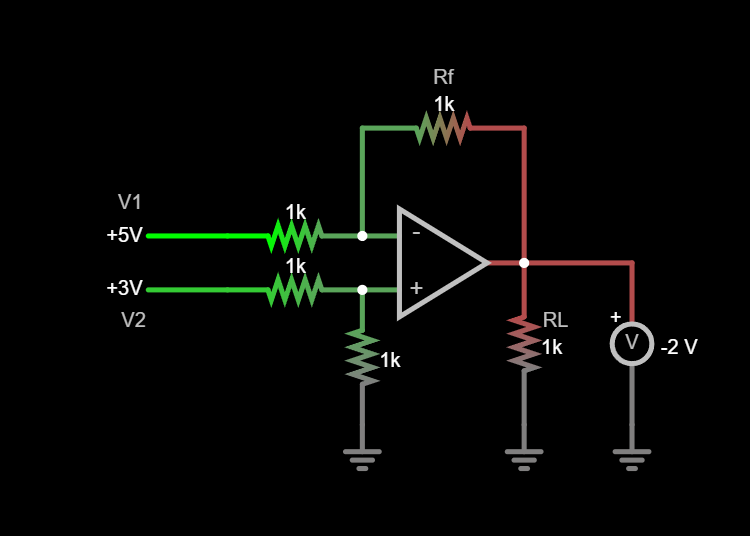
SaM - Instrumentational Amplifier
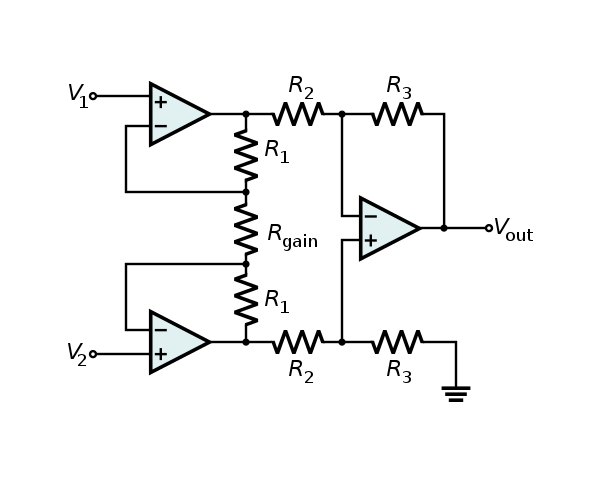
- Formula:
Don’t know if it is a requested knowledge for the exam, here’s some information on the instrumentational amplifier “INA128”
SaM - Thevenim and Norton Equivalent
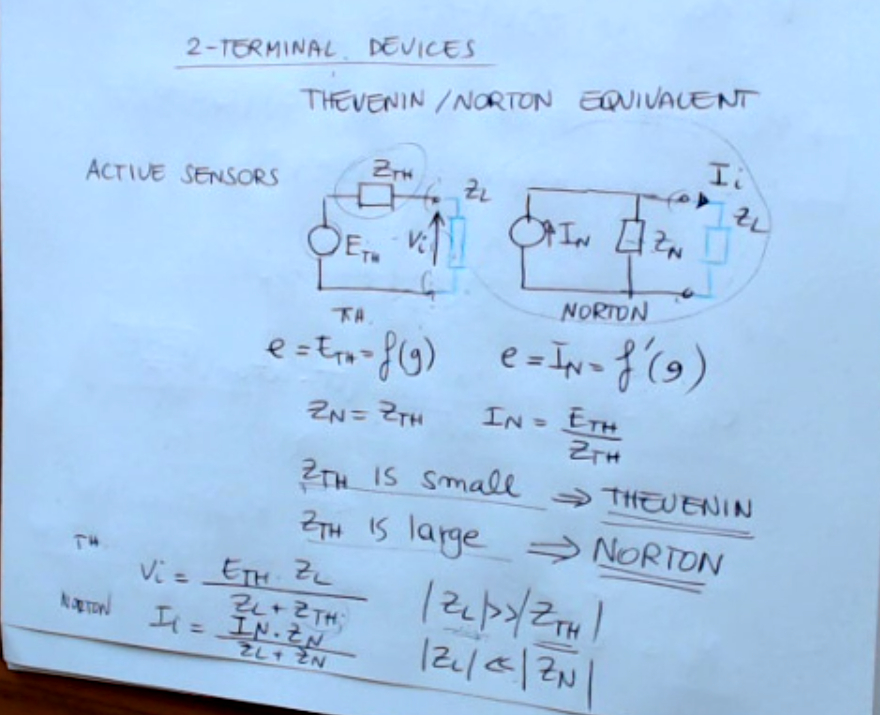
Passages:
- Disconnect A-B (“the load”).
- Find the voltage .
- Reconect the load, disconnect all indipendent sources, and calculate the Thevenim resistance () between A and B.
- Terminology:
- : load impedance.
- : thevenim impedance.
SaM - Voltage Amplifier
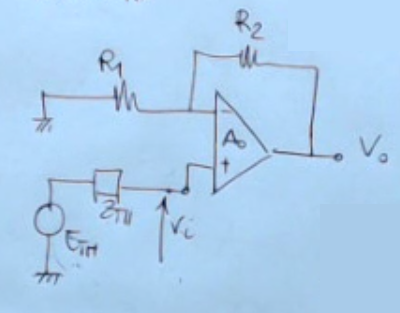
- Very high input impedance, very low output impedance
- Formula:
SaM - Current Amplifier
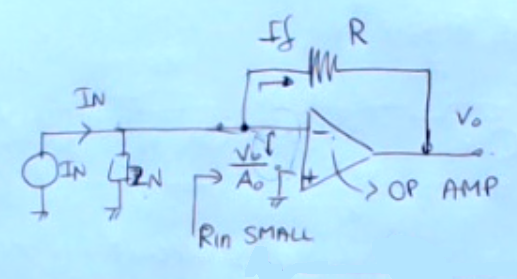
- Very low input impedance, very low output impedance
- The output is:And is:If is really big, as it usually is for DC signals, we find that:
- Terminology:
- : feedback current.
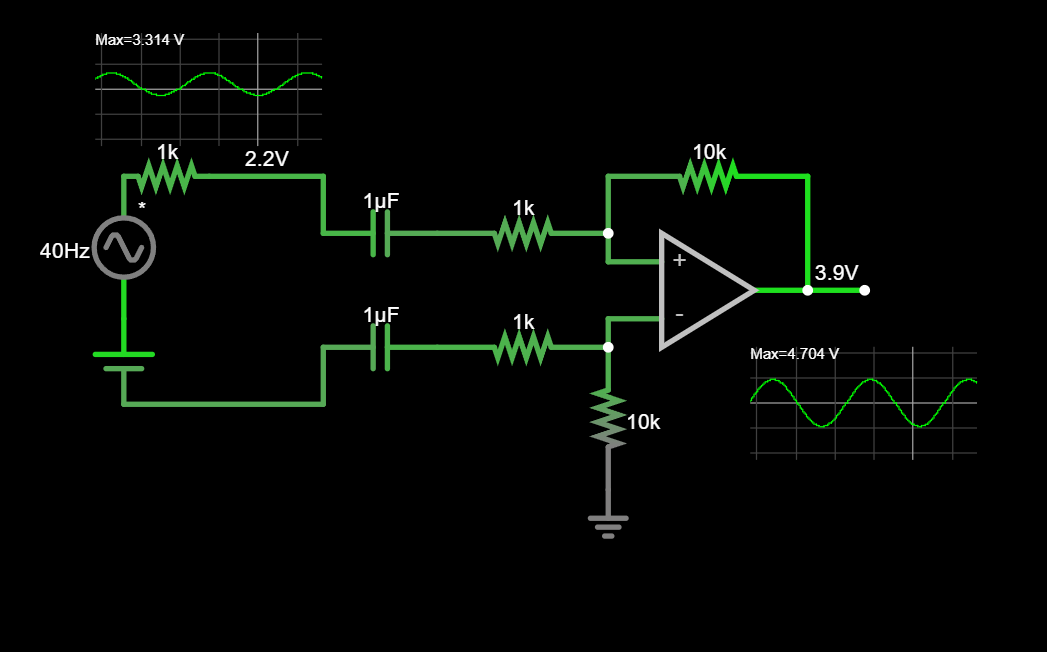
SaM - AC-Coupled Amplifier
Used to remove from the output signal the DC components.
- Singol input amplifier:
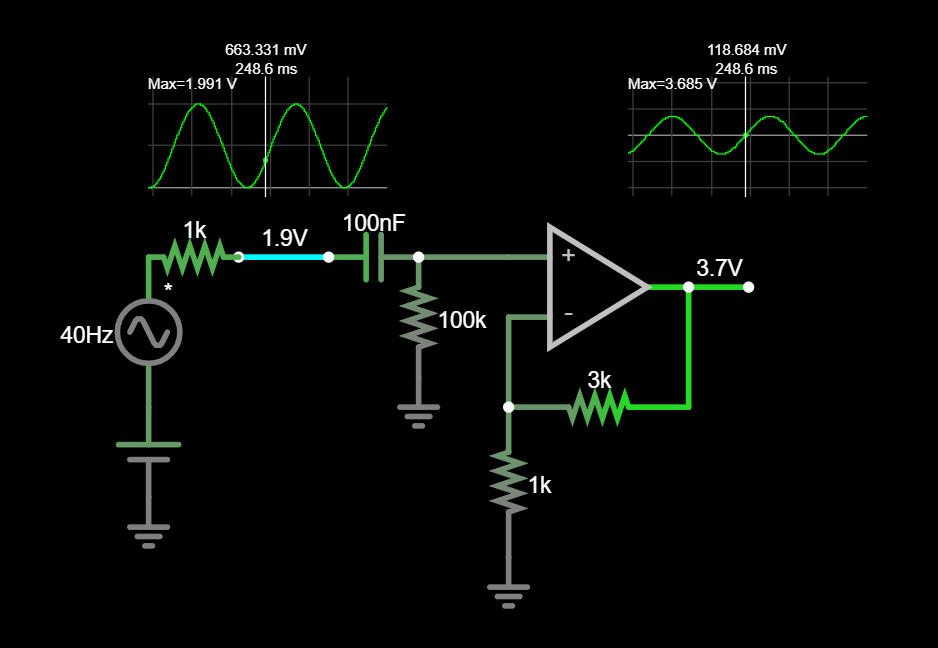
- Differential amplifier:
SaM - Carrier Amplifier
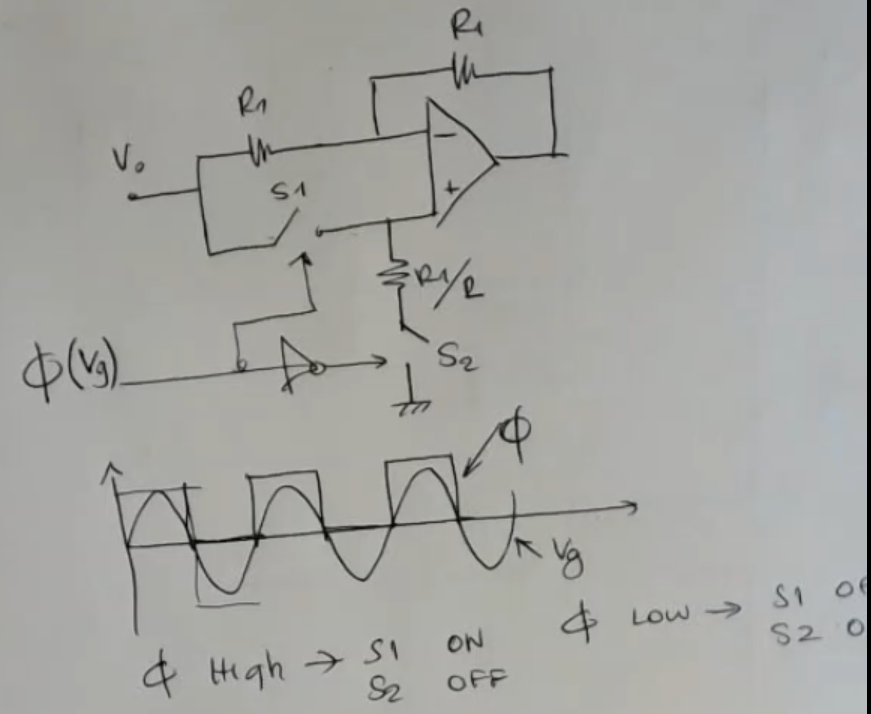
SaM - AM Modulation with 2 Sensors • Carrier Amplifier
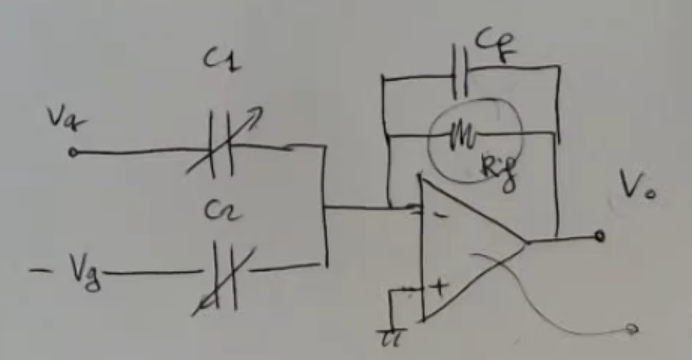
- Sensors:
- Output:Where:
- Output after calculations:Where:
- , also
- Plot:
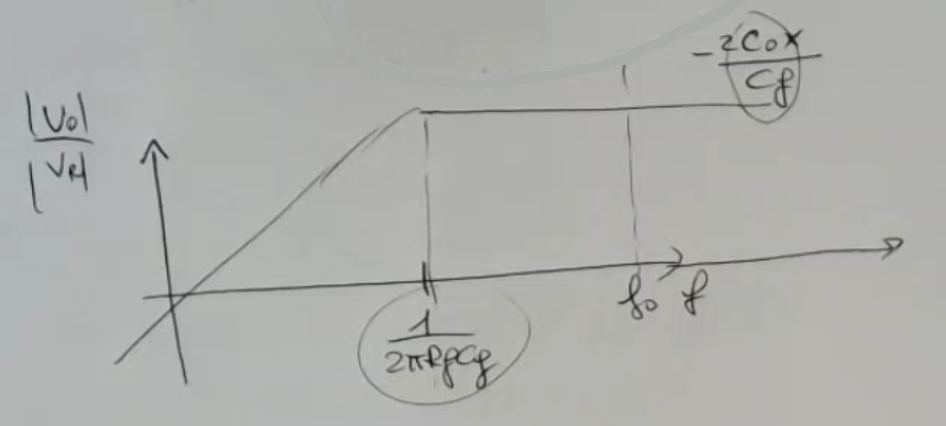
- Simplified output for and :
- Complete circuit with sign reovery:
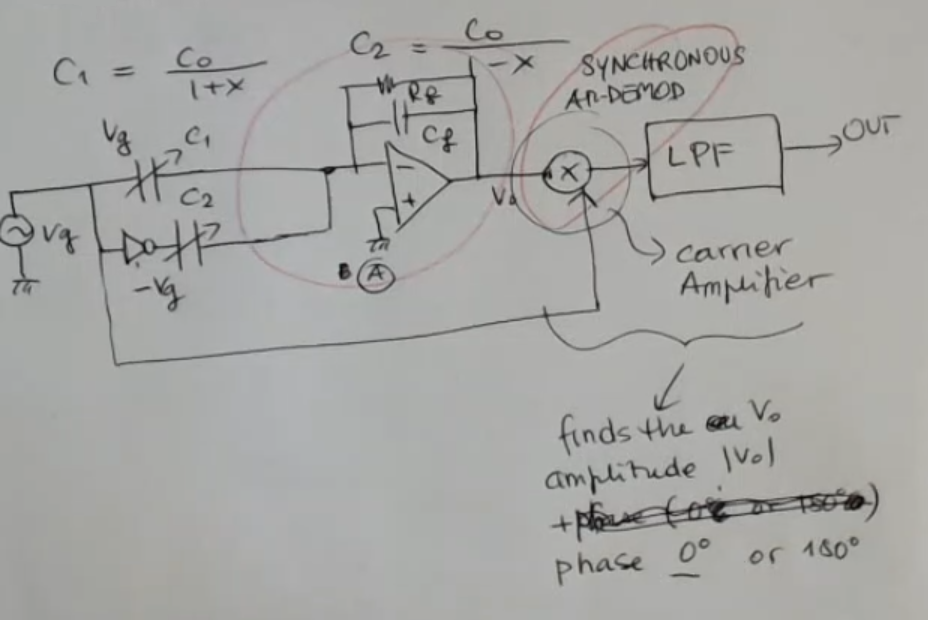
- Terminology:
- : sinusoidal (or alternating) source voltage.
- : capacitive feedback impedance.
- : measured quantity (in this case we can imagine to meaure the proximity, so in ).
- TODO Why , also ??, which capacitive sensor does this ?
SaM - Charge Amplifier
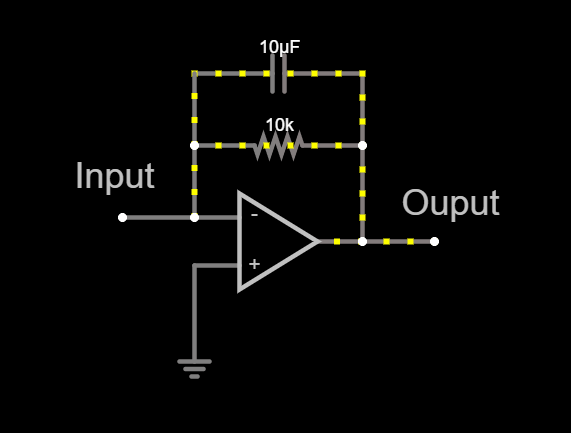
- Formula:
SaM - Logarithmic Amplifier
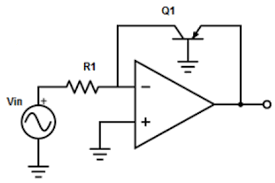
- Formula: Where:
- BJT Formula:
- Terminology:
- : thermal voltage
- : Boltzman’s constant