Remeber:
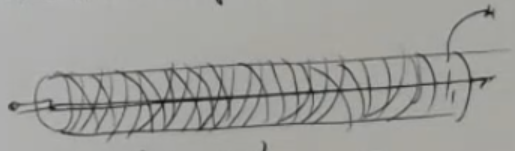
A coaxial cable is used to reduce the electical noise on a wire, this is a simple structure:
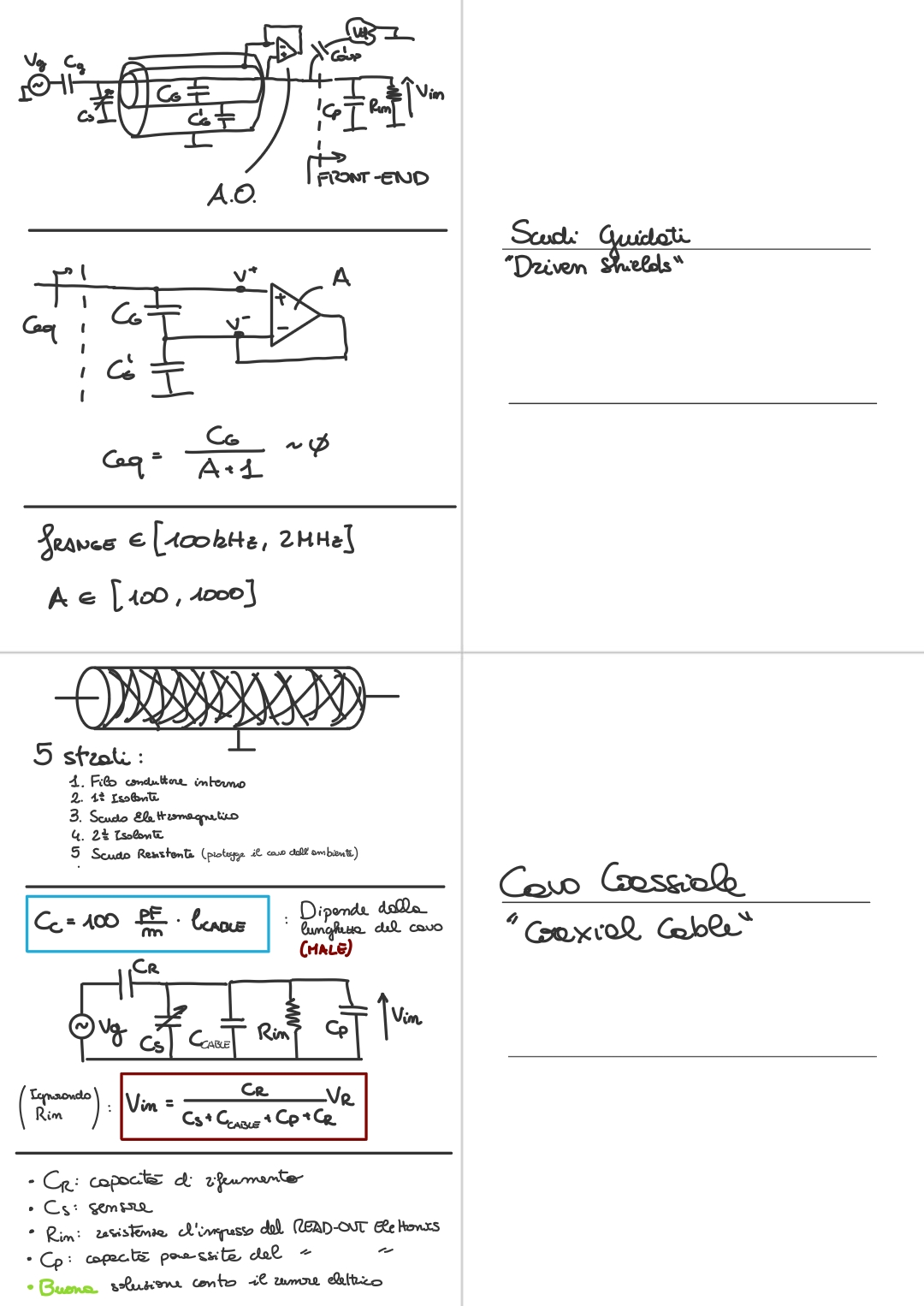
- A coaxial cable, it is essentially made of 5 layers:
- Inner Conductor or Wire.
- 1st Insulation.
- Outer Conductor or Elettromagnetic Shield.
- 2nd Insulation.
- Outer Jacket or Durable Shield (in particular this shield provides mechanical protection and shields the cable from environmental factors like moisture and physical damage).
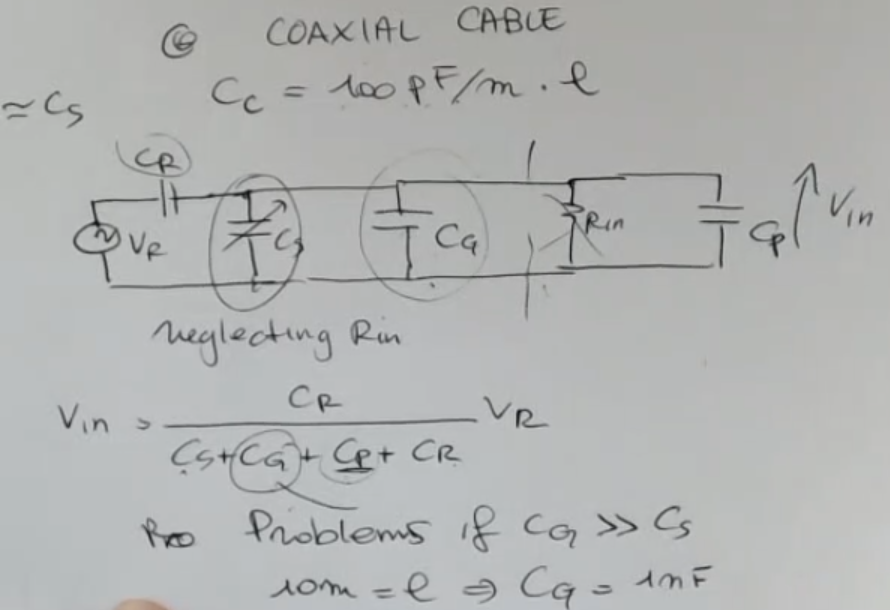
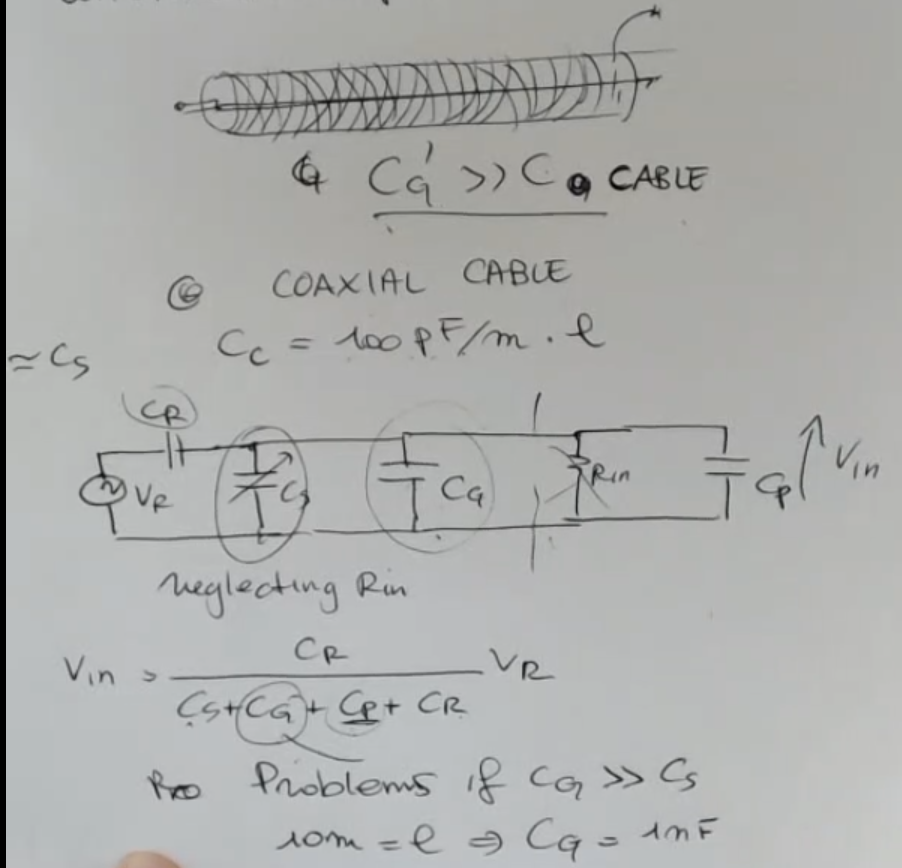
We can model the coaxial cable’s capacitance this way:
- : guard gapacitance, which in this case is the cable capacitance.
- : reference capacitance.
- : sensor.
- : input resistance to front-end electroncis.
- : parasitic capacitance (from the front-end electronics).
- The cable capacitance is fixed, and it doesn’t change, also this capacitance is for sure larger than before, because now I have a small distance between ground and the wire.
- This is a good solution (for electrical noise), but we have still a big problem:
For a coaxial cable, we can imagine to have a value of capacitance , which is multiplied by the length of the cable, so if the the cable is long and is really big, it will “mask” the relativily small value of our sensor (), we will lose a lot of sensitivity.IMPORTANTE- ==So this arrangement here is not good if the sensor’s capacitance is small and if the cable is long==, so if .IMPORTANTE
- To put into prospective, for instance, meters of cable means , we have said that our in in the order of , so ().
⇒ is times larger than the capacitance of the sensor .- The same problem can also occurr if , but we just need to change source in that case.
Memory Card
- Given a wire, we insulate it using an insulating cylinder which surrounds the wire.
And above this, on the outer surface we have a metallic network or metallic shield, which is placed all around, and it’s grounded. - The capacitance is fixed, and it doesn’t change, also this capacitance is for sure larger than before, because now I have a small distance between ground and the wire.
This is a good solution, but we have still a big problem:
For a coaxial cable, we can imagine to have a value of capacitance , which is multiplied by the length of the cable, so if the the cable is long and is really big, it will “mask” the relativily small value of our sensor (), we will lose a lot of sensitivity.
==So this arrangement here is not good if the sensor’s capacitance is small and if the cable is long.
So if ==.
To put into prospective, for instance, meters of cable means , we have said that our in in the order of , so (). ⇒ is times larger than the capacitance of the sensor .
The same problem can also occurr if , but we just need to change source in that case.
A coaxial cable, it is essentially made of 5 layers:
- Inner Conductor or Wire
- 1st Insulation
- Outer Conductor or Elettromagnetic Shield
- 2nd Insulation
- Outer Jacket or Durable Shield (in particular this shield provides mechanical protection and shields the cable from environmental factors like moisture and physical damage)