==A way to visualize friction==
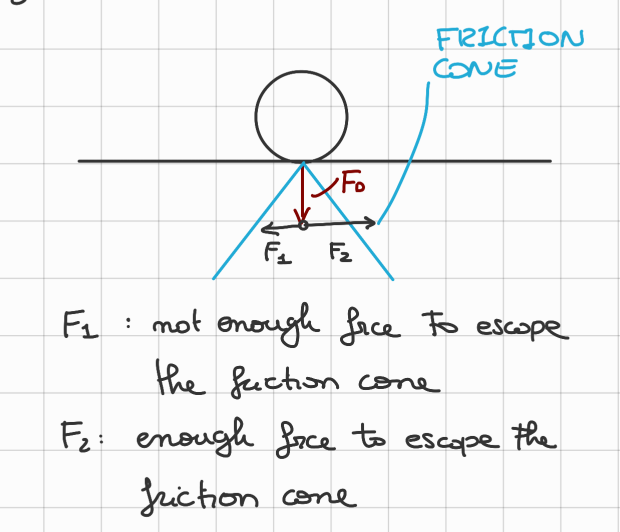
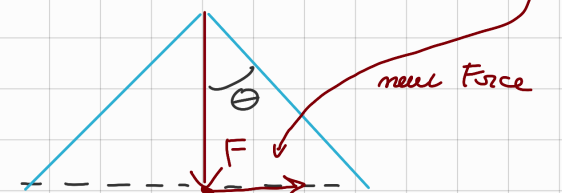
The friction cone depends on the (Force Down-ward) and the friction coefficient.
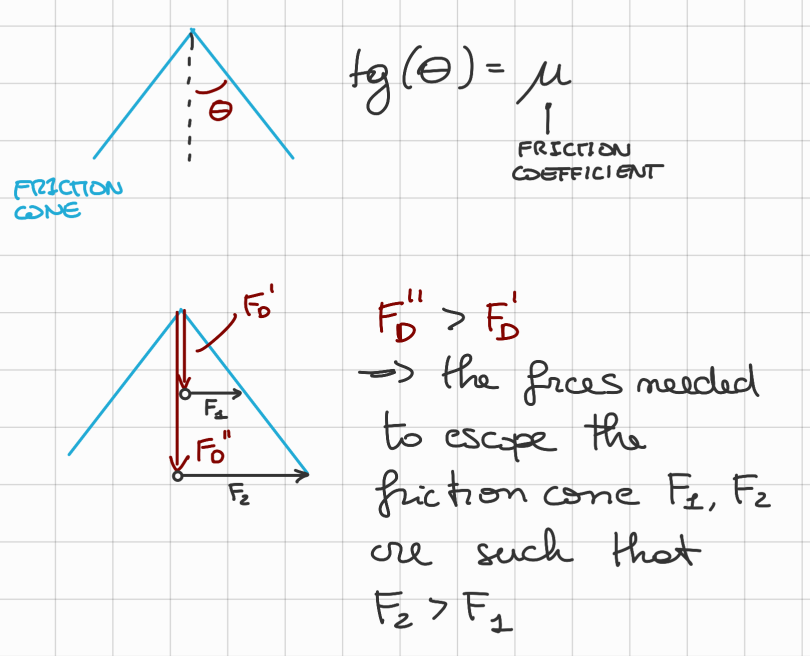
- Friction Cone:
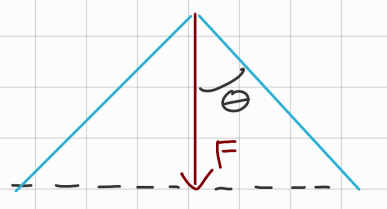
- Where:(The friction coefficent () is specific for each pair of object interaction)
- A force that want to break the friction is applied as shown:
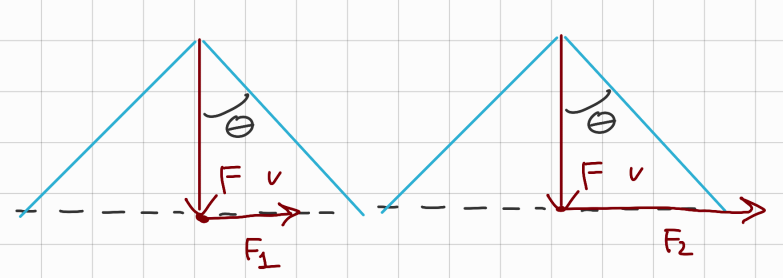
- is too small to break friction (the object doesn’t move).
- is big enough (the object begins to move).
- Graphically is inside the friction cone.
While is outside the friction cone
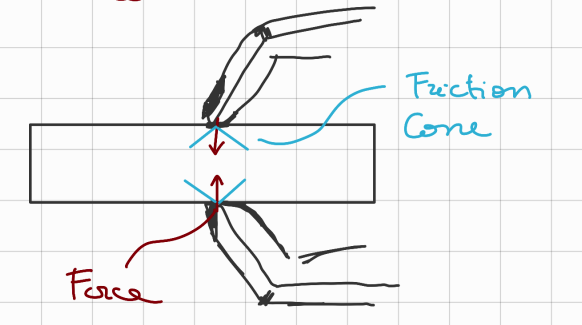
- Knowing where the friction cone is, and how big it is, is extremely crucial, because if i want to apply force to the object without it slipping out (break friction) i need to apply all the forces such that they stay inside the friction cones.
- ~Ex.: Position of the friction cones
- Suppose we have this object:
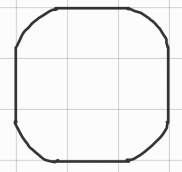
- Let’s see how the position of the friction cones is useful.
I apply to the previous object 3 forces: , resulting in this 3 friction cones: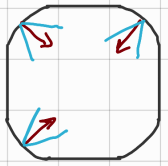
- Take now an opposite force that tries to break friction.
It is clear that where i apply the previous 3 forces changes the intensity of the Force needed to break friction: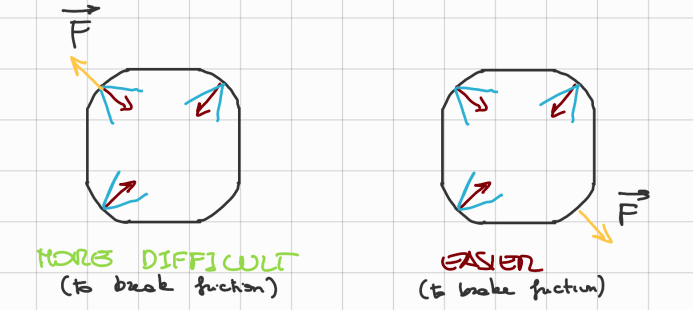
- Suppose we have this object: